

“It’s a Warship With No Captain”: The AIRCAT Bengal MC Can Launch Tomahawks on Its Own - and It Just Changed Naval Warfare Forever
 By
Joseph Mwangi
By
Joseph Mwangi
| IN A NUTSHELL |
|
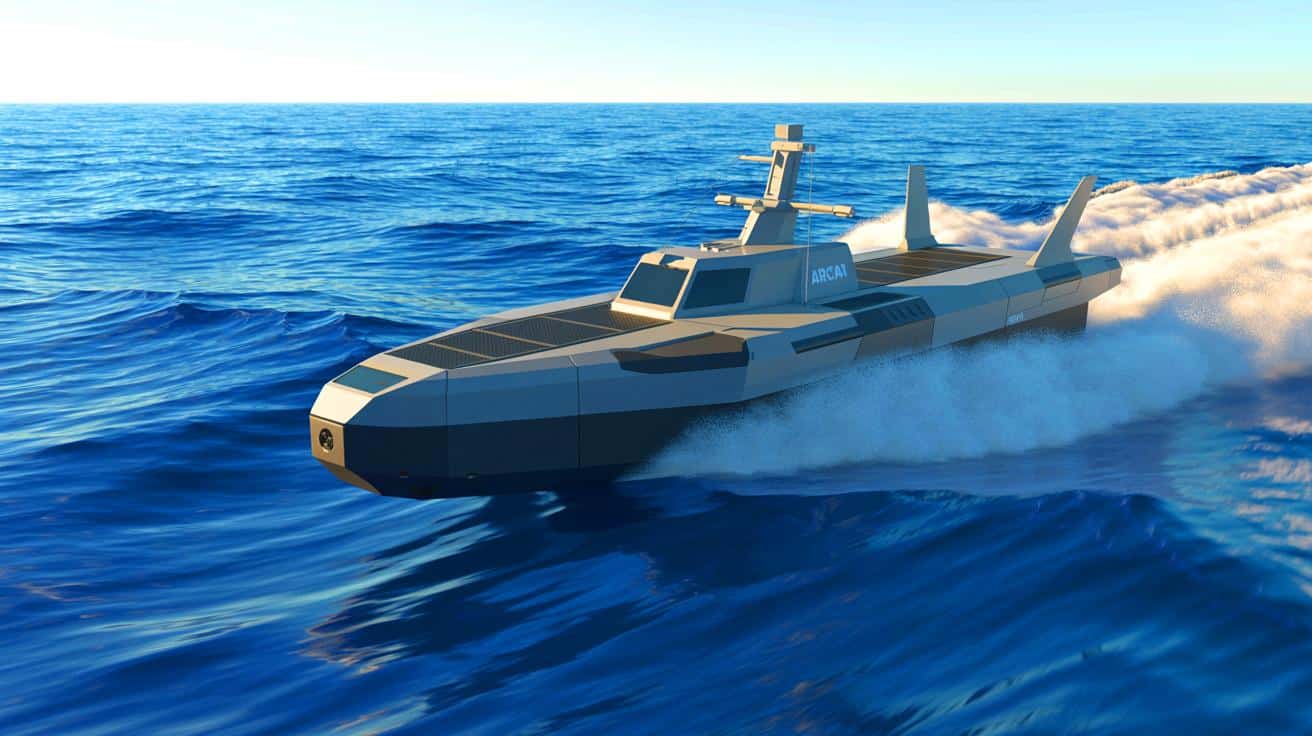
The unveiling of the AIRCAT Bengal MC represents a significant leap forward in naval technology, marking a new era in autonomous warfare capabilities. Developed by Eureka Naval Craft in collaboration with Greenroom Robotics, this vessel is hailed as the world’s most advanced autonomous naval ship. With its sleek design and impressive capabilities, the Bengal MC is poised to revolutionize naval warfare. This state-of-the-art vessel can be operated both autonomously and with a crew, providing unparalleled flexibility and strategic advantage. As geopolitical tensions continue to rise, such technological advancements are becoming increasingly vital for maintaining military superiority on the global stage.
Revolutionizing Naval Warfare with Advanced Capabilities
The AIRCAT Bengal MC is a remarkable feat of engineering, offering capabilities that set it apart from traditional naval vessels. Its ability to carry a substantial payload of 44 tons, including two 40-foot ISO footprint modules, is matched by its impressive speed, exceeding 50 knots. With a range of 1,000 nautical miles, the vessel can reach distant operational theaters without frequent refueling stops. This strategic asset is equipped to launch Tomahawk cruise missiles and Naval Strike Missiles, enhancing its lethality while reducing reliance on larger, more expensive crewed warships.
This vessel is particularly attractive to major naval powers such as the US Navy, the US Marine Corps, and allied nations within AUKUS and NATO. Additionally, countries like Japan, South Korea, Vietnam, and the Philippines may find its capabilities beneficial to their own naval operations. The Bengal MC’s autonomous operations and advanced missile compatibility make it a formidable force in modern naval warfare, offering strategic advantages that are hard to match.
Enhanced Lethality with Missile Launch Capabilities
The Bengal MC’s missile launch capabilities represent a major shift in naval strategy. Traditionally, missions requiring missile deployment necessitated the use of larger vessels, which came with significant costs and logistical challenges. The Bengal MC disrupts this paradigm by offering a smaller, faster, and heavily armed alternative. This innovation reduces costs while increasing operational efficiency, a critical factor in today’s budget-conscious military environments.
Bo Jardine, CEO of Eureka Naval Craft, highlights the importance of such advancements in the current naval landscape. This vessel is not only about speed and firepower; it enhances strategic flexibility and adaptability. The Bengal MC’s ability to carry heavier payloads at high speeds allows for rapid response to threats and opportunities, providing a tactical advantage that is increasingly necessary in complex maritime environments.
Unmatched Efficiency and Versatility
Fuel efficiency and cost-effectiveness are among the Bengal MC’s standout features, making it an appealing option for navies looking to optimize their budgets. The vessel’s modular design allows it to fulfill multiple roles, from troop transport to electronic warfare and mine operations. This versatility ensures that it can be customized to meet specific operational needs, offering a tailored solution to diverse maritime challenges.
The partnership with Greenroom Robotics enhances the vessel’s capabilities by integrating the most advanced autonomous navigation system available. This technology ensures seamless operation across all mission phases, supported by extensive trials that validate its reliability and performance. The Greenroom Advanced Maritime Autonomy Software system represents a significant advancement in naval technology, setting new standards for autonomous operations across the globe.
Expanding the Fleet with Modular Design
The AIRCAT Bengal MC is part of a broader strategy to expand and diversify naval capabilities. Each vessel within the fleet is designed for specific missions, whether it be fast attack, reconnaissance, or high-speed troop transport. The modular design philosophy allows each vessel to be customized to meet the unique demands of its mission, providing the flexibility needed in a rapidly changing naval landscape.
Eureka Naval Craft’s commitment to innovation is evident in its expanding fleet and strategic partnerships. The collaboration with Greenroom Robotics exemplifies a forward-thinking approach to maritime autonomy. As the naval landscape continues to evolve, the Bengal MC represents a bold step forward in military technology, offering strategic advantages that are hard to ignore.
As the AIRCAT Bengal MC sets sail, it raises important questions about the future of naval warfare. How will such autonomous technology reshape global naval strategies, and what challenges and opportunities will arise as a result? The answers will undoubtedly influence the next generation of military innovation and strategic planning.
Continue reading