

Police: 24 vehicles burned in South African anti-migrant unrest
Anti-migrant protests turned violent in Durban and Soweto on 8 October. Police counted at least 24 burned vehicles, and Home Affairs withdrew its asylum order the next day.
 By
Nomvula Dlamini
By
Nomvula Dlamini
Anti-migrant protests turned violent in two South African cities on Thursday, 8 October 2026. Police told the BBC that at least 24 vehicles were set alight in Durban and Soweto, and foreign-owned shops were looted. The next day, the Department of Home Affairs withdrew the order on asylum applications that had helped fuel the anger.
In brief
- Police told the BBC that at least 24 vehicles were set alight in Durban and Soweto, and foreign-owned shops were looted.
- The unrest follows a Constitutional Court judgment in July.
- With municipal elections due on 4 November, grievances over illegal immigration have intensified, and unemployment above 30 percent is another key issue, RFI notes.
Durban: an alleged assault and a refugee centre
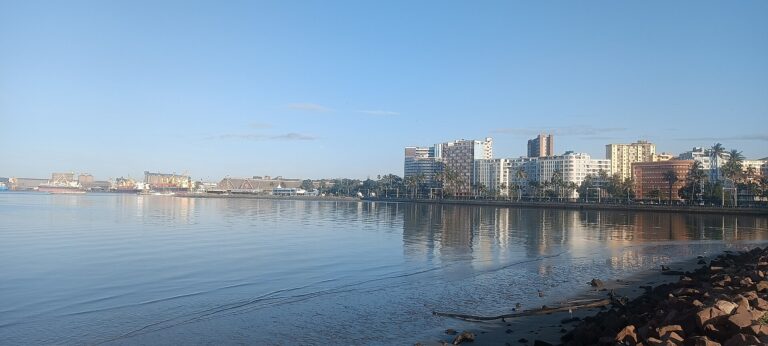
In Durban, on the east coast, the trouble followed allegations that a foreign national had assaulted a protester. Police said three foreign nationals were arrested in connection with that alleged assault. A crowd had assembled in front of a state-run reception centre for refugees and called for it to stop taking in asylum claims. Officers used rubber bullets to break up the gathering, and businesses in the city centre closed.
Senior local police officer Xolani Fihla told state broadcaster SABC that foreigners and South Africans had clashed, adding that nobody was known to be hurt at that stage.
According to RFI, a municipal building was set on fire. A report by Kiprinform, which relays Reuters, adds that a guest house and a warehouse were partly burned.
Soweto: calls to close shops run by foreigners
In Orlando West, part of the Soweto township outside Johannesburg, residents first gathered to demand the closure of spaza shops, the small convenience stores often run by foreign nationals. Protesters pushed foreign traders out of some areas, shops were attacked and gunshots were reported, according to the BBC.
A Reuters reporter saw residents hauling groceries from a shop which, they said, was owned by a Somali national they had driven off. When police turned up, the looters ran off and were scattered. Police said extra officers were deployed in both cities, and acting national police commissioner Lieutenant General Puleng Dimpane condemned the destruction of property.

The court ruling behind the tension
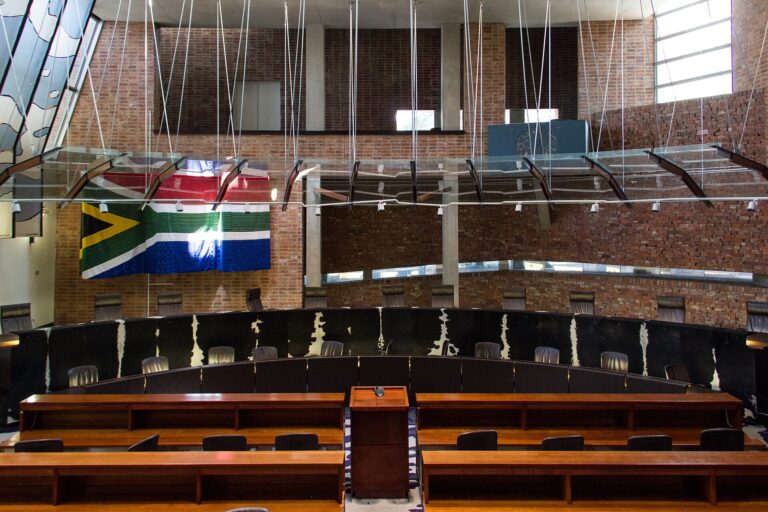
The unrest follows a Constitutional Court judgment in July. The court struck down rules that stopped some people from seeking asylum, either because of how they entered the country or because they missed deadlines. Hundreds of people then went to refugee reception centres. Anti-immigration campaigners were angered, fearing that the decision would encourage undocumented migration. RFI adds that the crowds reportedly included people who do not qualify for asylum on grounds of persecution or danger.
Government spokesman William Baloyi said people had deliberately spread false claims about the ruling. The judgment, he said, does not automatically give anyone refugee status or the right to stay permanently.
Home Affairs withdraws its order
On Friday, 9 October, Home Affairs said it had withdrawn the order on how asylum applications are handled. The department said its offices were swamped within days and that the situation had begun to endanger public order and safety. It announced that it would begin a fresh process. According to the BBC, the new approach will still respect the Constitutional Court ruling, but no details have been given.
A backdrop of earlier violence and an election
Xenophobic attacks have recurred in South Africa for almost twenty years. The 2008 wave left over 60 dead and forced tens of thousands from their homes. Earlier this year, anti-immigration groups held weeks of protests demanding that undocumented foreign nationals leave by 30 June. Tens of thousands of Africans fled the country. Police recorded at least four foreign nationals killed, though some African governments put the toll higher.
With municipal elections due on 4 November, grievances over illegal immigration have intensified, and unemployment above 30 percent is another key issue, RFI notes.
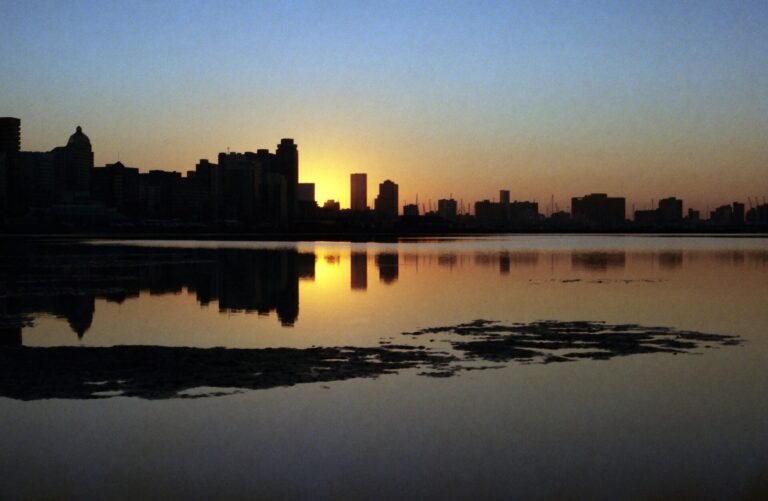
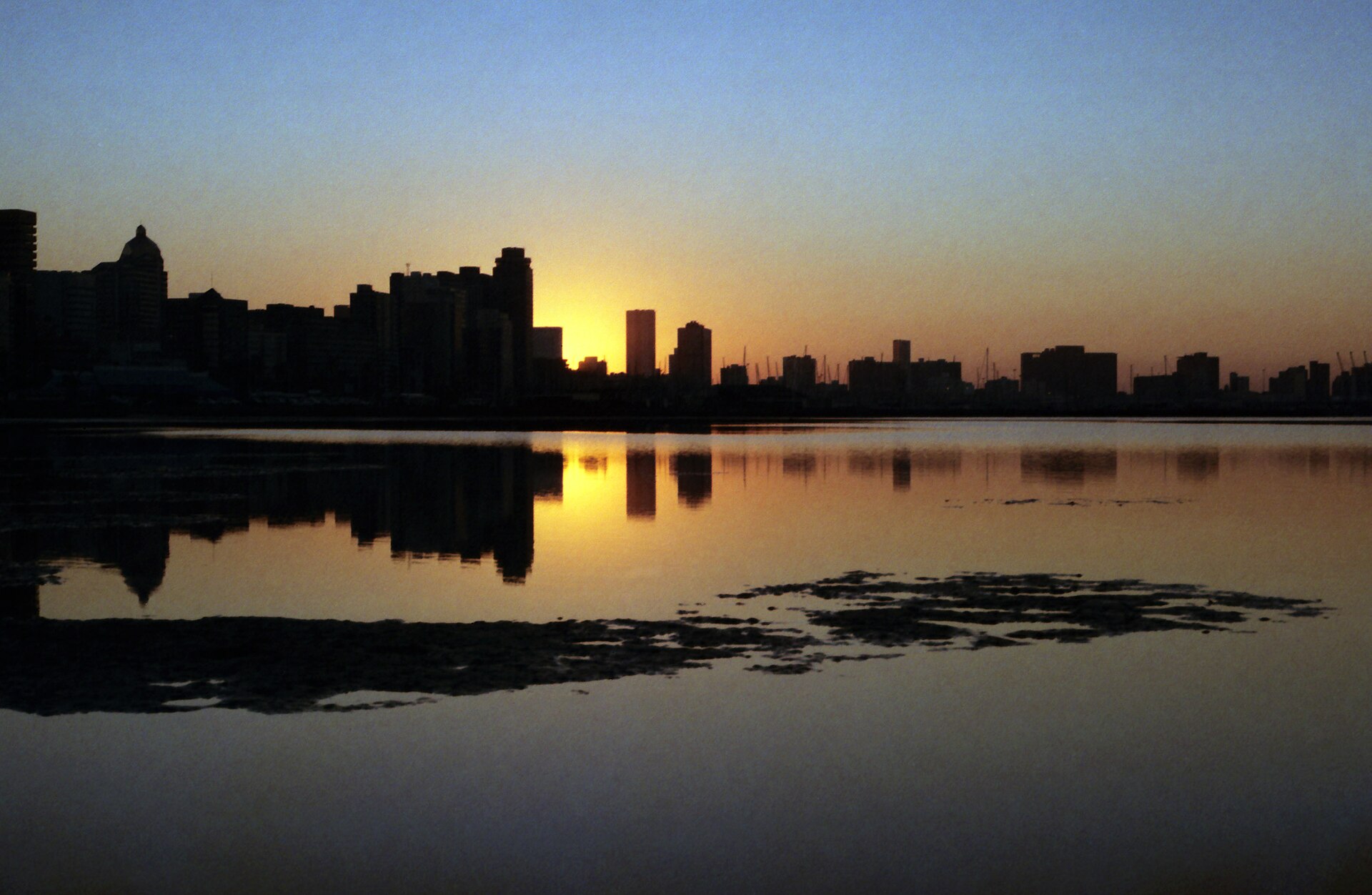
Featured image. Source: Wikimedia Commons, Durban_Dawn_(3752546221).jpg. Credit: Chris Bloom from Durban, South Africa. License: CC BY-SA 2.0.