

Soweto and Durban hit by anti-migrant violence after ruling
Police counted 24 burnt vehicles and looted foreign-run shops, while Home Affairs withdrew its asylum processing order a day after the unrest.
 By
Nomvula Dlamini
By
Nomvula Dlamini
Anti-migrant protests in Soweto and Durban turned violent on Thursday 8 October 2026, leaving at least 24 vehicles burnt and foreign-owned shops looted, according to police.
In brief
- The breakdown came from acting national police commissioner Lieutenant General Puleng Dimpane, who spoke after visiting Soweto.
- Anti-immigration campaigners, who fear the decision will encourage undocumented migration, grew angrier.
- South Africa remains one of the continent’s main destinations for people seeking work and safety.
A night of fires in two cities
The breakdown came from acting national police commissioner Lieutenant General Puleng Dimpane, who spoke after visiting Soweto. Daily Maverick reported that she warned both citizens and foreign nationals that lawlessness would not be tolerated.
“The right to raise concerns and to protest does not give anyone the right to commit crime.”
Lieutenant General Puleng Dimpane, acting national police commissioner
In Orlando West, a neighbourhood of Soweto, residents first marched to the Home Affairs offices. Some then went looking for foreign-owned shops to shut. Three had been closed when trouble began, and gunshots were reported during confrontations between residents and foreign shopkeepers. Witnesses told the outlet that some rioters took methylated spirits from a spaza shop and used it to ignite cars. Police said those arrested in Soweto would face charges of malicious damage to property and arson, and the South African National Defence Force was deployed there on 8 October.
Durban’s unrest followed allegations that a foreign national had assaulted a protester. Three foreign nationals were arrested, police fired rubber bullets, and a municipal building caught fire. Demonstrators had assembled in front of a government refugee reception centre to demand an end to its intake of asylum applications. Businesses in the city centre shut their doors. A senior local police officer, Xolani Fihla, told the state broadcaster SABC that there had been clashes between foreign nationals and South Africans, adding that no injuries had been reported at that point, as BBC News reported.
How a court ruling set off the protests
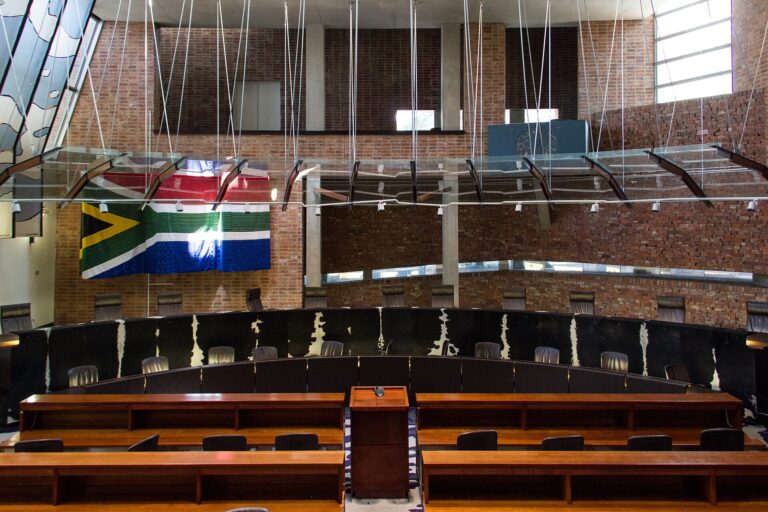
The immediate trigger was a July judgment by the Constitutional Court. It struck down restrictions that kept some people from seeking asylum because of how they had entered the country or because they had missed immigration deadlines. Asylum seekers must therefore be allowed to submit applications even if they arrived without the required documents.
Hundreds of people gathered at refugee reception centres, and long queues formed outside immigration centres. Anti-immigration campaigners, who fear the decision will encourage undocumented migration, grew angrier. That fear is theirs, not an established outcome of the ruling.
Government spokesman William Baloyi told Reuters that people had deliberately spread false claims, creating the impression that undocumented migrants would automatically receive legal status. He said the judgment does not hand out refugee status or permanent residence. Applications are assessed individually, and applicants remain subject to immigration checks.
On Friday, Home Affairs said it had withdrawn its order on processing asylum applications and would start a fresh process. Officials explained that the volume of applicants had swamped their offices in a matter of days, and they pointed to risks for public order. The government said the new policy would still respect the court ruling, but it gave no details.
What the closures mean for a neighbourhood
In Orlando West, the loss of foreign-run shops is felt in everyday routines. A woman raising her children on her own, who did not want to be named, told Daily Maverick that these shops are a lifeline for children’s bread and lunch items. With the shops closed, she said, she would have to travel to another area the next morning.
Opinions among residents were sharply divided. Some blamed shop owners for the violence, while community leader Tshepo Mposule said stones and gunfire from shop owners provoked the retaliation. Police have not confirmed those accounts or the arrests he cited, so they remain unverified.
Earlier unrest and the road to the elections
- Xenophobic attacks kill more than 60 people and displace tens of thousands, according to the BBC.
- Anti-immigration groups had demanded that undocumented foreigners leave by this date. Weeks of protests forced tens of thousands of migrants to flee, mostly to Zimbabwe and Malawi, and police said at least four foreign nationals died.
- The Constitutional Court strikes down the asylum restrictions.
- Violence erupts in Soweto and Durban.
- Local government elections are scheduled.
After the earlier protests, some governments repatriated their citizens, which strained ties with Pretoria. Nationals of Ghana, Kenya, Lesotho, Mozambique, Nigeria and Uganda were among those who left. Government reiterated measures announced in June: stronger border control, a crackdown on human smuggling and faster deportations of people who do not qualify to stay.
Complaints about illegal immigration have grown ahead of the 4 November elections, with unemployment above 30%. Migrants are often accused of taking jobs, contributing to crime and straining public services, though researchers say such sweeping claims are not supported by evidence. South Africa remains one of the continent’s main destinations for people seeking work and safety.
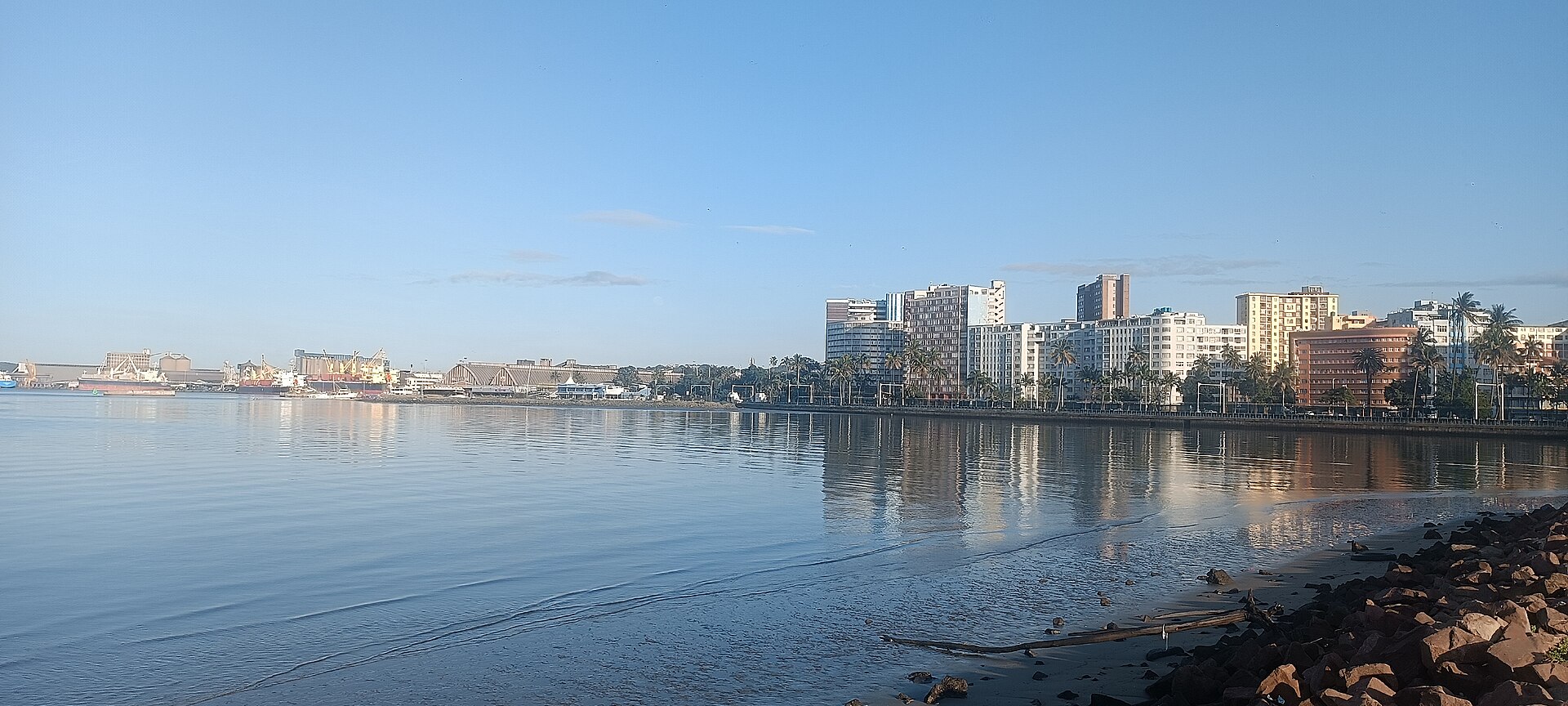
Featured image. Source: Wikimedia Commons. Credit: RishHans. License: CC0.