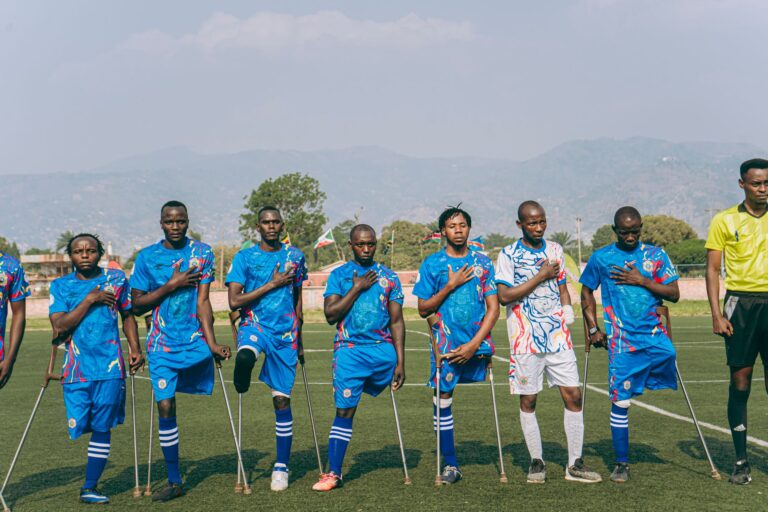



In Arusha, the East African Community’s own headquarters has no ramps for wheelchair users
A motion in Arusha asks the Council of Ministers to act after legislators said even the EAC’s own headquarters has no ramps for wheelchair users.
 By
Nomvula Dlamini
In brief
- The East African Legislative Assembly heard that most public buildings in the region lack facilities for people with disabilities.
- A motion moved by Rwandan legislator Alex Bahati urges the Council of Ministers to act.
- Legislators agreed unanimously to refer the matter to the ministers for rapid implementation.
- No regional census has counted persons with disabilities in the eight EAC member states.
The man who moved the motion needed his daughter’s help to attend the sessions. Alex Bahati, a Rwandan legislator with a physical disability, used that experience to press a point his colleagues in Arusha then endorsed: the institutions of the East African Community are not built for people like him.
A parliament that cannot be entered unaided
The regional parliament in Arusha was told that most public buildings and institutions in East Africa lack facilities for people with disabilities, The Tanzania Times reported. Members of the East African Legislative Assembly (EALA) said people with physical disabilities have been forgotten in public infrastructure, beginning with transport and service premises.
The criticism reached the community’s own doorstep. Bahati pointed out that the East African Community Headquarters in Arusha has no special ramps to let physically challenged people move around without help. Mary Mugwenyi, a legislator from Uganda, said she was surprised that the EAC premises, including the Legislative Assembly itself, lacked facilities for physically challenged people, parliamentarians among them.
Bahati did not confine the problem to Arusha. “And this is the case in all major cities of Kenya, Tanzania, Uganda, Rwanda, DR Congo and the other three EAC member states of Burundi, Somalia and South Sudan,” said Bahati, a legislator from Rwanda in the East African Legislative Assembly. That is his assessment, not the result of a survey.
On the road and at the border
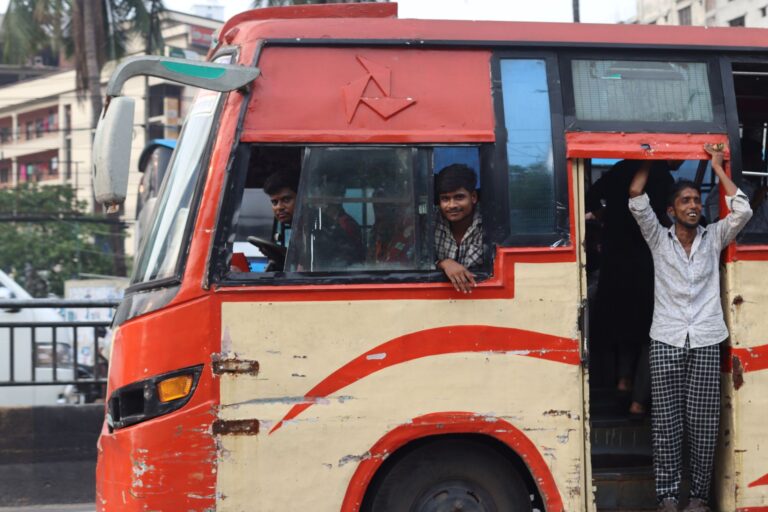
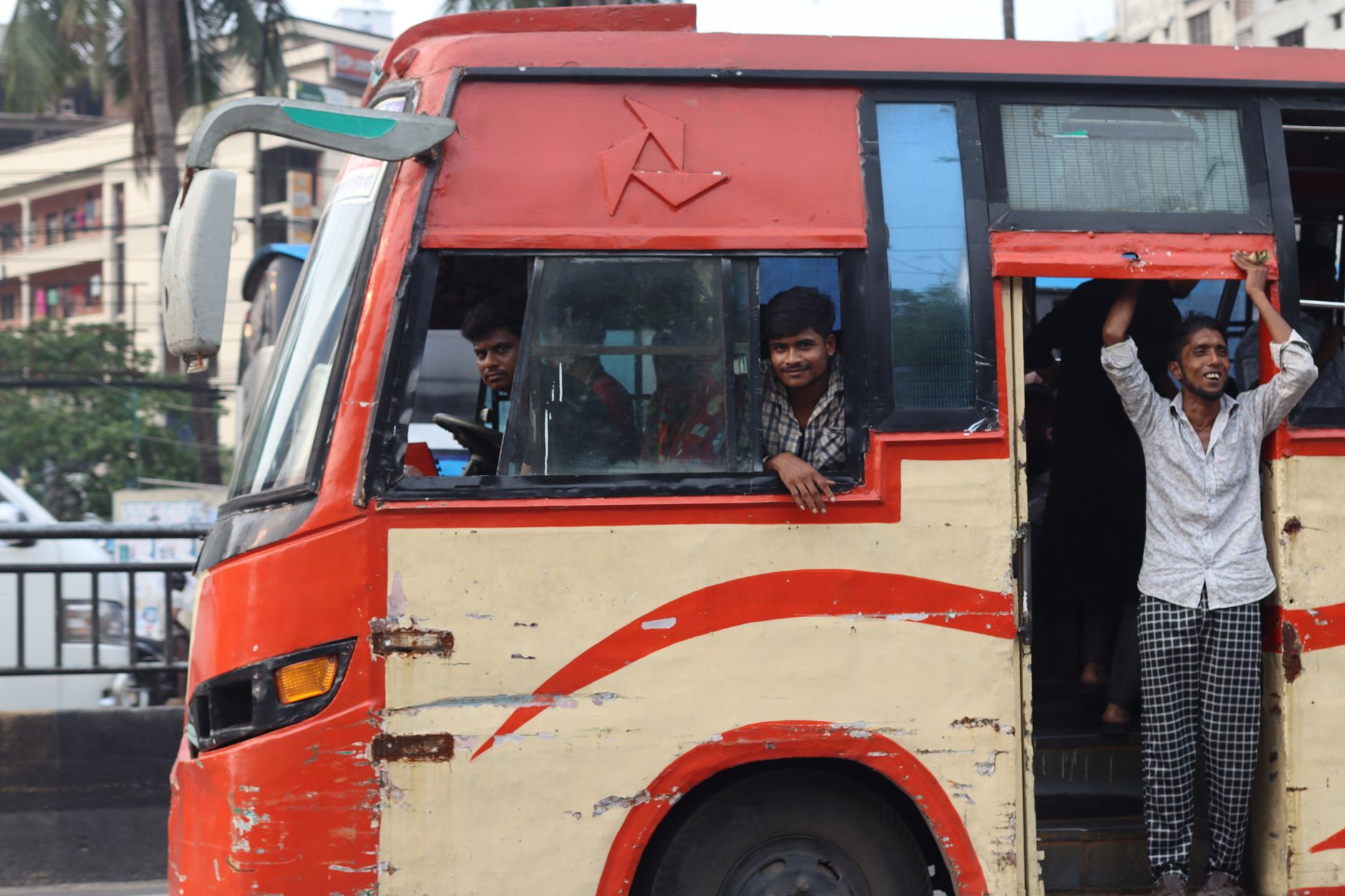
The exclusion continues once people leave the building. In busy cities such as Dar es Salaam, Kampala and Nairobi, public commuters ride in privately owned vehicles with a raised centre of gravity and entrance doors that shut out physically challenged passengers. The same applies, according to the report, to long-distance upcountry buses, trains and even planes.
Border crossings were raised too. Fatma Ndangiza, another Rwandan legislator, seconded the motion and said ports of entry, including One-Stop border posts, have not considered people who cannot see, hear or speak, or who have physical disabilities.
The scale is unknown. The East African Community has yet to carry out an official regional census to establish how many people in its eight member states live with a disability.
What the motion asks, and what the members decided
The motion urges the Council of Ministers and the Partner States to take three kinds of step:
- adopt and implement measures that promote the rights of persons with disabilities;
- provide reasonable accommodation across the East African Community;
- adjust every building serving EAC organs so that it accommodates people with disabilities, including those with hearing or visual impairment.
The legislators agreed unanimously to put the matter before the East African Council of Ministers for rapid implementation. The decision to refer it is the only step reported so far.
The legal commitments behind the motion
The text leans on obligations the states have already accepted.
| Instrument | Provision cited |
|---|---|
| UN Convention on the Rights of Persons with Disabilities | Article 27 requires recognition of the right of persons with disabilities to work on an equal basis with others |
| EAC Treaty | Article 120(c) commits Partner States to a common approach towards disadvantaged and marginalised groups, including persons with disabilities |
| EAC Common Market Protocol | Article 39(2)(d) commits Partner States to harmonise laws, policies and programmes on the rights of marginalised and vulnerable groups |
Photo: Saad Bin Hasan / Pexels
Continue reading