



The plague never went away: where cases still occur
Plague still appears in Africa and the US each year. How the disease spreads, its three forms, and why antibiotics work if given early.
 By
Nomvula Dlamini
By
Nomvula Dlamini
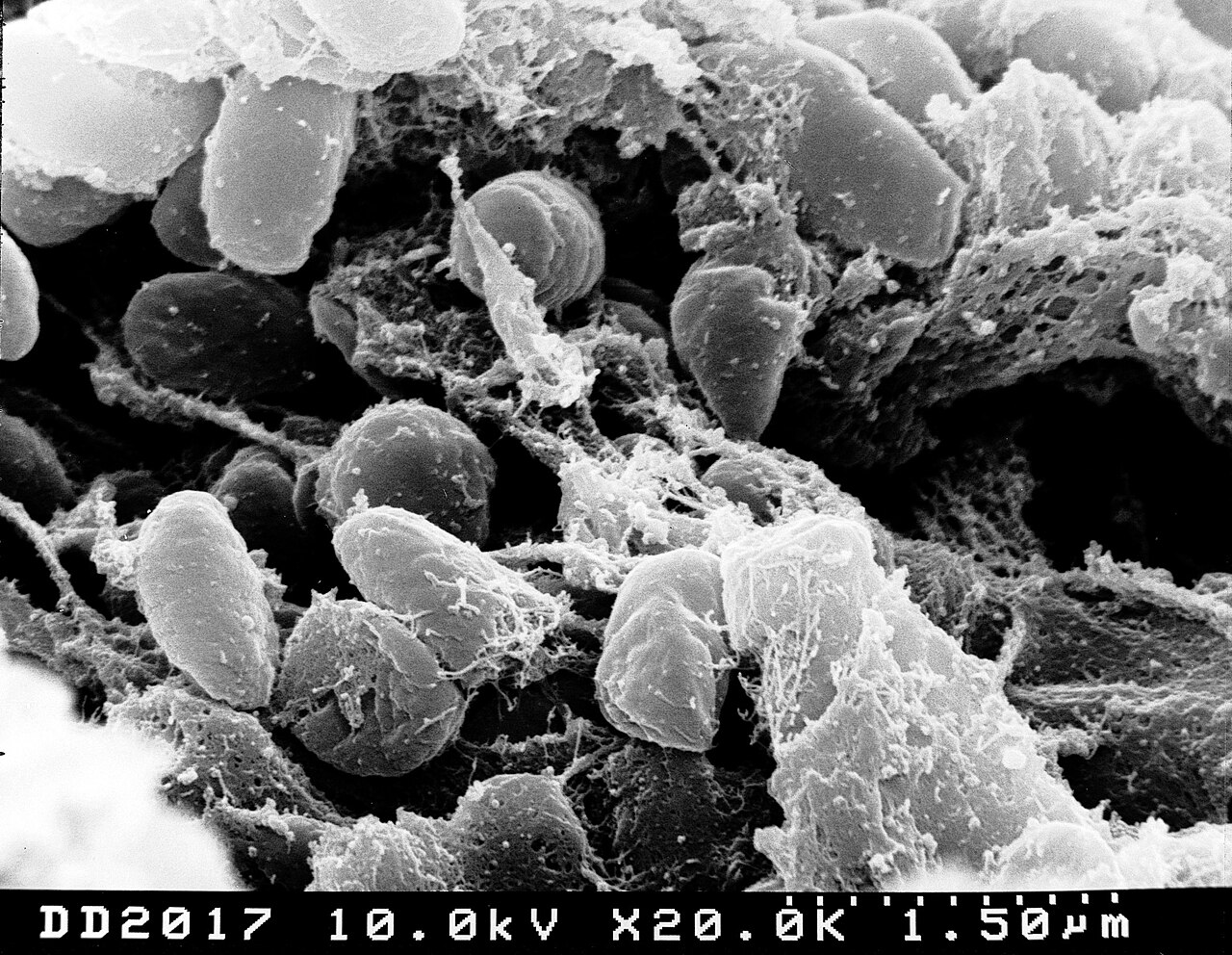
The bacterial disease that killed tens of millions of people in 14th-century Europe never disappeared, and today it can be cured when antibiotics are given early, as PBS notes in an Associated Press explainer.
In brief
- According to the World Health Organization, Africa has recorded most human plague cases since the 1990s, and Congo and Madagascar are the countries it singles out.
- It circulates naturally among rodents such as prairie dogs and rats.
- Evidence that vaccines work against the pneumonic form is not strong, and no plague vaccine is available in the U.S.
A present-day disease with Africa at its centre
According to the World Health Organization, Africa has recorded most human plague cases since the 1990s, and Congo and Madagascar are the countries it singles out. The United States sees far fewer, but not none: US health agency CDC counts roughly seven human cases a year on average, largely in the rural American West.
The renewed attention comes from Siberia, where a staff member of a plague research institute recently died of pneumonia. Unconfirmed media reports suggested pneumonic plague as the cause, which raised alarm in Russia. Russian authorities say their testing found no sign of plague, although the institute has been placed in quarantine, according to the AP report carried by ABC News.
The region has a long record with the disease. The oldest evidence of a form of plague comes from the teeth of ancient hunter-gatherers who lived north of Lake Baikal, and Siberians have been dying of it for at least 5,500 years.
Simon Clarke, a University of Reading scientist in the U.K., said many people wrongly think the disease belongs to the past: “People think the plague is gone, it was something that occurred 500 years ago. It’s not. It’s here amongst us.” He also pointed to the reason it persists: “Unless you get rid of those wild animals, which of course is not possible, then you’re not going to get rid of the bacteria.”
One bacterium, three forms
The bubonic plague, the best known form and also called the Black Death, and the pneumonic plague have the same cause, a bacterium named Yersinia pestis. It circulates naturally among rodents such as prairie dogs and rats. When a flea leaves an infected animal and bites a person, the disease can be passed on. The three forms differ by the part of the body they attack and by how they reach new patients.
| Form | What it affects | How it spreads or develops |
|---|---|---|
| Bubonic | Lymph nodes, with painful swellings called buboes in the groin, armpit and neck | The most common form; passed on by infected fleas or contact with infected bodily fluids; untreated, it often turns into the other two forms |
| Pneumonic | Lungs | Can result from inhaling the bacteria; also passes through respiratory droplets from a person with this form |
| Septicemic | Bloodstream | An infection of the blood; like the pneumonic form, deadly without early treatment, the WHO says |
The Cleveland Clinic adds that bubonic plague also brings a sudden high fever, chills and headaches, along with abdominal pain and aching legs and arms. If it is left untreated, it will often develop into the pneumonic and septicemic forms.
Exposure, treatment and the limits of vaccination
A flea bite is not the only way to catch plague. Touching infected bodily fluids can also pass it on, which is why health experts recommend extra care when handling animals that are sick or dead.
Spread through the air requires someone who already has pneumonic plague, because respiratory droplets from that person can carry the bacteria. Dr. Glenn Wortmann of MedStar Washington Hospital Center put the risk in perspective: “If you cough, you can spread it to another person, but that doesn’t travel very far.” He continued: “So you really need to be in face-to-face contact with that person to get pneumonic plague.” For that reason, he said, a wide spread through Russia that then reached the U.S. will not happen.
Plague was never eradicated, but prevention and treatment in humans have improved. Antibiotics cure it when they are started early, so reaching a doctor fast is the decisive step: without prompt treatment, the infection can kill.
Featured image. Source: Wikimedia Commons. Credit: NIAID. License: Public domain.