


This Animal’s Tongue Shatters Weight Record, Revealing Shocking Truth About Elephants You Won’t Believe!
 By
Nomvula Dlamini
By
Nomvula Dlamini
| IN A NUTSHELL |
|
In the vast realm of the animal kingdom, both terrestrial and marine giants capture the imagination with their sheer size and presence. Among these behemoths, the African elephant and the blue whale stand out as epitomes of nature’s grandeur. While the elephant dominates the land with its majestic stature, the blue whale rules the oceans, reaching dimensions that boggle the mind. Intriguingly, the tongue of a blue whale alone matches the weight of an African elephant, illustrating the extraordinary scale at which these creatures exist. This comparison not only highlights their physical enormity but also underscores the delicate balance of ecosystems that sustain such magnificent life forms.
The African Elephant: A Terrestrial Giant
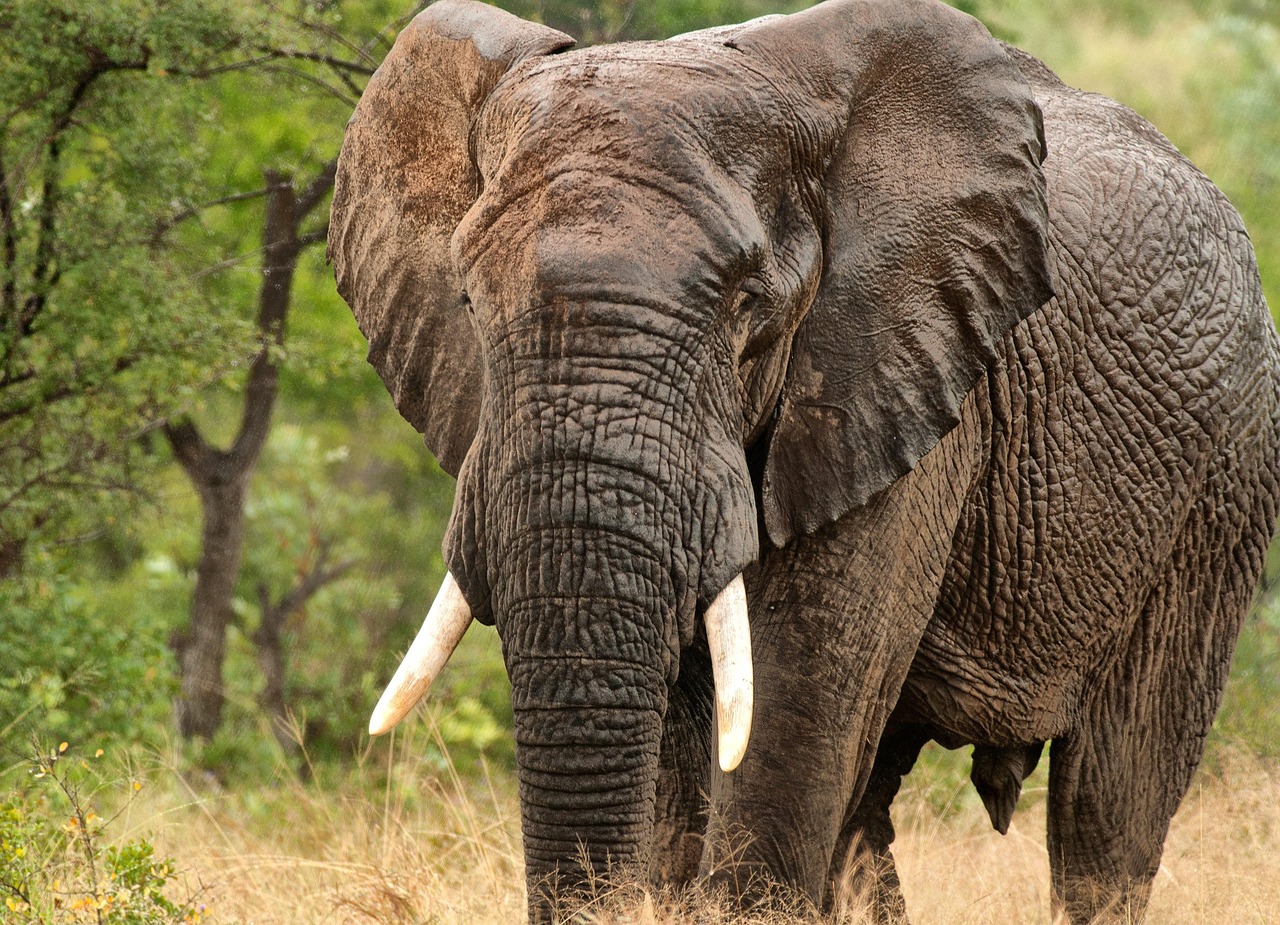
The African elephant, known scientifically as Loxodonta africana, is an icon of the continent’s wildlife. It is the largest land mammal, with males reaching heights of up to 13 feet at the shoulder and weighing as much as 13,000 pounds. Females, while smaller, still command a weight between 6,000 and 7,700 pounds. These elephants inhabit diverse habitats across sub-Saharan Africa, including savannas, forests, and wetlands.
Their physical features are as distinctive as their size. African elephants are known for their large ears, which help regulate their body temperature, and their thick, wrinkled skin, which serves as protection against the harsh elements. Despite their bulk, elephants are remarkably intelligent and social animals, living in complex matriarchal family groups led by experienced females.
However, the African elephant faces numerous threats, including poaching for ivory and habitat loss due to human encroachment. Conservation efforts are critical to ensuring the survival of these majestic creatures, whose presence is vital for the health of their ecosystems.
The Blue Whale: Oceanic Leviathan
The blue whale, or Balaenoptera musculus, is the largest animal ever known to have existed. These marine mammals can grow to lengths of about 90 feet and weigh as much as 330,000 pounds. Their sheer size is matched by their dietary needs, as they consume up to four tons of krill daily during feeding seasons.
Despite their massive size, blue whales are gentle giants, gliding through the oceans with grace. They communicate using deep, resonant calls that can travel long distances underwater. Like the African elephant, blue whales have faced significant threats from human activities. Whaling in the early 20th century brought them to the brink of extinction, but international protection efforts have helped their numbers slowly recover.
Today, blue whales remain a symbol of the ocean’s vastness and the delicate balance required to sustain such extraordinary life forms. Their survival is intertwined with the health of marine ecosystems, making their conservation a global priority.
Astonishing Comparisons: The Tongue of a Blue Whale
An intriguing fact about the blue whale is that its tongue alone can weigh as much as an African elephant, approximately 6,000 pounds. This singular comparison offers a unique perspective on the scale of the blue whale’s anatomy. The whale’s heart, which weighs about 400 pounds, and its liver, tipping the scales at nearly 2,200 pounds, further emphasize its colossal nature.
These comparisons are not just fascinating trivia; they highlight the incredible adaptations required for such large animals to thrive. The blue whale’s immense size necessitates efficient feeding mechanisms and robust organs to support its vast body. In contrast, the African elephant’s size enables it to traverse long distances in search of food and water, showcasing the adaptability of life in diverse environments.
Understanding these giants of land and sea provides insight into the ecological roles they play and the challenges they face in a rapidly changing world.
Conservation Efforts and Future Challenges
Both the African elephant and the blue whale are emblematic of conservation challenges and successes. Efforts to protect these species have included international treaties, habitat preservation, and anti-poaching initiatives. These measures are crucial for mitigating the threats posed by human activities and climate change.
However, the road to recovery is fraught with challenges. Human-wildlife conflict, illegal hunting, and environmental degradation continue to threaten elephant populations. Meanwhile, blue whales face dangers from ship strikes, entanglement in fishing gear, and the impacts of ocean noise pollution.
Collaborative global efforts are essential to address these threats and ensure the survival of these iconic species. The protection of elephants and blue whales is not just about preserving individual species but also about maintaining the biodiversity and health of the ecosystems they inhabit.
As we marvel at the wonders of the African elephant and the blue whale, we are reminded of the intricate connections between all living things. These majestic creatures offer a glimpse into the vastness of nature and the beauty of life in its myriad forms. Their survival depends on our collective efforts to safeguard the planet. What steps will humanity take to ensure these giants continue to roam the Earth and swim the seas for generations to come?