


“China Built a Dam So Massive It Slows the Earth”: NASA Says the Three Gorges Project Has Literally Changed the Length of a Day
 By
Nomvula Dlamini
By
Nomvula Dlamini
| IN A NUTSHELL |
|
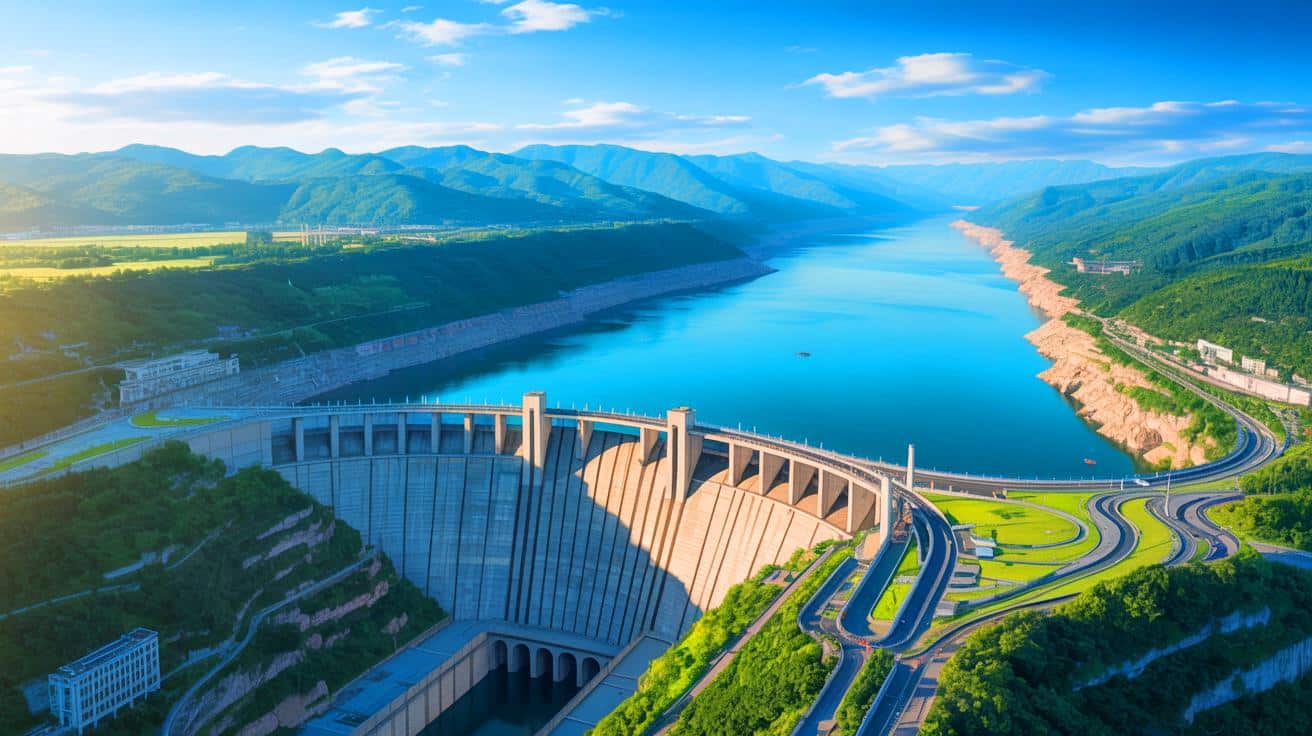
In recent years, the construction of colossal infrastructures has become a hallmark of human ambition and technical expertise. However, these ambitious projects often raise concerns about their broader environmental impact. One such project is China’s Three Gorges Dam, the largest hydroelectric dam in the world. While it symbolizes China’s engineering prowess, it also prompts critical questions about its global consequences. According to NASA, the dam’s massive water displacement could subtly influence Earth’s rotation, sparking a reevaluation of the environmental implications of large-scale engineering projects.
The Magnitude of Modern Engineering
Throughout history, humanity has demonstrated its capability to reshape the natural landscape through engineering. From the Eiffel Tower to the Hoover Dam, these structures reflect the triumph of human innovation. Recently, however, the scale of such projects has expanded dramatically. The Burj Khalifa, for instance, towers over Dubai as the tallest building in the world, while the Shanghai Tower and The Clock Towers in Saudi Arabia exemplify modern architectural marvels. Yet, the focus is not solely on their architectural beauty; the environmental and planetary impacts are also of concern.
The Three Gorges Dam in China’s Hubei province epitomizes this dual focus. As a symbol of China’s determination to harness its natural resources, the dam is a testament to the nation’s engineering capabilities. It generates a significant portion of the country’s energy, yet its construction and operational scale have sparked discussions about its potential to influence Earth’s rotation. This raises fundamental questions about the broader implications of human intervention in nature and the need to consider these impacts when planning future projects.
Understanding the Three Gorges Dam’s Global Reach
As the world’s largest producer of hydroelectric power, China has positioned itself at the forefront of renewable energy. The Three Gorges Dam, while contributing only a fraction to the nation’s energy needs, is emblematic of China’s engineering ambitions. According to a NASA report, the dam’s massive water displacement might alter Earth’s rotation. Such changes might seem insignificant but can have profound implications. Any event involving significant mass shifts, such as earthquakes or reservoir fillings, can impact the planet’s dynamics.
Dr. Benjamin Fong Chao from NASA’s Goddard Space Flight Center explains that human activities, even those as mundane as driving, can affect Earth. The dam’s vast reservoir exemplifies how large-scale human constructions might inadvertently influence the planet’s natural balance. This insight necessitates a broader understanding of how technological advancements interact with Earth’s systems, prompting a reassessment of engineering practices and their long-term effects on our environment.
Deciphering the 0.06 Microsecond Change
The potential impact of the Three Gorges Dam on Earth’s rotation can be compared to an ice skater adjusting their spin by moving their arms. When filled to capacity, the dam’s reservoir holds approximately 10.6 trillion gallons of water. This enormous mass could increase the length of a day by 0.06 microseconds and alter Earth’s shape slightly. These changes, though minute, highlight the delicate equilibrium of the planet’s systems.
Understanding these implications is crucial as humanity continues to exploit natural resources on a massive scale. The interactions between large-scale projects and Earth’s natural rhythms underline the importance of considering environmental impacts in future developments. As we move forward, recognizing the subtle yet profound influence of such undertakings will be essential in ensuring sustainable progress.
Charting a Sustainable Path Forward
The impact of human-made structures on Earth’s dynamics presents a growing concern. As we persist in constructing larger and more complex infrastructures, it becomes imperative to understand their potential repercussions. How will these changes affect our world and daily lives in the long run? The Three Gorges Dam serves as a stark reminder of humanity’s significant influence on the planet, urging us to reflect on the responsibilities that come with technological progress.
As we advance technologically, the challenge lies in balancing development with environmental stewardship. How can we ensure that our quest for innovation does not compromise the planet’s stability? This ongoing conversation is critical to shaping the future of engineering and environmental conservation. How do you envision achieving this balance between progress and sustainability in the coming years?