


“Beneath the Calm Surface Lies Fire”: Lake Kivu’s Methane Power Project Could Prevent - or Trigger - Africa’s Next Great Disaster
 By
Nomvula Dlamini
By
Nomvula Dlamini
| IN A NUTSHELL |
|
Lake Kivu, nestled between Rwanda and the Democratic Republic of Congo, presents a complex paradox of danger and opportunity. This vast body of water, part of Africa’s Rift Valley lakes, is a captivating sight with its serene surface and lush surrounding hills. Yet beneath its tranquil facade lies a potential disaster waiting to unfold. The lake contains high concentrations of methane and carbon dioxide, accumulated over thousands of years of volcanic activity, posing a threat of catastrophic limnic eruptions. This dual nature of Lake Kivu has drawn both scientific intrigue and concern, as efforts to mitigate the risks while harnessing its energy potential continue.
The Hidden Dangers of Lake Kivu
Lake Kivu is one of only three known “killer lakes” in the world, alongside Lakes Nyos and Monoun in Cameroon. These lakes are characterized by their potential to erupt explosively due to trapped gases. In the depths of Lake Kivu, enormous quantities of methane and carbon dioxide are dissolved, held in a delicate balance by pressure and temperature. If disturbed, these gases could escape violently, creating waves and clouds of toxic gas.
In the 1980s, similar eruptions at Cameroon’s lakes resulted in significant loss of life. The disaster at Lake Nyos alone claimed over 1,700 lives. For the millions living near Lake Kivu, the threat is ever-present. Stories circulate of swimmers disappearing without a trace, further fueling local fears. The potential scale of a disaster at Kivu is alarming, with millions at risk in more densely populated areas than those affected in Cameroon.
Global Warming Reveals Chilling Truth: How It Could Plunge The Entire World Into A New Ice Age
Innovative Energy Solutions
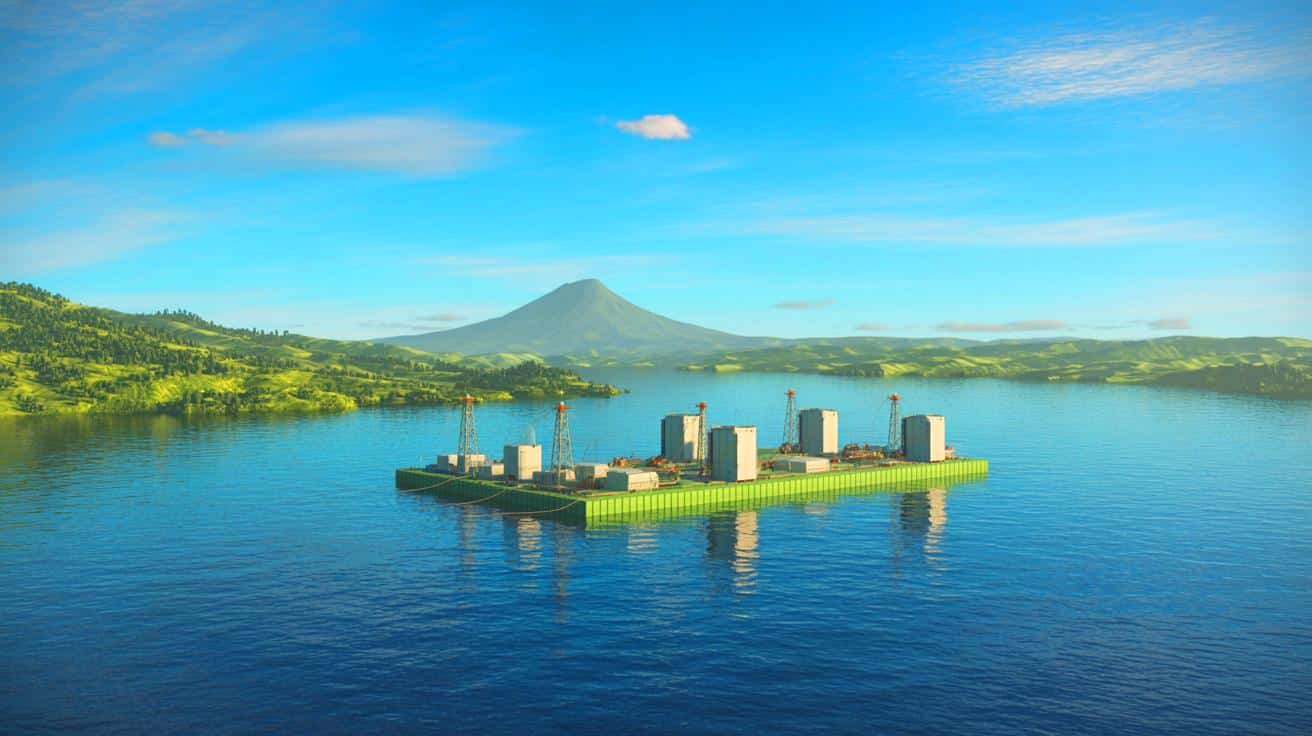
Amidst these fears, Lake Kivu represents a significant opportunity for energy generation. KivuWatt, a pioneering project, is tapping into the lake's vast gas reserves to produce electricity. This initiative is the first of its kind globally, extracting methane from the lake to power Rwanda. The process involves drawing water saturated with gases from deep within the lake, allowing the methane to separate and be used for energy production.
The extracted methane is piped to an onshore facility where it is converted into electricity, contributing significantly to Rwanda's power supply. The carbon dioxide is carefully reinjected into the lake at a depth intended to maintain its stability. While the project aims to reduce the risk of a limnic eruption by lowering gas pressure over time, it also faces the challenge of balancing energy needs with environmental and safety concerns.
The Volcanic Threat
The constant threat of volcanic activity adds another layer of complexity to Lake Kivu's situation. In 2021, Mount Nyiragongo, an active volcano near the lake, erupted violently. The eruption resulted in casualties, property destruction, and widespread panic. The event reignited fears of a potential chain reaction with Lake Kivu, given its proximity and the interlinked geological dynamics.
Despite these fears, the engineers at KivuWatt maintained operations during the volcanic activity. Shutting down the facility would have drastically impacted Rwanda's electricity supply, as KivuWatt provides a substantial portion of the country's power. This decision underscores the delicate balance between harnessing the lake's potential and safeguarding against imminent threats.
Future Prospects and Challenges
Looking ahead, the future of Lake Kivu's gas reserves remains uncertain. The pace at which methane is extracted will determine how long these reserves will last. Current projections suggest that it could take centuries to significantly reduce methane levels with existing efforts. As such, the lake continues to be a focus of scientific and economic interest.
Other companies are also eyeing the lake's potential, with plans to launch additional gas extraction projects. However, these ventures must navigate the intricate balance of environmental stewardship, safety, and energy demands. The challenge lies in ensuring that the exploitation of Lake Kivu's resources does not inadvertently trigger the very disaster they aim to prevent.
Lake Kivu embodies a rare and potent mix of natural beauty, potential danger, and economic opportunity. As efforts to manage its risks and rewards continue, the lake serves as a living laboratory for balancing ecological preservation with human advancement. The question remains: how can we harness nature's power responsibly while safeguarding against its inherent threats?