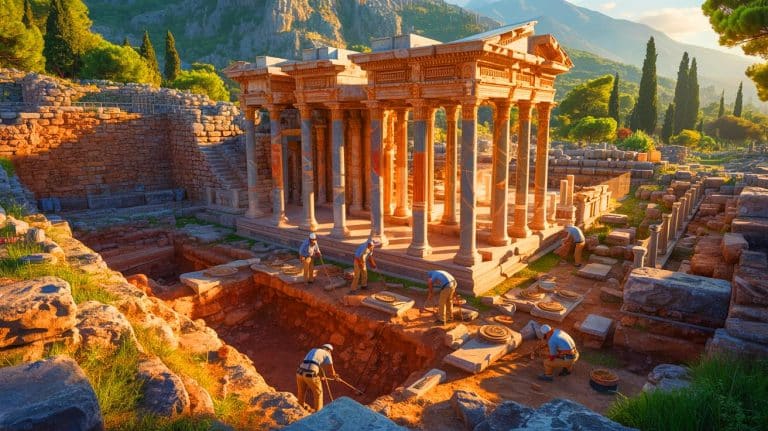



“Forgotten Pits Revealed a Secret”: Great Zimbabwe’s Ingenious Water System Kept the City Alive Longer Than Anyone Believed
 By
Nomvula Dlamini
By
Nomvula Dlamini

| IN A NUTSHELL |
|
Great Zimbabwe, the first major city in southern Africa, was once a vibrant metropolis with an estimated population of 18,000. Despite its historical significance, the city now lies in ruins, with the reasons for its decline shrouded in mystery. Traditionally, scholars have attributed the city’s downfall to climate change and drought. However, recent archaeological research reveals a sophisticated water conservation system, challenging previous assumptions. By examining large, circular depressions known as ‘dhaka’ pits, researchers have discovered evidence of advanced water management techniques that may have sustained the city’s population even during dry spells. This discovery invites a reevaluation of Great Zimbabwe’s history and its eventual collapse.
Reevaluating the Dhaka Pits
The newly proposed function of the dhaka pits as water collection sites marks a significant shift in understanding Great Zimbabwe’s infrastructure. Previously thought to be clay excavation sites, these pits are now believed to have been integral components of a water conservation strategy. Located strategically at the base of hillsides and along streams, the dhaka pits were designed to capture and store rainwater and groundwater.
By utilizing airborne laser scanning technology, researchers have been able to map these features despite dense vegetation, revealing the extensive nature of this water management system. The pits’ strategic placement suggests a deliberate effort to maximize water capture and availability throughout the year. Such a system would have been crucial for sustaining the city’s population, particularly during the dry season.
The discovery of plant remains near the dhaka pits further supports this theory. These remains are from species that thrive in moist environments, indicating the presence of water-rich soil. This new understanding highlights the ingenuity of Great Zimbabwe’s inhabitants and their ability to adapt to environmental challenges.
Estimating Water Capacity
Estimating the water capacity of the dhaka pits presents a challenge, given the lack of previous studies on these structures. Nevertheless, preliminary assessments suggest that the pits could have held over 18 million liters of water. This capacity would have been vital for supporting the city's diverse population, which included ruling elites, religious leaders, craftsmen, and merchants.
During the rainy season, certain areas of the city likely became marshy, providing an ideal environment for clay mining. In contrast, during drier periods, these quarries likely transformed into reservoirs, collecting groundwater and runoff. This dual-purpose use of land resources underscores the flexibility and foresight of the city's planners.
The partially engineered landscape required ongoing maintenance, yet it operated in a relatively passive manner. Runoff naturally flowed into the pits, illustrating a harmonious blend of natural processes and human intervention. This integrated water management approach reflects the ecological and cultural values of Great Zimbabwe's society, as noted by the study's authors.
Understanding the City's Collapse
Despite the advanced water conservation system, the reasons behind Great Zimbabwe's collapse remain uncertain. Climate change, in the form of the Medieval Climatic Anomaly and the Little Ice Age, likely played a role in the city's decline. These global climate events could have exerted significant stress on the city's resources and infrastructure.
Economic and political factors may have also contributed to the city's downfall. The complex interplay of these elements makes it difficult to pinpoint a single cause for the collapse. As researchers continue to explore the ruins, they aim to uncover more insights into the city's history and the challenges it faced.
Understanding the factors that led to Great Zimbabwe's decline could provide valuable lessons for modern societies. The city's ability to manage water resources in a challenging environment serves as a testament to human adaptability and resilience. However, it also raises questions about the sustainability of such systems in the face of external pressures.
The Need for Further Research
The study of Great Zimbabwe's dhaka pits represents just the beginning of a deeper investigation into the city's history. More research is needed to fully understand the dynamics that shaped this ancient civilization. Archaeologists are eager to explore the cultural, economic, and political contexts that influenced the city's development and eventual decline.
This ongoing research not only sheds light on the past but also offers potential insights for contemporary water management strategies. As modern societies grapple with climate change and resource scarcity, the lessons from Great Zimbabwe could prove invaluable. By examining the successes and failures of this ancient city, researchers hope to inform more sustainable approaches to resource management in the present day.
The study, published in the journal Anthropocene, highlights the importance of interdisciplinary research in uncovering the complexities of historical societies. By integrating archaeological findings with environmental and cultural studies, researchers can develop a more comprehensive understanding of the past.
As researchers continue to investigate the enigmatic ruins of Great Zimbabwe, they strive to unravel the mysteries of its rise and fall. The city's sophisticated water management system challenges previous narratives and invites further exploration. What can modern societies learn from Great Zimbabwe's triumphs and struggles in water conservation and resource management?
Continue reading