

This Life-Saving Drug Discovered in Easter Island Soil Is Quietly Changing How Long You Live and Forcing Science to Rethink Aging
 By
Nomvula Dlamini
By
Nomvula Dlamini
| IN A NUTSHELL |
|
In 1964, a routine scientific expedition to the remote Easter Island unexpectedly unearthed a groundbreaking medical discovery: rapamycin. Initially found in a soil sample, this compound has since emerged as a revolutionary anti-aging and immunosuppressant drug. Commonly known as sirolimus, rapamycin has profoundly impacted modern medicine, offering life-saving applications and potential benefits in extending human lifespan. The journey from an unassuming soil sample to a cornerstone of biogerontology highlights the unpredictable nature of scientific discovery. It also draws attention to the ethical considerations surrounding the contributions of indigenous lands to global advancements in medicine.
A Journey to Easter Island: The Birth of Rapamycin
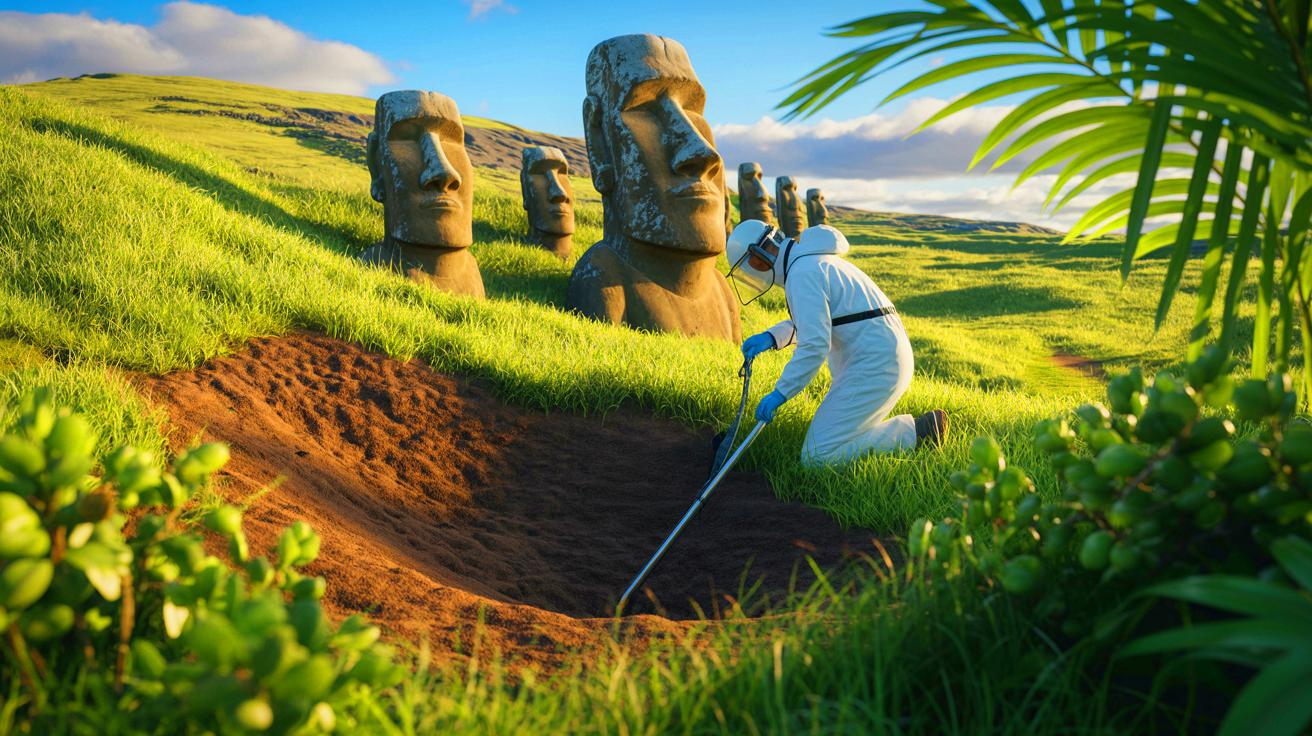
Easter Island, or Rapa Nui, is renowned for its iconic Moai statues and its remote location in the Pacific Ocean. In 1964, a scientific team embarked on the “Medical Expedition to Easter Island” with the primary aim of surveying its unique ecosystem. The researchers were less interested in the famous statues and more focused on documenting the island’s flora and fauna, which were under threat from proposed developments like an airport construction.
During the expedition, the team collected soil samples, not anticipating any major findings. Yet, the bacteria in the soil had other plans. One sample contained Streptomyces hygroscopicus, a bacterium that produced a potent compound with antibacterial and antifungal properties. This compound, later named rapamycin, would go on to revolutionize the treatment of various conditions, including organ rejection and certain cancers.
The discovery of rapamycin from a simple soil sample underscores the importance of preserving natural habitats. It also highlights the potential for scientific discoveries in even the most unexpected places.
The Scientific Significance of Rapamycin: From Soil to Medicine
Initially, rapamycin appeared to be just another bacterial compound with potential medical applications. However, its unique properties soon emerged. Researchers discovered that rapamycin interfered with a critical protein in the body called mTOR (mechanistic target of rapamycin). This protein plays a crucial role in regulating cell growth, metabolism, and immune responses.
By inhibiting mTOR, rapamycin effectively suppresses the immune system, making it invaluable for preventing organ rejection after transplants. But its potential extends beyond immunosuppression. Studies on mice and yeast strains have revealed rapamycin’s anti-aging properties. It has been shown to slow cell aging, reduce inflammation, and possibly even extend lifespan.
UC Davis has been at the forefront of this research, further highlighting rapamycin's role in promoting healthy human lifespan. This research underscores the drug's global significance in the field of biogerontology.
Rapamycin’s Impact on Modern Medicine
Today, rapamycin, also known as sirolimus, is a multi-million-dollar drug that continues to shape modern medicine. As of 2024, its global market value was estimated at $328 million, with projections suggesting it could exceed $522 million by 2033. Most notably, it has transformed organ transplantation, where it is used to suppress the immune system and prevent transplant rejection.
Beyond transplantation, rapamycin has found applications in treating certain cancers, such as renal and breast cancer. It also aids in managing rare conditions like lymphangioleiomyomatosis (LAM). Despite its successes, rapamycin's story began humbly with a soil sample from a distant island.
Ted Powers, a professor of molecular and cellular biology at UC Davis, emphasizes the importance of recognizing the origins of rapamycin. He believes it is essential to give back to the community that facilitated this discovery. This sentiment highlights the need for ethical considerations in the scientific community.
Easter Island’s Contribution: The Uncelebrated Heroes of Medicine
While rapamycin's discovery is celebrated in scientific circles, the contribution of the people of Easter Island, the Rapa Nui, often goes unrecognized. The scientific community frequently overlooks the island's role in modern medicine. Ted Powers stresses the importance of acknowledging rapamycin's origins and respecting the people who made this discovery possible. “I would like for the scientific community to give something back,” Powers stated. “The important thing is to start a dialog, to listen to what the Rapa Nui hope to achieve and work with them.”
This call for dialogue underlines the ethical responsibility of researchers and pharmaceutical companies to involve indigenous communities in the scientific process. As medicine continues to benefit from the resources of indigenous lands, it is crucial to find ways to honor and collaborate with these communities.
Rapamycin's journey from a soil sample in Easter Island to a revolutionary drug in modern medicine is a testament to the unpredictable nature of scientific discovery. It also raises important ethical questions about the recognition and involvement of indigenous communities in scientific advancements. As we continue to benefit from the resources of lands like Easter Island, how can we ensure that these communities are acknowledged and involved in the fruits of their contributions?
Continue reading