



Bizarre Deep-Sea Creature Terrifies Scientists And Reveals Shocking Secrets That Could Change Everything You Know About Oceans
 By
Joseph Mwangi
By
Joseph Mwangi
| IN A NUTSHELL |
|
The recent discovery of a new species, Bathylepeta wadatsumi, found nearly 19,430 feet deep in the Pacific Ocean, has sparked significant interest among marine biologists. Situated in a region that poses extreme environmental challenges, this new species of limpet offers insights into the mysteries of deep-sea life. The findings, published in the scientific journal Zoosystematics and Evolution, highlight the importance of advanced technology in marine exploration. This discovery not only expands our understanding of marine biodiversity but also raises intriguing questions about the adaptability of life in one of the Earth’s most uncharted territories.
Unveiling a New Species: Bathylepeta Wadatsumi
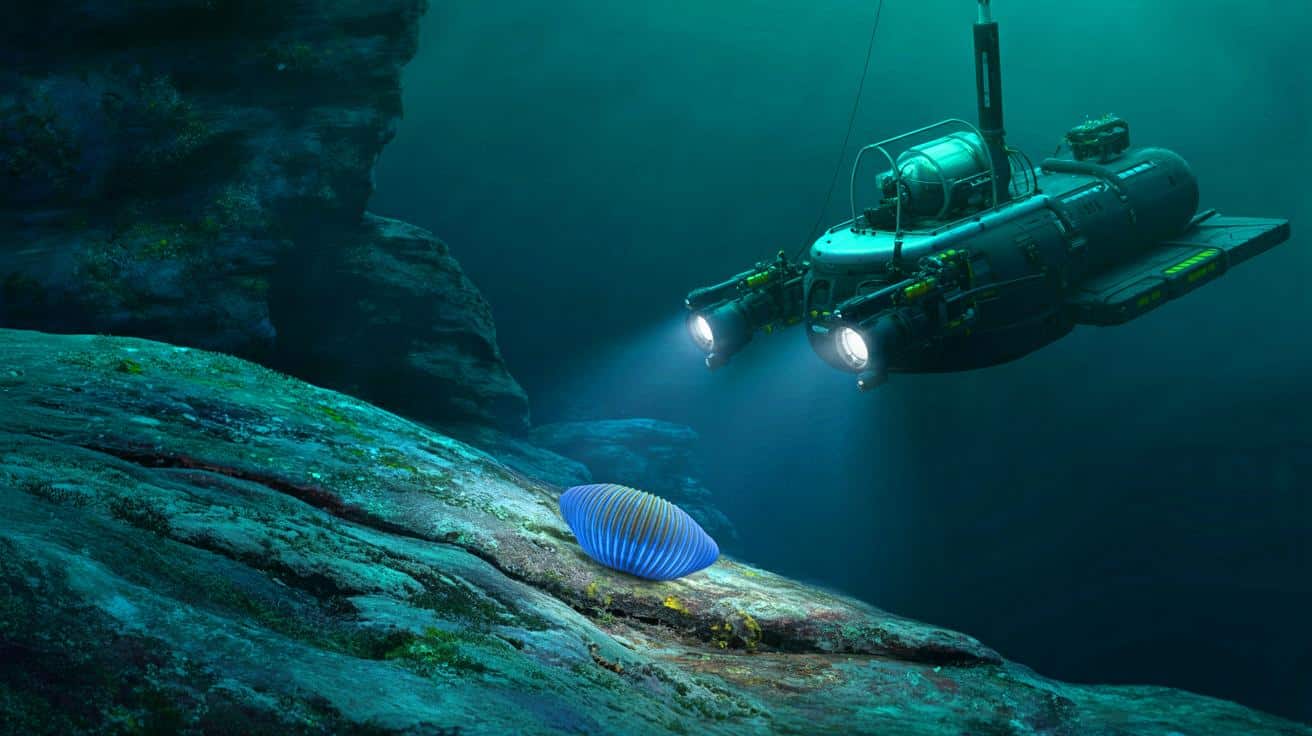
The discovery of Bathylepeta wadatsumi marks a milestone in marine biology. This unique mollusk was spotted on a volcanic rock ledge about 300 miles from Tokyo. Unlike typical limpets found in shallow waters, this species thrives in the harsh conditions of the deep sea. Its bluish-grey, translucent shell, measuring approximately 1.6 inches, sets it apart from other known species. The shell’s distinct appearance reflects its adaptation to life in total darkness, where the absence of light defines its habitat.
Chong Chen, lead scientist from the Japan Agency for Marine Earth Science and Technology, emphasized the genetic and anatomical differences that distinguish this limpet from its relatives. Only one individual, the holotype, was collected during the expedition, making it a critical specimen for further study. This single specimen provides valuable information about the genetic landscape and ecological dynamics of the Bathylepeta genus, offering a glimpse into the complex web of deep-sea life.
This Shocking Discovery Reveals Earth’s Secret Plan To Split Africa And Change Our World Forever
The Role of Submersibles in Ocean Exploration
The discovery of Bathylepeta wadatsumi underscores the critical role of submersibles in ocean exploration. These advanced vehicles allow scientists to observe and collect specimens from depths previously unreachable. Submersibles facilitate direct observation, enabling researchers to study organisms in their natural habitats. The ability to navigate and sample in situ is a game-changer for marine biology, providing unprecedented access to the ocean’s hidden depths.
As Chong Chen noted, submersibles have made it possible to explore habitats that were once beyond reach, allowing for discoveries like Bathylepeta. The technology enables scientists to follow grazing patterns, inspect surfaces, and make informed decisions about sampling. Without submersibles, the vast, largely unexplored deep ocean would remain a mystery, with countless species yet to be discovered.
How Deep-Sea Species Adapt to Extreme Conditions
The adaptation of Bathylepeta wadatsumi to extreme conditions is a testament to the resilience of deep-sea life. Living at nearly 19,430 feet, this limpet sets a new depth record for its family. Deep-sea species, like this limpet, face immense pressure, low temperatures, and scarce food sources. Their ability to survive and thrive in such harsh environments is remarkable and suggests that other similar species may exist, hidden from conventional sampling methods.
The limpet’s rocky habitat is crucial to its survival. These surfaces provide a stable foundation for feeding. Bathylepeta wadatsumi utilizes its muscular foot and sharp teeth to scrape organic matter off rocks, demonstrating a unique adaptation to its environment. This behavior highlights the specialized nature of deep-sea organisms, which have evolved to make the most of limited resources.
A Shift in Understanding Deep-Sea Ecosystems
The discovery of Bathylepeta wadatsumi challenges previous assumptions about deep-sea ecosystems. For years, scientists believed the abyssal plain was a barren expanse. However, new findings suggest that rocky outcrops and other hard surfaces are more prevalent, providing habitats for specialized communities. These rocky environments support a diversity of life that was previously underestimated.
This discovery highlights the importance of revisiting our understanding of deep-sea biology. The idea that life can flourish in isolated, extreme environments expands the scope of marine research. It also underscores the need for continued exploration to uncover the complexities and diversity of life in the deep ocean. As scientists delve deeper, they uncover a rich tapestry of ecosystems that defy traditional views of the ocean floor.
Genetic Analysis and Taxonomy: Establishing a New Family Member
Genetic research has confirmed the uniqueness of Bathylepeta wadatsumi. By combining anatomical observations with DNA analysis, scientists have established its place within the family tree of true limpets. The discovery extends the known depth range for this group, supporting the theory that limpets migrated into deep water in a single event and adapted over time.
Comparative studies with other limpets reveal distinct traits in Bathylepeta, such as shell shape and radula tooth development. These differences solidify its status as a unique species, distinct from relatives in places like Antarctica. The genetic insights gained from this discovery enhance our understanding of evolutionary processes and the adaptability of marine life to extreme conditions.
The discovery of Bathylepeta wadatsumi opens new avenues for research, offering a glimpse into the adaptability and resilience of deep-sea life. As scientists continue to explore the ocean’s depths, the potential for new discoveries is immense. What other mysteries lie beneath the ocean’s surface, waiting to reshape our understanding of marine ecosystems?
Continue reading