
Cameroon’s government has ordered mass evacuations in parts of the Anglophone Southwest region as it ramps up a military crackdown on armed separatist groups seeking independence from President Paul Biya’s decades-long rule.
This marks a sharp shift from previous efforts to suppress largely peaceful protests that began over a year ago in the English-speaking Northwest and Southwest regions, where grievances over political and cultural marginalization have long persisted. The crisis, initially driven by strikes from teachers and lawyers, has now given rise to a violent separatist insurgency.
In recent weeks, separatists advocating for an independent state known as “Ambazonia” have claimed responsibility for killing at least eight members of the security forces. In response, authorities deployed heavily armed troops to target rebel fighters hiding in rural areas.
On December 1, officials in the Manyu Division of the Southwest region instructed residents from 16 villages to leave immediately, warning that anyone who stayed would be treated as accomplices to “criminal activities.” Motorbikes, often used by separatist fighters for quick attacks, were banned from use at night.
Local residents reported a climate of fear. Agbor Valery, a lawyer from Mamfe, said people fled in panic after the evacuation announcement. “The villages are almost empty. Only a few elderly people remain. The area is heavily militarized, and gunfire is heard nightly,” he explained. Witnesses described seeing truckloads of soldiers and military equipment arriving in the area. While Reuters could not verify all accounts, security officials in Bamenda, the capital of the Northwest, confirmed increased deployments.
Mounting Pressure on President Biya
The growing insurgency adds pressure on President Paul Biya, 84, who has ruled since 1982 and is expected to run for re-election. His administration is already strained by economic downturns and threats from Boko Haram militants in the Far North.
The fall of Zimbabwe’s long-time leader Robert Mugabe has also drawn attention to Africa’s aging leaders and the rising demand for political change among younger generations.
Biya has labeled the separatists as “criminals” and vowed to eliminate them. Defense Minister Joseph Beti Assomo emphasized that the new military strategy aims to “prevent terrorists from harming others.”
Humanitarian Crisis Deepens
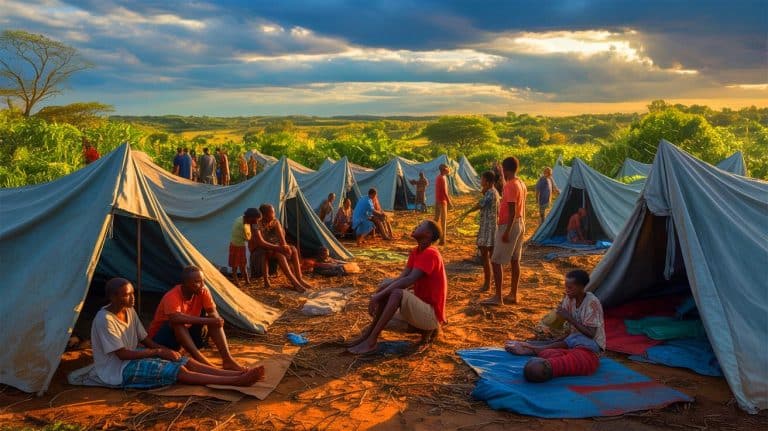
The crackdown has triggered a growing refugee crisis. The United Nations reports that more than 5,000 people have fled to neighboring Nigeria since October 1, with preparations underway to receive up to 40,000. Internet shutdowns in the Anglophone regions have made it difficult for outside observers to fully assess conditions, but testimonies from refugees reveal harrowing journeys.
One refugee, Abia David, recounted fleeing Bamenda after hearing that he was being targeted for arrest due to his involvement with an opposition group. He traveled over 100 kilometers on foot through remote villages before crossing into Nigeria, where he later fell ill with malaria. “Go home to what?” he asked. “To be killed or jailed without trial? I can only return when peace is restored.”
So far, refugees are being sheltered by local communities in Nigeria as aid agencies provide basic services like mosquito nets and temporary housing.