



“So This Is How China Wins”: The CFR-1000 Reactor Delivers a Million Homes of Power and Redefines the Global Energy Race
 By
Nomvula Dlamini
By
Nomvula Dlamini
| IN A NUTSHELL |
|
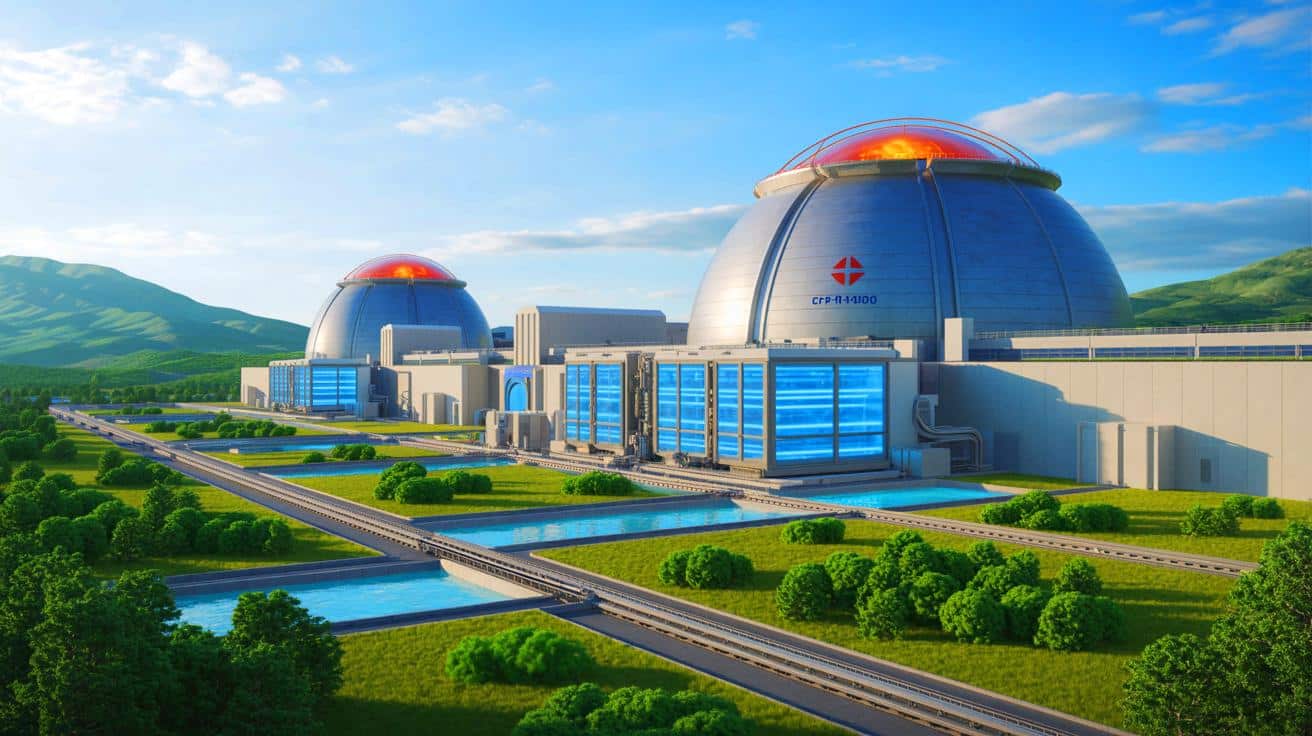
China’s recent unveiling of the CFR-1000, a fast neutron nuclear reactor, has sparked considerable interest in the global energy community. This advanced reactor promises to deliver up to 1.2 gigawatts of power, sufficient to meet the electricity demands of around one million homes. With its groundbreaking technology, the CFR-1000 is poised to redefine nuclear energy processes, offering a more efficient and sustainable solution. As the world increasingly seeks to address energy demands while minimizing environmental impact, the implications of this development could significantly alter energy strategies across the globe. The reactor is expected to become fully operational by 2034, pending regulatory approval.
The Potential of Fast Neutron Reactors
The CFR-1000 is part of a new generation of nuclear reactors, leveraging fast neutrons rather than the slow neutrons typical of conventional reactors. This innovative approach means that materials traditionally used to slow down neutrons, like water, are no longer necessary. Instead, high-speed neutrons facilitate nuclear fission, leading to enhanced fuel efficiency and increased energy output.
Fast neutron reactors offer a promising pathway towards closed-loop fuel cycles. They possess the capability to generate new fuel, such as plutonium-239, from non-fissile materials like uranium-238. This process significantly reduces nuclear waste and decreases the demand for new uranium mining. The ability to reuse nuclear waste supports global efforts to reduce environmental impacts while promoting sustainable energy solutions.
“Steel Is Finished”: New Super-Alloy Survives 1112°F Nuclear Tests and Sparks Industry-Wide Clash Over the Future of Reactor Materials
https://africatimes.com/power-you-cant-see-pratt-whitneys-f135-engine-turns-the-f-35-into-a-stealth-powerhouse/541/
Innovative Cooling Techniques
A defining feature of the CFR-1000 is its use of liquid sodium as a coolant, replacing the traditional reliance on water. Liquid sodium offers superior heat transfer, enabling the reactor to function at higher temperatures. This results in improved efficiency and potential energy output.
While the use of sodium helps mitigate risks associated with water-cooled reactors, such as steam explosions, it introduces new challenges, including the need for meticulous handling to prevent chemical reactions. As the CFR-1000 moves closer to becoming operational, these technical aspects will be closely scrutinized by both Chinese authorities and international observers.
NASA Unveils Nuclear Fuel Stronger Than Plutonium and Scientists Say “We’re Entering a New Age of Space Dominance”
https://africatimes.com/theyre-flinging-satellites-into-space-spinlaunchs-giant-centrifuge-could-end-rocket-launches-and-rewrite-the-rules-of-spaceflight/549/
Challenges and Regulatory Hurdles
Despite its potential, the CFR-1000 must navigate considerable regulatory challenges before it can be brought online. Ensuring nuclear safety is of utmost importance, especially for fast neutron reactors, which differ significantly from conventional reactors in their operations. The regulatory approval process is often lengthy and involves numerous stakeholders and comprehensive safety evaluations.
Additionally, the international community will be observing closely, not only for safety reasons but also due to the geopolitical implications of such technological advancements. As China positions itself as a leader in nuclear technology, the CFR-1000 could alter global energy dynamics and influence international policy. The path to operational approval for the CFR-1000 is poised to be a focal point of international discourse in the years ahead.
Japan Unveils World’s First Nuclear Waste Battery and One Scientist Warns “It Glows With Potential – and with Risk”
https://africatimes.com/they-built-a-machine-that-can-cut-the-internet-chinas-deep-sea-cable-cutter-sparks-global-alarm-over-underwater-warfare-and-security-risks/538/
Global Implications and Future Prospects
As China progresses with the CFR-1000, other countries may need to reconsider their nuclear strategies. The fast neutron reactor’s potential to deliver more efficient and sustainable energy solutions could influence global energy policies. Nations aiming for energy independence and reduced carbon emissions might look to incorporate similar technologies into their energy portfolios.
The CFR-1000 may serve as a benchmark for future nuclear developments, encouraging further research and investment in the field. As the global community seeks to balance energy needs with environmental responsibilities, the role of nuclear power, particularly advanced reactors like the CFR-1000, could become increasingly significant. How other nations respond to China’s technological advancement remains to be seen.
The CFR-1000 represents a pivotal advancement in nuclear energy technology. As it progresses towards becoming operational, its impact on global energy strategies and environmental sustainability could be profound. The question remains: how will the rest of the world adapt to this transformative shift in nuclear technology, and what role will fast neutron reactors play in the future of energy production?
Continue reading