



Innovation and Technology Seen as Cornerstones for Transforming Africa’s Food Systems
 By
Joseph Mwangi
By
Joseph Mwangi
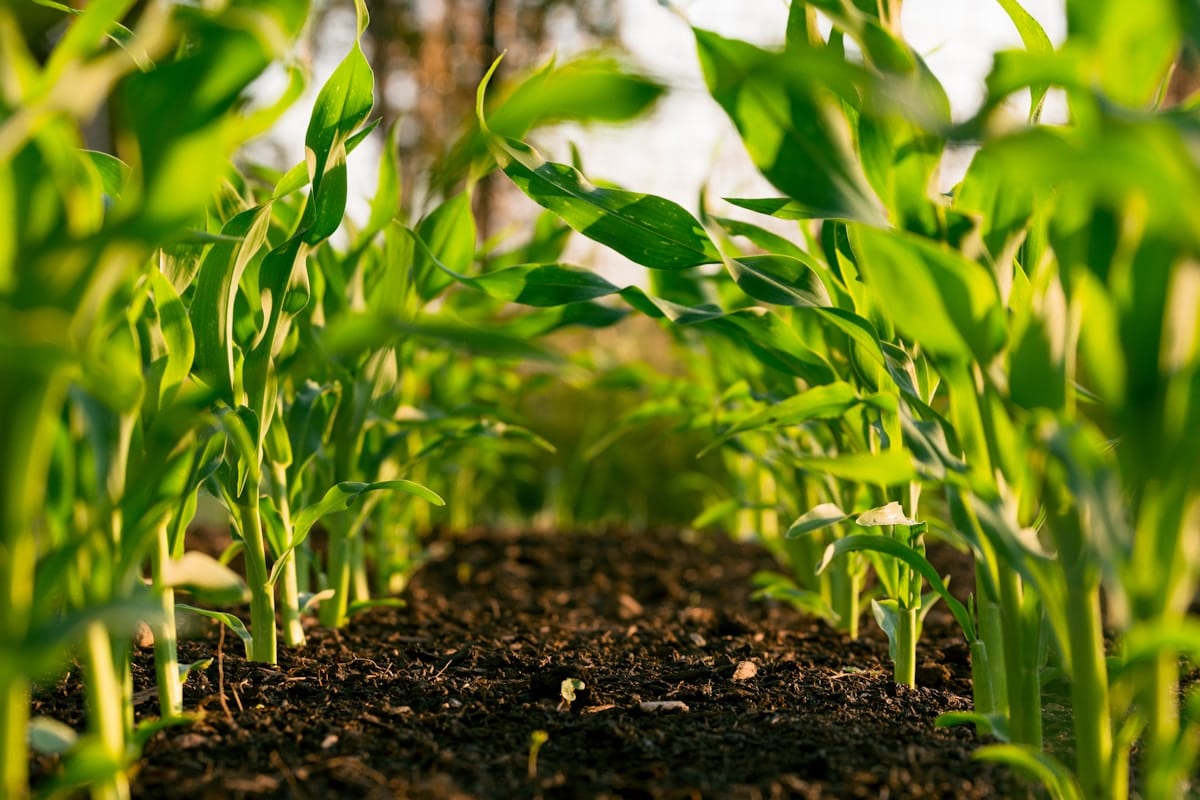
Investing in agricultural innovations – ranging from improved seeds and machinery to digital tools integrated with best farming practices and made easily accessible to farmers – offers Africa its strongest opportunity to revolutionize food systems and boost productivity.
According to experts, African farmers are already demonstrating impressive progress, and their productivity and profitability could rise significantly with better access to modern technologies, the right knowledge, and supportive systems.
However, these gains remain vulnerable to persistent challenges such as drought and climate change, pest and disease outbreaks, weak market structures, inefficient value chains, and the circulation of counterfeit agricultural inputs.
Speaking at the High-Level Dialogue on “Feeding Africa: Leadership to Scale Up Successful Innovations” held from 29 – 30 April 2021, Dr. Denis Kyetere, Executive Director of the African Agricultural Technology Foundation (AATF), highlighted the critical role of innovation in advancing food security across the continent. The event was co-organized by the African Development Bank (AfDB), the International Fund for Agricultural Development (IFAD), the Forum for Agricultural Research in Africa (FARA), and the CGIAR System Organization.
Dr. Kyetere shared success stories from the Water Efficient Maize for Africa (WEMA) project, through which AATF and its partners developed climate-resilient maize hybrids known as DroughTEGO. These varieties are engineered to tolerate moderate drought, helping farmers adapt to the effects of climate change.
“The TEGO varieties demonstrated remarkable performance, yielding between 8 and 12 tonnes per hectare, compared to the regional average of 1.4 tonnes per hectare in Sub-Saharan Africa,” he noted. He emphasized the importance of ensuring that such climate-smart solutions are rapidly scaled and delivered to farmers for maximum impact.
In 2018, the AfDB launched the Technologies for African Agricultural Transformation (TAAT) initiative, appointing AATF to lead the Maize Compact in 11 African countries, including Kenya, Uganda, Tanzania, Ethiopia, Rwanda, Zambia, Zimbabwe, Nigeria, Ghana, Cameroon, and Benin.
“The TAAT Maize Compact aimed to scale up the adoption of high-yielding, climate-resilient maize varieties such as DroughtTEGO and to introduce complementary technologies including optimized fertilizer use, effective weed control, mechanization, and improved post-harvest practices,” Dr. Kyetere said.
The compact also focused on strengthening market access and promoting value addition through processing, ensuring that increased production translated into higher incomes for farming households.
The partnership brought together key players across the maize value chain: national research and extension systems, private seed companies, seed regulators, farmer groups, community organizations, grain buyers, millers, and the International Institute of Tropical Agriculture (IITA) as the regional coordinator for West and Central Africa.
In just under 30 months, more than 2.4 million farmers adopted climate-smart maize varieties, resulting in significant gains in productivity. To support widespread adoption, the TAAT Maize Compact partnered with 40 seed companies, producing 22,000 tons of certified climate-smart seed across six countries: Kenya, Tanzania, Uganda, Zambia, Zimbabwe, and Nigeria.
To combat the Fall Armyworm infestation, approximately 360,000 farmers in Zimbabwe and Zambia were supplied with Fortenza Duo-treated maize seed, which provided enhanced protection against the pest.
The initiative also prioritized inclusivity. In Tanzania, women-owned farms and SMEs contributed to the production of over 3,900 tons of climate-smart maize hybrids. In Kenya, the project collaborated with 34 women’s groups under the Western Region Farmers Network to support technology uptake.
Dr. Kyetere stressed that sustaining such momentum requires strong political will, adequate financing, supportive policy frameworks, effective regulatory systems, and well-structured institutions with qualified personnel. These elements are essential for ensuring that farmers can access technologies capable of transforming livelihoods and contributing to national economic growth.
The dialogue brought together global experts, policymakers, and leaders to explore how Africa can continue to leverage innovation and technology to drive food system transformation and improve the lives of smallholder farmers across the continent.