
Solar Cow: Turning Sunshine into School Attendance in Kenya
 By
Joseph Mwangi
By
Joseph Mwangi
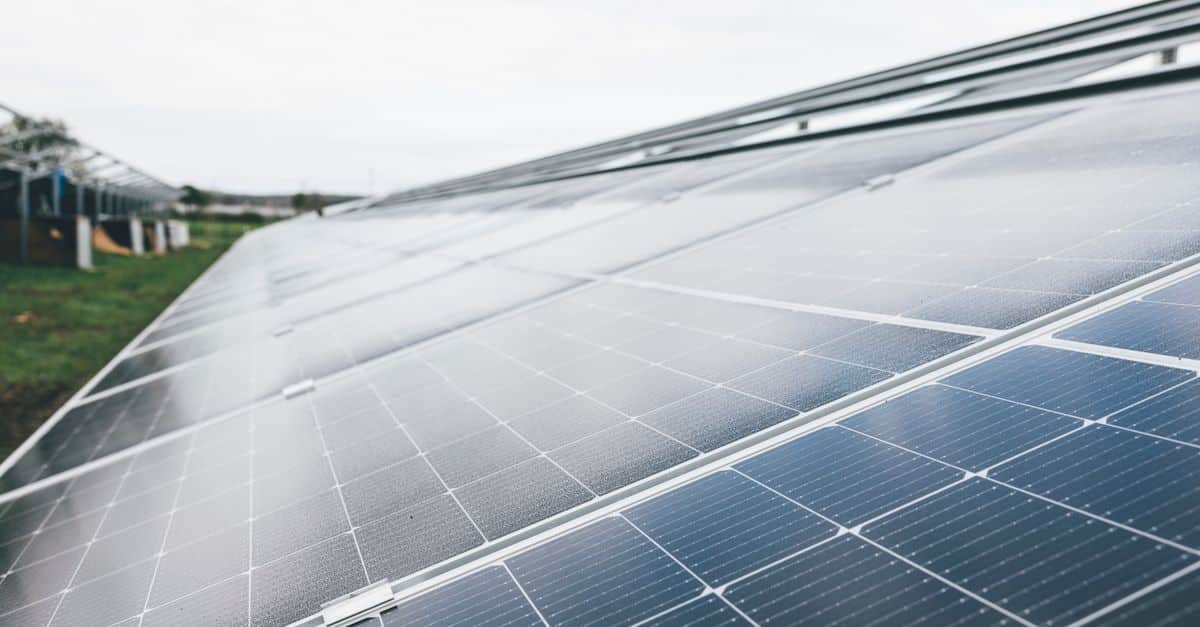
In rural northwestern Kenya, a steel structure shaped like a cow is doing more than just turning heads – it’s keeping children in school. The “Solar Cow,” developed by South Korean entrepreneur Sen Chang, CEO of the solar energy company YOLK, provides families with free electricity in exchange for their children’s school attendance.
Each student is given a portable 10-watt Power Milk battery shaped like a milk bottle. At the start of the school day, they plug their batteries into the Solar Cow, which charges them using solar energy. By the time classes end, the fully charged batteries can power essential home needs such as lighting, radios, and charging mobile phones – costs that can otherwise consume up to 20% of a household’s budget.
In areas like Kenya, where 35% of children aged 5 to 14 are engaged in child labor, the Solar Cow initiative offers a practical incentive for families to prioritize education over sending children to work. Since its launch at Chemoril Primary School in December 2018, both student enrollment and attendance have increased.
The system’s modular design allows customization based on school size and minimizes maintenance needs, making it scalable for deployment across Africa and Asia. Sen, who studied product design, credits her ability to approach problems creatively as key to developing solutions like Solar Paper and Solar Cow.
Powered by the idea that “the sun delivers more energy in one hour than humanity uses in a year,” Sen has positioned YOLK as an emerging force in sustainable innovation. The company has already won the 2019 Innovation Award at CES and was a finalist for Start-Up of the Year at the Green Awards.
With early success in Kenya, Solar Cow appears set to bring brighter futures – and brighter homes – to many more communities.