


Discovery of a New Underwater Volcano East of Mayotte
 By
Kwame Asante
By
Kwame Asante
France Announces Major Scientific Breakthrough and Reinforced Risk Prevention Measures
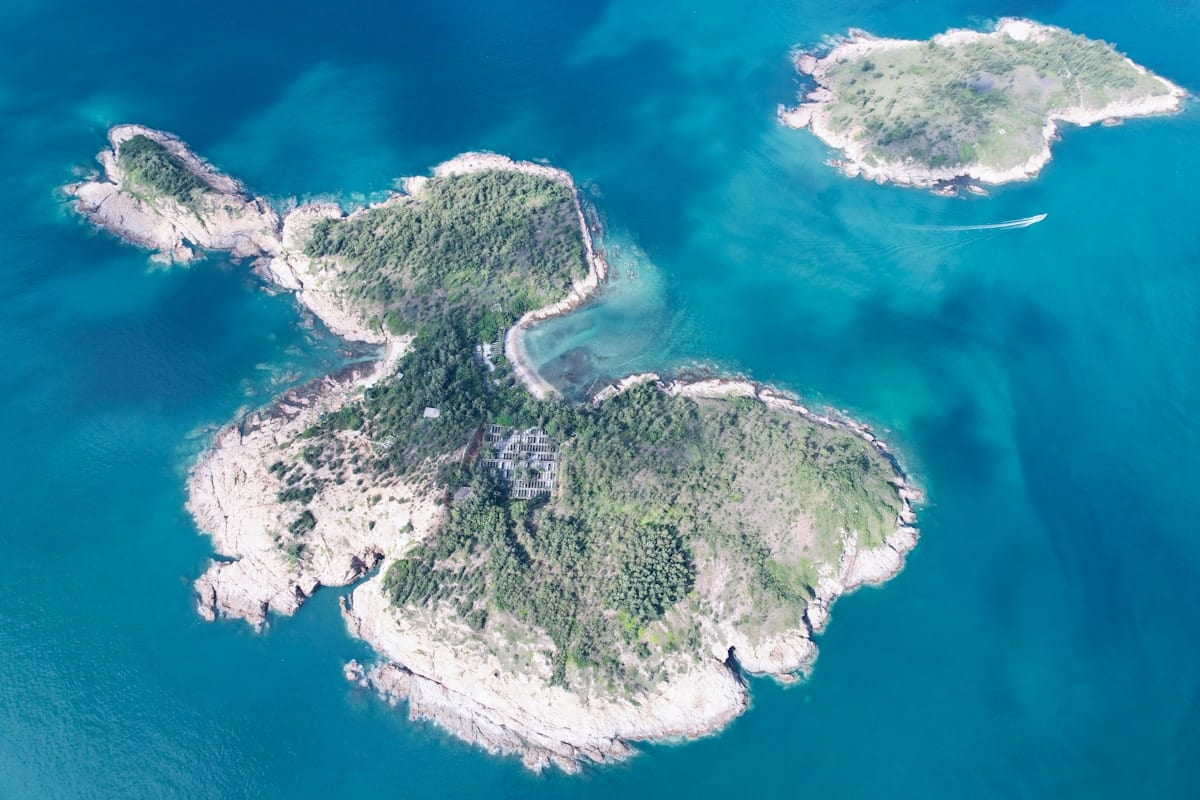
Paris, May 16, 2019 – Scientists have discovered the birth of a new underwater volcano located about 50 kilometers east of Mayotte, at a depth of 3,500 meters beneath the Indian Ocean. This unprecedented discovery sheds light on the intense seismic activity experienced on the island since 2018.
In response, the French government has announced a comprehensive effort to further investigate and monitor this exceptional geological phenomenon, aiming to better assess and prevent the potential risks for the population of Mayotte.
A Year of Unusual Seismic Activity
Since May 2018, Mayotte has experienced a series of earthquakes that prompted a large-scale scientific and interministerial mobilization. To better understand the phenomenon, the government launched a research mission in June 2018, including the oceanographic expedition of the vessel Marion Dufresne. The ship returned to port on May 15, 2019, after collecting vital data that led to the discovery of the new volcano.
The Birth of a Volcano Observed for the First Time
Led by the French National Centre for Scientific Research (CNRS), in collaboration with major research institutions such as BRGM, IFREMER, IPGP, IGN, and several universities and agencies, the mission confirmed the existence of a new submarine volcano about 50 km off Petite-Terre.
The structure, rising 800 meters from the seabed and spanning 4 to 5 kilometers at its base, emits a 2 km-high plume of volcanic fluids that does not reach the surface. Scientists also reported that the gas emissions observed by residents along Petite-Terre’s coast are consistent with this type of deep-sea volcanic activity and will be subject to further study.
Understanding the Mayotte Seismic Swarm
The marine instruments deployed during the mission are helping to pinpoint the source of the persistent seismic swarm detected since 2018. Teams of scientists are now analyzing the vast amount of data collected to evaluate the risks associated with the volcano – including potential seismic, volcanic, and tsunami hazards.
These findings will guide an updated and expanded research program in the coming months to deepen understanding and enhance preparedness.
A Strengthened State Commitment
From the onset of the seismic crisis, the French government has continuously adapted its monitoring and prevention measures in light of new scientific discoveries. In collaboration with local authorities, it has introduced a five-point action plan to reinforce surveillance and safety:
- Expand and modernize monitoring equipment (seismographs, GPS stations) to ensure continuous tracking of the phenomenon.
- Deepen scientific research through targeted missions.
- Update risk assessments and evaluate the potential impact on Mayotte, with preliminary results expected within three months.
- Reinforce crisis management systems, including the deployment of a civil protection mission to support the Prefect of Mayotte in updating emergency plans such as ORSEC.
- Maintain transparent and regular communication with the public and local representatives.
In addition, findings from this research will be shared with international partners across the Indian Ocean region to strengthen regional collaboration on geological risk management.
The French government, its scientific institutions, and local authorities remain fully mobilized to study this extraordinary event and to implement all necessary measures to understand, monitor, and mitigate the potential risks associated with the new underwater volcano east of Mayotte.
Continue reading