



World leaders gathered in Paris on Thursday to discuss sweeping reforms to the international financial system, aiming to help debt-stricken developing nations confront the mounting challenges of climate change, poverty, and economic instability.
Hosted by French President Emmanuel Macron alongside Barbados Prime Minister Mia Mottley, the Summit for a New Global Financial Pact seeks to reshape global economic governance by redefining the role of institutions such as the World Bank and the International Monetary Fund (IMF). The goal: to make them fit for an era defined by climate emergencies and widening inequalities.
“We can make a huge difference for the planet and against poverty,” Macron declared on the eve of the summit, emphasizing that global solidarity must translate into concrete financial action.
A World in Crisis
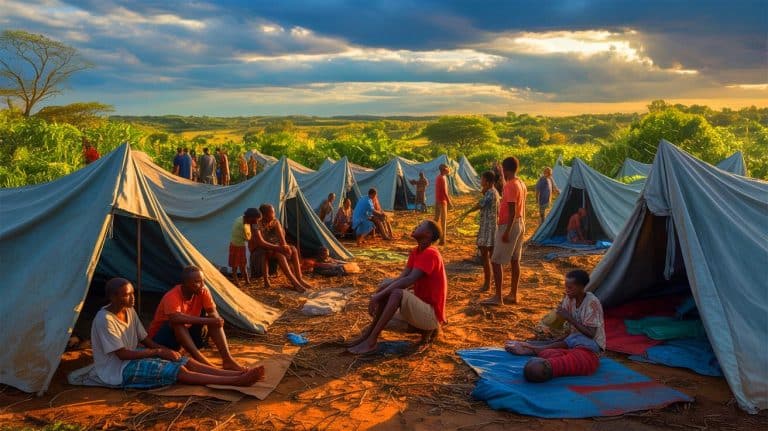
The summit convenes at a time of overlapping global crises – from the lingering impacts of COVID-19 and Russia’s war in Ukraine, to surging inflation, rising debt burdens, and increasingly frequent climate-induced disasters.
Attendees include Kenyan President William Ruto, German Chancellor Olaf Scholz, Chinese Premier Li Qiang, EU Commission President Ursula von der Leyen, UN Secretary-General António Guterres, US Treasury Secretary Janet Yellen, IMF Managing Director Kristalina Georgieva, and World Bank President Ajay Banga.
Climate activists such as Greta Thunberg and Vanessa Nakate are also in Paris to pressure leaders for tangible outcomes. The summit will close with a “Power Our Planet” concert organized by Global Citizen, headlined by Billie Eilish, to mobilize public support.
From Promises to Action
The two-day event aims to serve as a launchpad for major global meetings later this year, including the G20, UN Climate Summit (COP28), and World Bank – IMF Annual Meetings.
Observers, however, warn that goodwill must now translate into measurable results.
“We need to see real down payments from wealthier countries and development finance institutions,” said Alex Scott from the climate think tank E3G.
Among the key expectations is the long-delayed fulfillment of the $100 billion annual climate finance pledge, first promised in 2009 but never fully delivered. Another focal point is the reallocation of $100 billion in unused Special Drawing Rights (SDRs) – the IMF’s financial reserve instrument – to boost liquidity for developing economies.
Financing a Sustainable Future
The scale of the challenge is immense. A UN expert group estimated that developing countries (excluding China) will need to invest around $2.4 trillion annually by 2030 to meet both development and climate goals.
The International Energy Agency (IEA) added that investment in clean energy in these nations must rise from $260 billion to nearly $2 trillion per year within a decade to keep the Paris Agreement goals within reach.
Reforming Global Debt and Investment
Many nations, particularly small island states vulnerable to extreme weather, are urging for innovative debt mechanisms that offer flexibility in times of crisis. Barbados, for instance, has pioneered “disaster clauses” allowing countries to pause debt repayments for up to two years after a major natural catastrophe.
“When a cyclone strikes, it doesn’t discriminate,” said Fatumanava Pa’olelei Luteru, Chair of the Alliance of Small Island States (AOSIS). “It can undo years of progress – countries must be given fiscal space to rebuild.”
The summit also explored new tax mechanisms to raise climate funds, including a proposed carbon tax on international shipping, which France hopes to push through at the upcoming International Maritime Organization meeting in July.
Another emerging idea is “debt-for-nature swaps”, where countries exchange portions of their sovereign debt for commitments to environmental conservation. Ecuador recently finalized the world’s largest such deal to protect the Galápagos Islands, while Colombian President Gustavo Petro has called it “humanity’s first great leap forward” in addressing the planet’s existential threats.