



NASA Researchers Uncover Mysterious Discovery Beneath Lake Erie, Shedding Light on Hidden Underwater Secrets
 By
Joseph Mwangi
By
Joseph Mwangi
| IN A NUTSHELL |
|
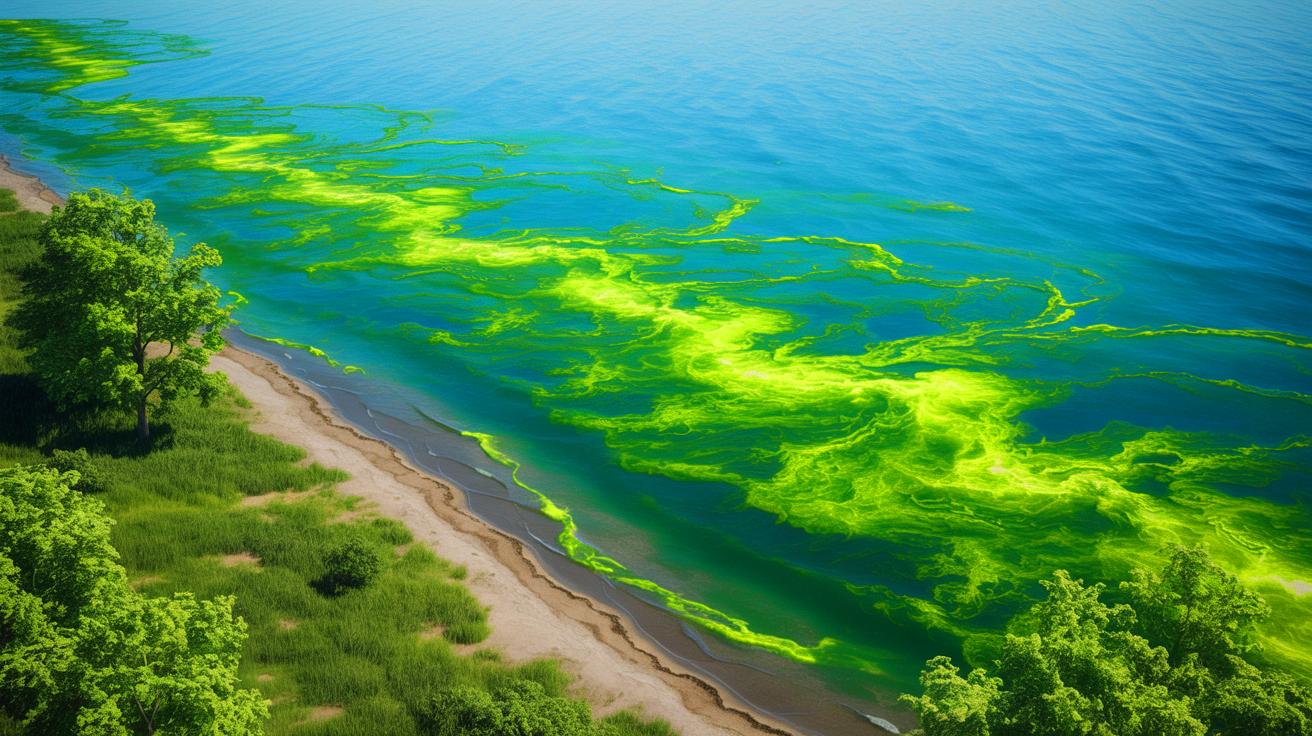
Lake Erie, one of North America’s Great Lakes, has long been a subject of scientific scrutiny. Each summer, its waters transform, becoming a hub of potentially harmful activity due to algal blooms. These blooms, rich in toxins, pose risks to both wildlife and human health. After years of research, scientists have now traced the root of these blooms to a specific cyanobacterium, unveiling a complex web of interactions between microscopic organisms and broader environmental changes. The findings not only change our understanding of Lake Erie’s ecology but also highlight the intricate connections between climate change and freshwater systems.
The Mystery Beneath the Surface
The mystery of Lake Erie’s harmful algal blooms, known for their vibrant green appearance and potent toxins, has puzzled researchers for decades. These blooms produce saxitoxin, a dangerous substance that can poison aquatic life and humans alike. The recent breakthrough study conducted by the University of Michigan has identified Dolichospermum as the cyanobacterium responsible for saxitoxin production. By employing advanced shotgun DNA sequencing, scientists have mapped out the genetic structure of this organism, pinpointing the exact genes involved in toxin production.
This discovery is crucial as it offers new insights into the environmental conditions that favor the proliferation of toxin-producing organisms. According to Gregory Dick, a professor at the University of Michigan, understanding which organisms produce toxins is the first step in determining the environmental triggers for their success. While this knowledge is invaluable, it is only the beginning of a broader journey to inform policy and management strategies aimed at mitigating the effects of these harmful blooms.
When the Lakes Warm, the Microbes Rise
The warming of the Great Lakes, influenced by climate change, is altering the balance of their ecosystems. As temperatures rise, cyanobacteria like Dolichospermum flourish, outcompeting other species and dominating the aquatic landscape. Paul Den Uyl, a scientist at the Cooperative Institute for Great Lakes Research, highlights the importance of understanding how these changing temperatures will impact biological communities, including the proliferation of harmful cyanobacteria.
Research has shown that the saxitoxin-producing genes are most active in warmer waters, indicating a direct correlation between rising temperatures and toxin levels. Interestingly, these genes are less prevalent in areas with high ammonium concentrations. This suggests that Dolichospermum thrives in low-nutrient, high-temperature environments, a condition that may become more common as climate change continues to impact the region.
The Microbial “Superpower” Changing the Game
Dolichospermum possesses a unique trait that gives it a competitive edge: the ability to fix nitrogen from the atmosphere. Unlike most organisms that rely on nitrogen in the water, Dolichospermum can extract it directly from dinitrogen gas. This capability allows it to survive in nutrient-poor conditions, making it exceptionally resilient as climate conditions shift.
Gregory Dick of the University of Michigan refers to this ability as a “superpower.” Having access to the organism’s entire genome provides a comprehensive understanding of its capabilities, including nitrogen fixation. This resilience not only explains Dolichospermum’s dominance but also poses significant challenges for controlling its spread. The organism’s adaptability makes it difficult to eradicate, complicating efforts to maintain freshwater quality in the Great Lakes.
Watching the Future of the Lake
While identifying Dolichospermum as the source of saxitoxin is a significant achievement, ongoing research is essential. Scientists plan to monitor the genetic activity of this cyanobacterium over time to assess whether toxin production increases in tandem with global temperature rises. Gregory Dick emphasizes the importance of vigilance, suggesting that tracking the abundance of toxin-related genes will become increasingly critical.
This proactive approach marks a shift in how scientists and policymakers might tackle the challenges facing Lake Erie. Maintaining the lake’s health will require constant monitoring and a deep understanding of the genetic factors driving harmful blooms. This scientific endeavor reflects the broader environmental race to protect the Great Lakes and their ecosystems from the impacts of climate change.
As the scientific community continues to unravel the complexities of Lake Erie’s algal blooms, new questions emerge about the broader implications for freshwater systems worldwide. How will these findings inform future conservation efforts, and what strategies can be implemented to mitigate the impact of climate change on similar ecosystems?