



“They Built a Ship Engine That Runs on Ammonia”: Japan Unveils the World’s First Zero-Emission Maritime Powerhouse
 By
Nomvula Dlamini
By
Nomvula Dlamini
| IN A NUTSHELL |
|
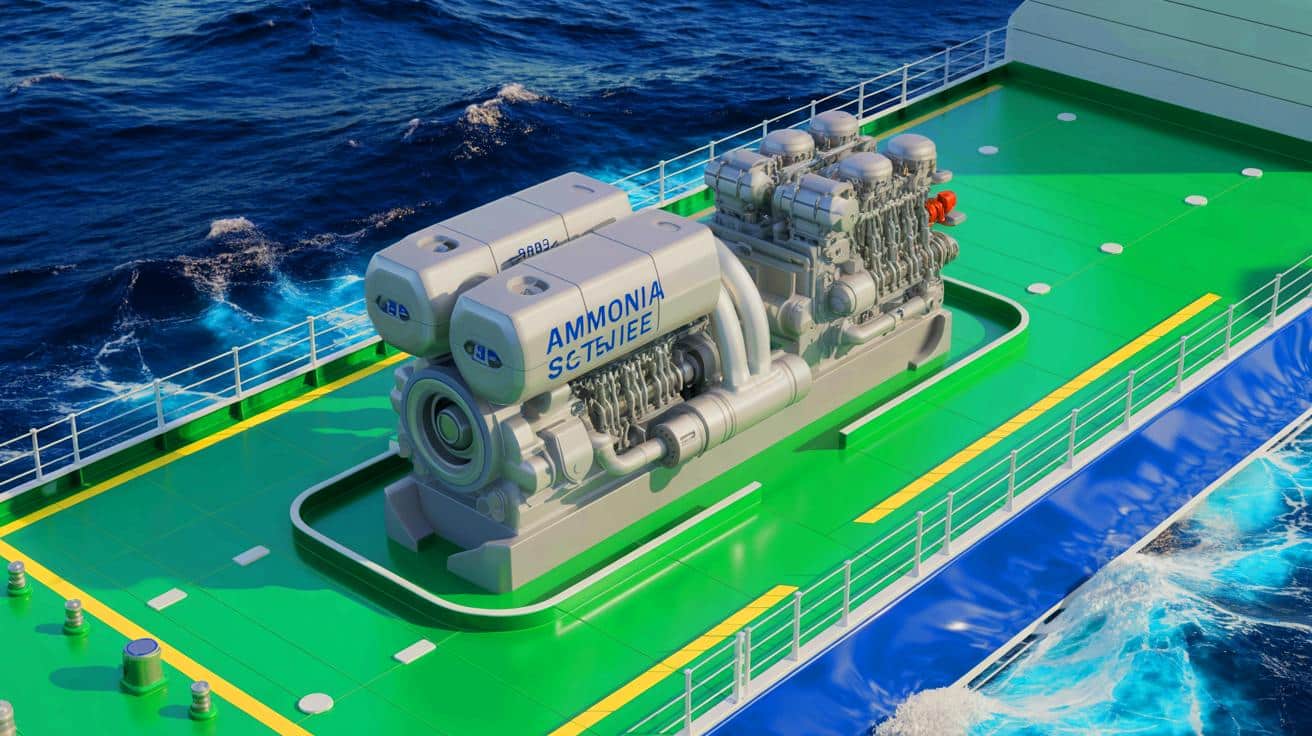
In a groundbreaking move, Japan Engine Corporation (J-ENG) has developed the world’s first commercial ammonia-powered ship engine. This innovation aims to transform maritime transport by significantly reducing greenhouse gas emissions. The engine, equipped with a dual-fuel system, can operate on both ammonia and heavy fuel oil, offering a cleaner alternative to traditional marine fuels. This advancement is part of the Green Innovation Fund Project, which seeks to promote sustainable maritime technologies. With the successful introduction of this engine, J-ENG sets a new standard for cleaner energy solutions in the shipping industry, paving the way for a more sustainable future.
Revolutionizing Maritime Transport
Japan Engine Corporation’s unveiling of the first ammonia-powered ship engine marks a transformative moment for maritime transport. This engine represents not only an engineering breakthrough but also a significant step in reducing the shipping industry’s environmental impact. By utilizing ammonia, a cleaner alternative to conventional marine fuels, the engine promises near-zero emissions, setting a new benchmark for future marine propulsion systems.
The dual-fuel capability of the engine is particularly noteworthy. It allows operators to seamlessly switch between ammonia and heavy fuel oil, ensuring flexibility and reliability. This adaptability is essential in a world where the demand for sustainable solutions is becoming increasingly urgent. The ability to transition smoothly between fuels provides a bridge to a greener future for the maritime sector.
Moreover, the engine is the product of rigorous development and testing, reflecting Japan’s commitment to advancing cleaner technologies. This innovative engine could set a new standard for the global shipping industry, encouraging other manufacturers to embrace sustainable practices and reduce their carbon footprint.
Tested and Certified for Excellence
The ammonia-powered engine underwent extensive testing, confirming its readiness for commercial deployment. Industry leaders and certification societies closely monitored the engine’s performance trials, which it passed with distinction. This certification underscores the engine’s exceptional environmental performance and operational safety.
Scheduled for installation on an Ammonia-Fueled Medium Gas Carrier (AFMGC) in October 2025, the engine is poised to embark on its first commercial voyage. This deployment marks a significant milestone in the journey toward sustainable maritime transport. The engine’s performance in real-world conditions will provide valuable insights, paving the way for future advancements in ammonia-fueled technology.
J-ENG’s achievement is the result of a meticulously planned development program. The company’s dedication to innovation and sustainability positions it as a leader in next-generation fuel engines. This accomplishment not only benefits Japan’s shipping industry but also contributes to global efforts to combat climate change.
Years of Innovation and Testing
The success of J-ENG’s ammonia engine is built on years of extensive research and testing. Initial trials began with a single-cylinder prototype, which provided valuable data that informed the development of the full-scale engine. Over 1,000 hours of rigorous testing focused on combustion optimization, leak prevention, and ammonia safety.
During these tests, the engine demonstrated remarkable efficiency and emissions reduction. At full load, it achieved a 95 percent ammonia co-firing rate, drastically cutting nitrous oxide emissions. This performance represents a more than 90 percent reduction in greenhouse gas emissions compared to conventional engines.
The engine’s sophisticated monitoring systems ensure the safe handling of toxic ammonia, safeguarding crew members during operation. These innovations underscore J-ENG’s commitment to safety and environmental sustainability. The data gathered from these trials will undoubtedly inform future developments in ammonia-fueled engines.
Looking Ahead: Future Developments
As J-ENG continues to innovate, the company is already planning the next phase of its ammonia engine development. A larger 23.6-inch bore engine is in the works, aimed at meeting the anticipated demand for ammonia-fueled vessels. This new engine is expected to be operational by fiscal year 2028, further advancing the adoption of clean energy in maritime transport.
J-ENG’s proactive approach to next-generation fuel engines positions it as a trailblazer in the industry. By promoting early market introduction and widespread adoption of these engines, the company contributes to Japan’s shipping and shipbuilding industries. Additionally, J-ENG’s efforts align with global goals for carbon neutrality by 2050, highlighting its role in the fight against climate change.
The company’s vision and commitment to sustainability are poised to leave a lasting impact on the maritime industry. As more companies follow J-ENG’s lead, the transition to cleaner fuels could accelerate, reshaping the future of global shipping.
As the world confronts the challenges of climate change, innovations like J-ENG’s ammonia engine offer a glimpse into a more sustainable future. However, the path to widespread adoption of clean fuel technologies is fraught with challenges. How will the maritime industry navigate the complexities of transitioning to greener propulsion systems, and what role will global collaboration play in this journey?