


“They’re Flinging Satellites Into Space”: SpinLaunch’s Giant Centrifuge Could End Rocket Launches - and Rewrite the Rules of Spaceflight
 By
Joseph Mwangi
By
Joseph Mwangi
| IN A NUTSHELL |
|
In a groundbreaking move, the California-based startup SpinLaunch is set to revolutionize the satellite deployment industry. Utilizing a centrifugal launch system, SpinLaunch proposes a more cost-effective and environmentally friendly alternative to conventional rocket launches. With plans to deploy hundreds of microsatellites into low-Earth orbit (LEO), the company aims to challenge industry titans like SpaceX. This innovative approach not only promises to reduce costs and environmental impacts but also marks a significant milestone in sustainable space exploration. As SpinLaunch prepares for its ambitious launches, the implications for the satellite industry are vast, offering both opportunities and challenges.
A New Era of Satellite Launches
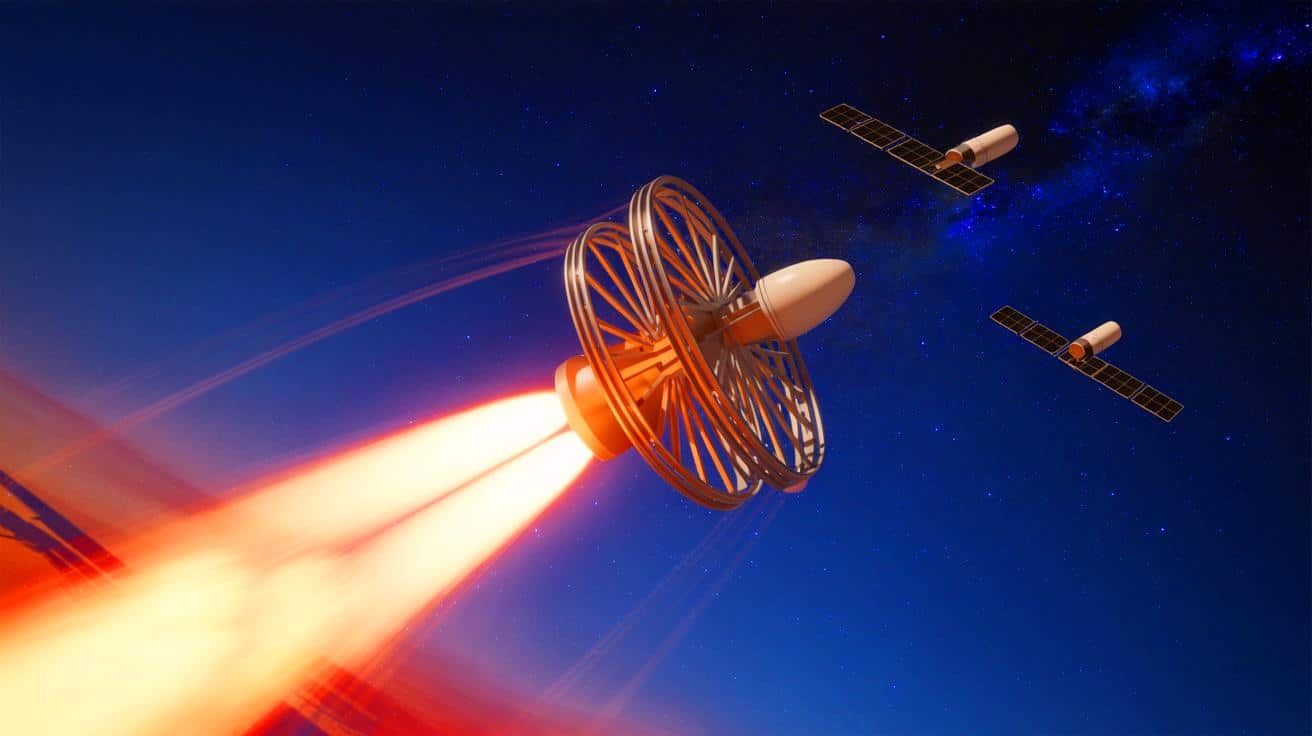
SpinLaunch is at the forefront of a new era in satellite launch technology, introducing a massive centrifugal cannon to send satellites into space. This pioneering approach seeks to reduce the costs and environmental repercussions associated with traditional rocket launches. At the heart of SpinLaunch’s initiative is the Meridian Space constellation, which plans to deploy its first batch of pancake-like satellites next year. These microsatellites are ingeniously designed, each spanning 7.5 feet and weighing about 154 pounds, offering a lighter alternative to traditional satellite models.
The satellites can be stacked in a uniquely designed “launch bus,” which increases efficiency and potentially sets new records for simultaneous launches. This strategy positions SpinLaunch as a serious competitor to SpaceX, currently holding the record for the most satellites launched at once. SpinLaunch’s innovative methodology represents a paradigm shift in satellite deployment, emphasizing efficiency and sustainability as the primary objectives.
The Revolutionary Launch System
SpinLaunch’s deployment strategy is centered around its revolutionary launch system, which uses a vacuum-sealed chamber and spinning arms to accelerate payloads. Known as the Suborbital Accelerator, this system has already made headlines by successfully launching ten rockets into suborbital space from New Mexico. The accelerator operates by spinning objects to speeds of up to 5,000 mph, subjecting them to forces as extreme as 10,000 Gs before propelling them into the upper atmosphere.
Successful test launches, most recently in September 2022, have laid a solid foundation for SpinLaunch’s upcoming orbital demonstrations. The company estimates that future commercial launches could cost between $1,250 and $2,500 per kilogram, a significant reduction compared to current methods. This cost efficiency, along with the elimination of greenhouse gas emissions and booster rockets, highlights a more sustainable approach to space travel, reducing environmental impact and minimizing space debris.
Implications for the Satellite Industry
The advent of SpinLaunch’s technology could transform the satellite industry by providing an affordable, eco-friendly launch option. This innovation is poised to challenge the status quo and reshape industry dynamics. The Meridian Space constellation aims to deliver high-speed communication services at a fraction of the current cost, potentially democratizing access to space-based services.
SpinLaunch’s plans for a larger Orbital Accelerator could enable up to five commercial payloads to be launched daily. This ambitious target promises to increase the frequency and accessibility of satellite launches, opening new avenues for industries dependent on satellite technology. However, this surge in activity presents challenges, such as potential spacecraft collisions, light pollution, and interference with astronomical observations. Addressing these issues is crucial for ensuring sustainable growth in the industry.
Looking Ahead: Challenges and Opportunities
While SpinLaunch’s innovations offer exciting prospects, they also pose challenges that warrant careful consideration. Increased satellite activity in LEO could exacerbate issues like space debris and atmospheric pollution from re-entering spacecraft. As SpinLaunch advances its ambitious plans, it is vital to balance growth with responsibility, ensuring sustainable solutions are in place.
The success of SpinLaunch’s forthcoming launches could redefine industry standards for satellite deployment, ushering in an era of greater accessibility and sustainability in space exploration. However, vital questions remain. How will the industry adapt to these shifts, and what proactive measures will be taken to mitigate the potential risks associated with increased activity in low-Earth orbit?
As SpinLaunch pushes the boundaries of satellite deployment, the industry stands on the brink of significant transformation. The balance between innovation and sustainability will determine the future of space exploration. How will these advancements shape the satellite industry, and what role will they play in the broader context of global communications and environmental stewardship?
Continue reading