

“We Thought the Problem Was Too Many People - Now It’s Too Few”: As Birthrates Plummet and Populations Age, the World Faces a New Kind of Crisis
 By
Nomvula Dlamini
By
Nomvula Dlamini
| IN A NUTSHELL |
|
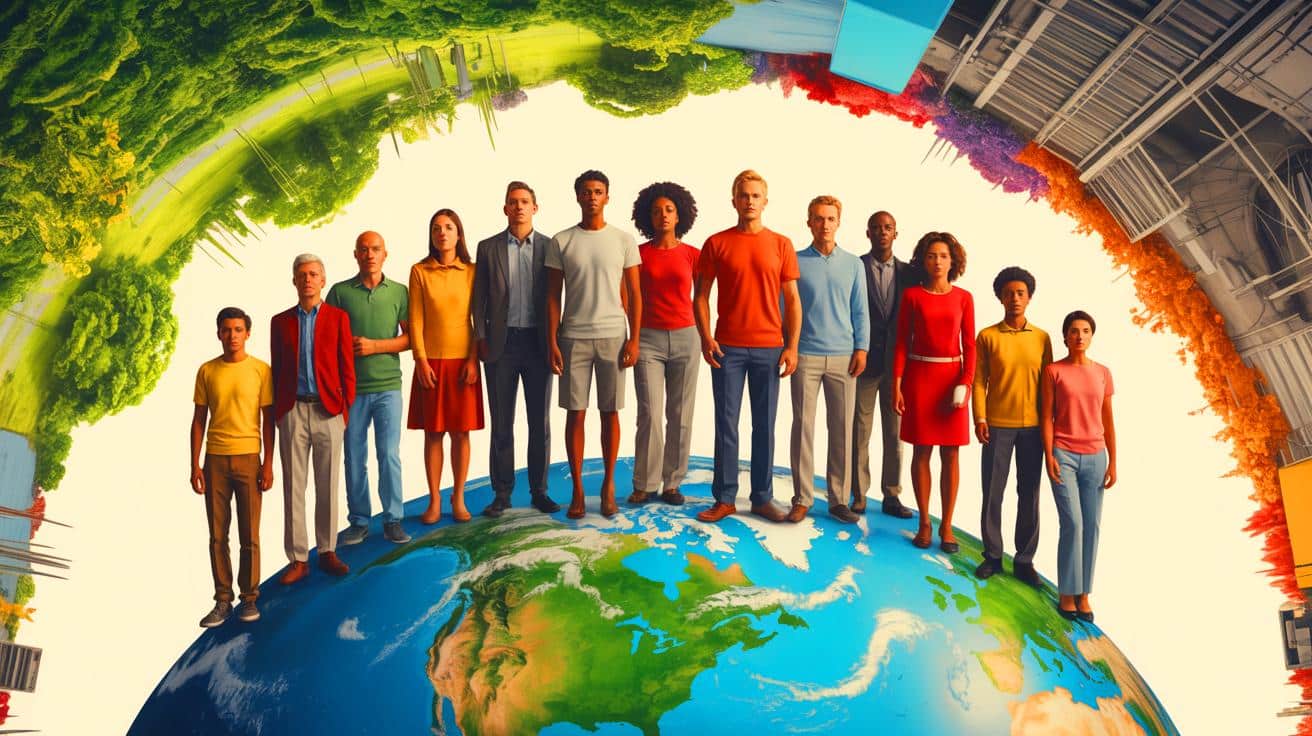
As global population trends evolve, the world stands at the brink of a demographic shift that could redefine societies. The United Nations projects that the world population will peak at 10.3 billion by 2080 and then begin a slow decline, dropping by 100 million by 2100. While this decline might sound alarming, experts argue that it’s a natural outcome of societal progress, including increased access to education and healthcare. The challenge lies in how nations will adapt to this new reality, requiring a balance between sustainable growth and innovative policies that support family welfare and economic stability.
Historical Concerns About Population Growth
The anxiety surrounding population growth is not a new phenomenon. Even in ancient times, thinkers like Plato expressed concerns about overpopulation. He believed that a city’s ideal population should be around 5,040 people, a stark contrast to modern Athens, which is home to millions. This historical perspective underscores a long-standing tension between human expansion and environmental sustainability. Today, our planet faces immense pressure from human activities, evident in phenomena such as the formation of “plastistone” and the ongoing sixth mass extinction. These environmental challenges highlight the need to reconsider how many people the Earth can support without compromising the quality of life.
As the world population reached 8 billion in 2022, a fourfold increase from the early 20th century, the ecological footprint of humanity has become increasingly visible. The Global Footprint Network marks Earth’s Overshoot Day, the date when humanity’s demand on nature exceeds what Earth can regenerate in a year. In 2025, this day fell on July 24, indicating that we are consuming resources at an unsustainable rate. This situation calls for urgent action to address the balance between population growth and ecological preservation.
The Implications of Declining Fertility Rates
While a declining global population might seem like a solution to ecological stress, it brings its own set of challenges. Fertility rates are dropping, particularly in developed countries, due to factors such as increased women’s education, career opportunities, and the rising cost of raising children. This shift reflects deeper societal changes and challenges, including broken systems that fail to support families adequately. Experts emphasize that declining fertility rates are not merely a demographic issue but a reflection of societal shortcomings.
Stuart Gietel-Basten, a sociologist, highlights that low fertility rates indicate broken institutions that prevent individuals from having their desired number of children. As societies grapple with these challenges, policymakers are urged to implement measures that address the root causes of declining fertility. This includes creating environments where families can thrive through policies that provide financial support, reduce childcare costs, and ensure work-life balance.
Economic and Social Consequences
The demographic shift towards an aging population poses significant economic challenges. Fewer births translate into a smaller workforce, potentially stunting economic growth and putting pressure on social welfare systems. The pro-natalist movement argues that more births are essential for sustaining innovation and economic vitality. However, simply encouraging higher birth rates overlooks the complexity of the issue.
Some governments have proposed radical measures, such as taxing childless individuals, to counteract declining birth rates. However, experts caution against simplistic solutions. Instead, they advocate for comprehensive approaches that include progressive social policies, such as paid parental leave and investments in early childhood education. These measures not only support families but also contribute to a healthier, more hopeful society.
The Role of Immigration and Policy Innovation
In addition to domestic policy changes, immigration is a vital component of addressing demographic challenges. However, rising authoritarianism and anti-immigrant sentiments have made it a contentious issue. Despite this, experts argue that immigration is crucial for maintaining population levels and supporting economic growth.
Countries must embrace immigration as part of a broader strategy to adapt to demographic shifts. This involves crafting policies that facilitate integration and provide opportunities for immigrants to contribute positively to society. Rebecca Zerzan from the UN Population Fund emphasizes the importance of creating environments where individuals are happier, healthier, and more hopeful. By fostering such environments, societies can better navigate the challenges of a declining population and pave the way for a prosperous future.
As the global population trajectory shifts, the future remains uncertain. Nations must act decisively to implement policies that balance population dynamics with sustainable development. The question remains: How will societies adapt to these demographic changes, and what innovative solutions will emerge to ensure a thriving global community?