


“It Started by Mistake”: This Accidental Copper Experiment Unleashed the Iron Age (and changed the course of human history)
 By
Kwame Asante
By
Kwame Asante
| IN A NUTSHELL |
|
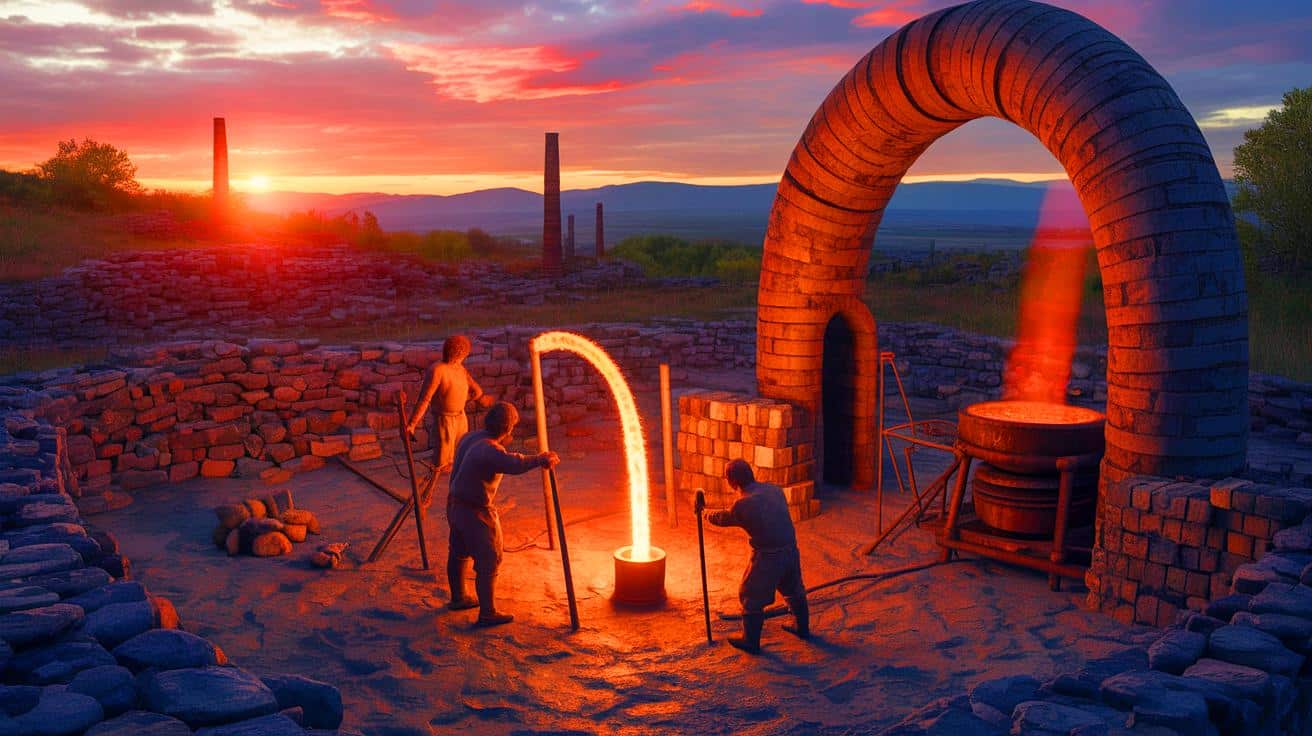
The transition from the Bronze Age to the Iron Age marked a significant cultural and technological shift in human history. This transformation may have been sparked by an unexpected experiment at a copper smelting site in ancient Georgia, according to recent research. For years, the Kverno Bolnisi site was believed to be an early example of iron smelting due to the presence of iron oxide and slag. However, new findings suggest that the site was actually used for copper smelting, and the use of iron oxide was simply an attempt to enhance copper production. This accidental discovery could have inadvertently led to the dawn of the Iron Age, reshaping the trajectory of human civilization.
The Accidental Birth of the Iron Age
The Iron Age was not a planned transition but rather a serendipitous accident, as suggested by recent archaeological studies. Researchers initially thought ancient smelting sites like Kverno Bolnisi in Georgia were early iron production hubs. However, these sites were primarily focused on copper smelting. The presence of iron oxide, once thought to be evidence of iron smelting, was actually used as a flux to improve copper yields. This experimentation with materials might have inadvertently laid the groundwork for the Iron Age. The accidental discovery of iron smelting techniques marked a profound cultural shift, changing the landscape of human development.
This transition is a testament to human ingenuity and the role of experimentation in technological advances. The accidental nature of this discovery highlights how seemingly small innovations can lead to monumental changes. As the Bronze Age gave way to the Iron Age, societies experienced a complete transformation, with new tools and technologies emerging. The refinement of iron production techniques eventually led to the widespread use of iron, influencing countless aspects of daily life and warfare.
Understanding Iron: A Precious Commodity
Iron, despite being one of the Earth's most abundant elements, took centuries for humans to master. In ancient times, the rarity of naturally occurring metallic iron, primarily found in meteorites, made it more valuable than gold. The advent of the Iron Age marked a turning point, as societies learned to extract iron from ore through smelting. This newfound ability to produce iron revolutionized tool-making and weaponry. The impact of iron on historical events cannot be overstated, with civilizations like Assyria and Rome harnessing its power to expand their empires.
Iron has been described as the "world's quintessential industrial metal," a sentiment echoed by archaeologist Nathaniel Erb-Satullo. The challenges in tracing the origins of iron smelting stem from the lack of written records and the natural tendency of iron to rust. Despite these obstacles, the discovery at Kverno Bolnisi provides crucial insights into the early use of iron. This site sheds light on how ancient metalworkers began to recognize iron oxide as a distinct material, setting the stage for the development of iron metallurgy.
The Role of Experimentation in Metallurgy
Experimentation played a pivotal role in the evolution of metallurgy. At the Kverno Bolnisi site, metalworkers were seen stockpiling and using iron oxides intentionally. This deliberate use of iron oxide fluxes in copper smelting is considered one of the earliest examples of such practices. These findings challenge previous theories about the origins of iron metallurgy and suggest that copper smelters were instrumental in its development. The experimentation with iron oxides and their thermodynamic properties laid the groundwork for the eventual mastery of iron production.
The implications of these discoveries extend beyond the historical context. They underscore the importance of understanding the processes behind technological advancements. The willingness to experiment and adapt existing knowledge to new contexts is a hallmark of human progress. As researchers continue to unearth evidence from ancient sites, our understanding of the past will undoubtedly evolve, offering new perspectives on how ancient societies innovated and thrived.
The Lasting Impact of the Iron Age
The ripple effects of the Iron Age are still felt today. The ability to produce iron on a large scale revolutionized industries, from construction to transportation. Iron became a cornerstone of the Industrial Revolution, facilitating the development of railroads and steel-frame buildings. Its impact on modern infrastructure underscores the significance of the accidental discoveries made thousands of years ago. As we reflect on the origins of the Iron Age, we are reminded of the interconnectedness of innovation and progress.
Today, as we explore new frontiers in technology and materials science, the lessons of the Iron Age remain relevant. The spirit of experimentation and the pursuit of knowledge continue to drive advancements in various fields. As we uncover more about our past, how might these ancient discoveries inform our understanding of future innovations?
Continue reading