

“They’re Growing a Million Strawberries Indoors”: Dyson’s Robot-Powered Vertical Farm Could Redefine How Britain Eats
 By
Nomvula Dlamini
By
Nomvula Dlamini
| IN A NUTSHELL |
|
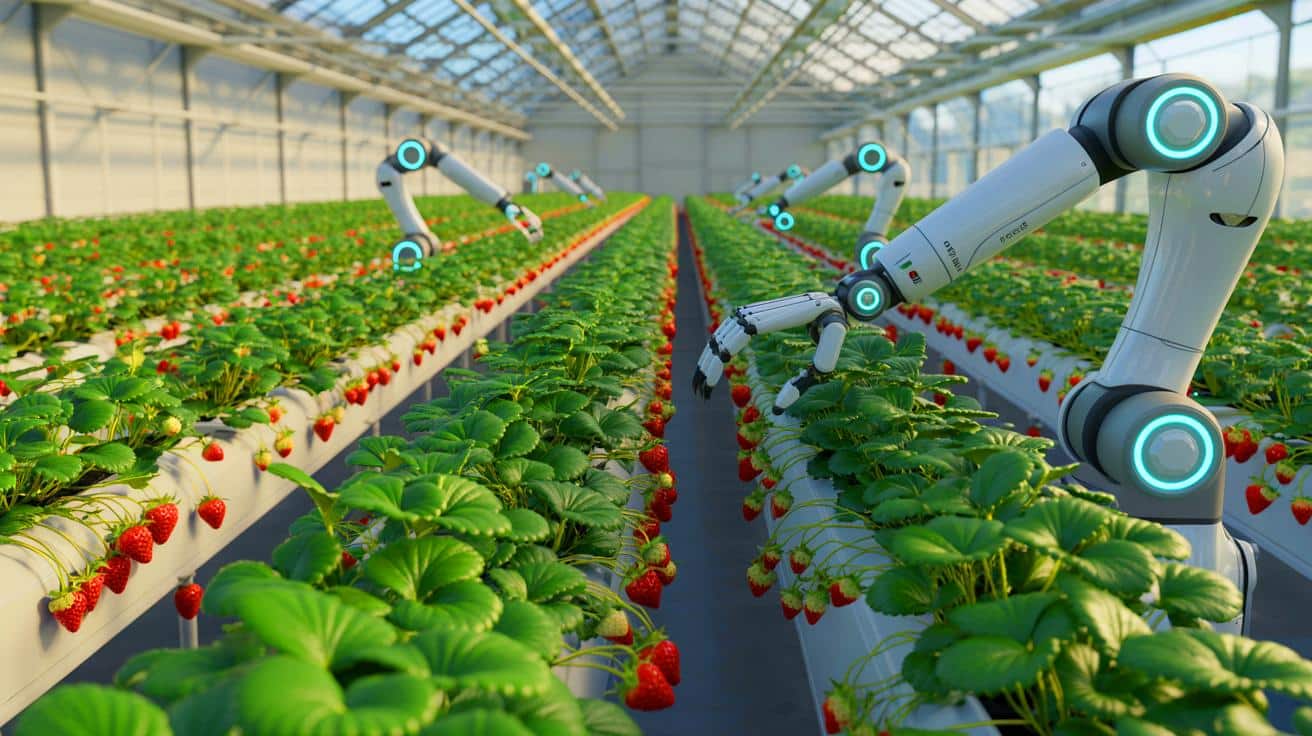
In the heart of Lincolnshire, England, a revolutionary approach to agriculture is taking root, literally and figuratively. Dyson, a company traditionally known for its cutting-edge appliances, has embarked on an ambitious venture into vertical farming. This initiative is not just an experiment in modern agriculture but a potential blueprint for sustainable food production. Inside a sprawling 26-acre glasshouse, Dyson is cultivating over a million strawberry plants using innovative techniques and technology. This endeavor not only aims to boost local food production but also represents a significant step towards reducing the carbon footprint associated with importing produce.
Revolutionizing Agriculture: Dyson’s Vertical Farming Vision
James Dyson, the founder of Dyson, is no stranger to innovation. Known for revolutionizing household appliances, Dyson is now applying his expertise to agriculture. “Growing things is like making things,” he asserts, emphasizing the parallels between manufacturing and farming. At the core of Dyson’s vertical farming operation are enormous wheels, each weighing approximately 1,100 pounds, designed to optimize sunlight exposure for strawberry plants. These wheels, measuring about 78 feet long and 16 feet tall, represent the largest rig Dyson has ever constructed.
The company’s approach leverages state-of-the-art robotics and automation. Robots equipped with UV lights patrol the glasshouse, preventing mold growth by sanitizing the plants. Additionally, distributor bots release beneficial insects to combat pests, ensuring the strawberries remain healthy without the use of harmful pesticides. This sophisticated use of technology not only enhances efficiency but also aligns with Dyson’s commitment to sustainability.
Harnessing Renewable Energy for Sustainable Growth
Dyson’s vertical farming operation is as much about sustainability as it is about innovation. The facility is powered by an onsite anaerobic digester, which converts gases from grain into energy. This process not only supplies power to run the farm but also produces excess heat used to maintain optimal temperatures within the greenhouse. The byproduct, known as “digestate,” serves as an organic fertilizer, enriching the soil and closing the loop in this eco-friendly system.
Water management is another critical component of Dyson’s sustainable strategy. Rainwater collected from the glasshouse’s expansive roof is used to hydrate the plants, significantly reducing reliance on external water sources. Moreover, the farm maximizes natural light, minimizing the need for artificial lighting and further reducing energy consumption. This holistic approach ensures that the farm operates with minimal environmental impact while maximizing output.
Local Production with Global Implications
By cultivating strawberries locally in the UK, Dyson’s farm addresses several pressing issues in modern agriculture. The production cycle, synchronized with the UK’s climate, reduces the need for imports during the off-season, thereby cutting down on transportation emissions. This not only enhances food security but also keeps the produce fresher and more sustainable.
The farm’s output is already making its way to consumers. Dyson strawberries are available in select Marks and Spencer stores and local farm shops, showcasing the potential for high-tech agriculture to meet consumer demand. As Dyson continues to refine its techniques, the implications extend beyond the UK. The model presents a scalable solution for regions facing challenges in food production due to climate constraints or limited arable land.
The Future of Farming: A Technological Revolution
Dyson’s venture into farming is more than an isolated experiment; it is a glimpse into the future of agriculture. As global populations grow and climate change impacts traditional farming, efficient, high-technology agriculture becomes increasingly vital. Dyson’s approach underscores the role of innovation in ensuring food security and environmental sustainability.
The integration of technology in farming, from robotics to renewable energy, highlights the potential for agriculture to evolve alongside other industries. “Sustainable food production, food security, and the environment are vital to the nation’s health and economy,” Dyson notes. As the company continues to push boundaries, it sets a precedent for others to follow, inviting a broader conversation on the future of food production.
As Dyson’s vertical farming initiative gains momentum, it raises important questions about the role of technology in agriculture. How can such innovations be adapted to different climates and scales to ensure global food security? And what role will traditional farming techniques play as we move towards a more technologically driven future? The answers to these questions will shape the next chapter in the story of agriculture.