



“They Smell Nice - But Pollute Like Cars”: Purdue Scientists Warn Scented Products Can Fill Homes With Harmful Nanoparticles
 By
Nomvula Dlamini
By
Nomvula Dlamini
| IN A NUTSHELL |
|
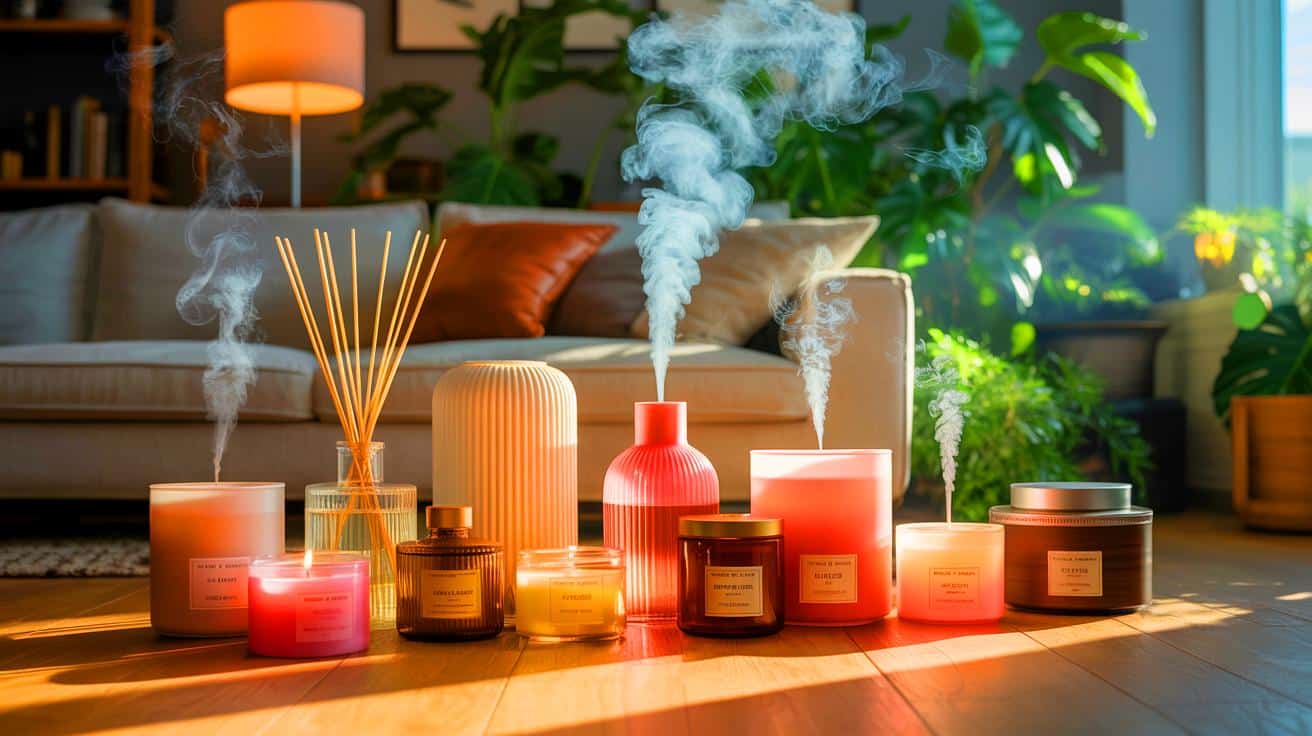
Indoor air pollution is often associated with external sources like car exhaust and industrial emissions. However, a new study reveals that our everyday scented products could be equally harmful. Researchers from Purdue University have discovered that using items such as scented, non-combustible candles indoors can significantly alter air quality. These products emit nanosized particles that can penetrate deep into our lungs, potentially leading to serious health risks. This revelation challenges our perceptions of air pollution and underscores the importance of evaluating what we introduce into our living spaces.
The Hidden Dangers of Scented Products
When most people consider air pollution, they think of outdoor environments laden with vehicle emissions and factory smoke. However, recent research has highlighted a surprising source of indoor air pollution: scented products. According to Purdue University’s latest study, products like flame-free candles are significant contributors to nanosized particles in the air. These particles are small enough to enter the respiratory system and could pose a threat to health. The study, led by Assistant Professor Nusrat Jung, suggests that the allure of recreating natural environments in our homes with chemically scented products might inadvertently compromise air quality.
The research highlights the role of terpenes, aromatic compounds found in many scented items. When these compounds interact with indoor ozone, they form new particles, altering air chemistry. These findings prompt a reevaluation of how we perceive scented products, traditionally marketed as safe and non-toxic. The reality is that their use could be as detrimental as the very pollutants we seek to avoid outside.
Insights from the Tiny House Lab
To understand the impact of everyday activities on indoor air quality, researchers utilized Purdue’s zEDGE lab, a “tiny house” designed to study energy efficiency and air quality. This setting allowed scientists to observe the formation of nanoparticles, particularly those stemming from scented wax melts. The lab was equipped with sensors to monitor the presence and concentration of these particles, providing a comprehensive view of how indoor activities affect air quality.
Brandon Boor, an associate professor at Purdue, emphasized the importance of measuring nanoparticles at the smallest scale. This approach allowed the team to witness the earliest stages of particle formation. The study found that activities like warming scented wax melts significantly increased particle concentrations, reaching levels comparable to those produced by traditional candles and even diesel engines. Such findings highlight the potential health risks associated with scented product use indoors, challenging the perception that these products are a benign addition to our living environments.
Health Implications of Inhaled Nanoparticles
The health implications of inhaling nanoparticles from scented products are concerning. The study measured the respiratory tract deposited dose rates (RD), which indicate the number of particles that settle in the respiratory tract over time. The findings revealed that scented wax melts could produce a median RD of 29 billion particles per minute, with most particles depositing in the upper airways. Due to their small size, these particles can migrate between cells and potentially enter the bloodstream, reaching critical organs like the brain.
While the full health impacts of inhaled terpenes remain under study, the potential for respiratory and systemic health issues is evident. This research underscores the need for further investigation into the long-term effects of indoor air pollution caused by everyday scented products. Until more is understood, individuals may need to reconsider their use of such products, especially in poorly ventilated spaces.
Implications for Building Design and Ventilation
The study’s findings have significant implications for building design and ventilation systems. As Jung points out, fragranced products are active contributors to indoor air pollution, and their impact should be considered in the design and operation of buildings. Effective heating, ventilation, and air-conditioning (HVAC) systems can help mitigate exposure to harmful nanoparticles.
Integrating research findings into architectural design could lead to healthier indoor environments. Building codes and standards may need reevaluation to address the air quality challenges posed by common household products. As this research continues to unfold, it presents an opportunity for architects and engineers to innovate solutions that prioritize occupant health and safety.
The revelation that scented products can significantly impact indoor air quality is a wake-up call for many. As we strive to create pleasing environments within our homes, it’s essential to balance aesthetics with health considerations. This study invites us to question not just what we bring into our homes, but also how we can adapt our living spaces to ensure safety and well-being. How might this new understanding of indoor air pollution change the way we design and maintain our homes in the future?