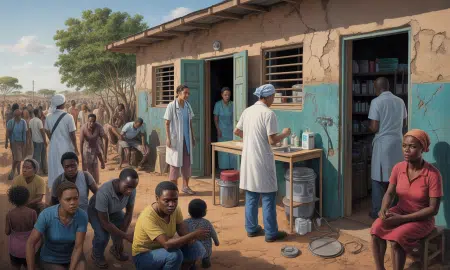




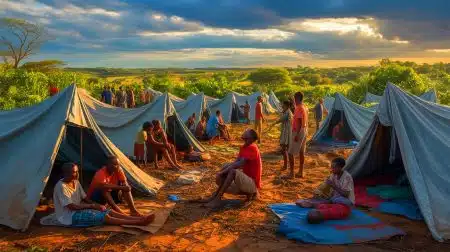
Water scarcity is emerging as a significant driver of global conflict, with its impact spanning across various regions and nations. In 2017, water-related issues were identified as factors in conflicts in at least 45 countries, including Syria. The prolonged drought in Syria from 2006 to 2011 led to crop failures, livestock deaths, and mass migration to urban areas, contributing to the civil war that erupted in 2011.
The World Economic Forum’s Global Risk Report has consistently ranked water crises among the top five global risks in terms of impact. The interconnectedness of water scarcity with other risks, such as extreme weather events, climate change, and migration, exacerbates the potential for conflict. Approximately two-thirds of the global population, or 4 billion people, experience insufficient access to fresh water for at least one month each year.
The increasing demand for water due to economic development, agriculture, and industry, coupled with poor management, pollution, and climate change, further strains water resources. In regions like the Inner Niger Delta in Mali, disruptions to water sources through infrastructure projects can destabilize ecosystems and communities, leading to social tensions and displacement.
Addressing water scarcity requires a multifaceted approach, including improved water management, international cooperation, and sustainable development practices. Failure to act could lead to further instability and conflict, highlighting the urgent need for global attention to water security.
Note: This revised article is based on information from the World Economic Forum’s original article titled “Water is a growing source of global conflict. Here’s what we need to do.”


Great article! 🌍 Water scarcity is indeed a crucial issue that needs more attention.
How does water scarcity specifically lead to conflict? 🤔
Thank you for highlighting this important issue. More people need to be aware of the consequences of water scarcity.
Is desalination a viable solution for regions facing extreme water scarcity?
This makes me wonder why governments are not doing more to address this problem.
Can water scarcity actually cause wars, or is it more of a contributing factor?
Interesting read, but I feel like the article could have included more on potential solutions.
How does the water crisis in Syria compare to other countries in terms of severity?
Water scarcity is like a ticking time bomb 💣. We need action now!
So, what’s the role of climate change in all of this?