



Africa’s influence on global music and arts
 By
Nomvula Dlamini
By
Nomvula Dlamini
|
IN A NUTSHELL |
|
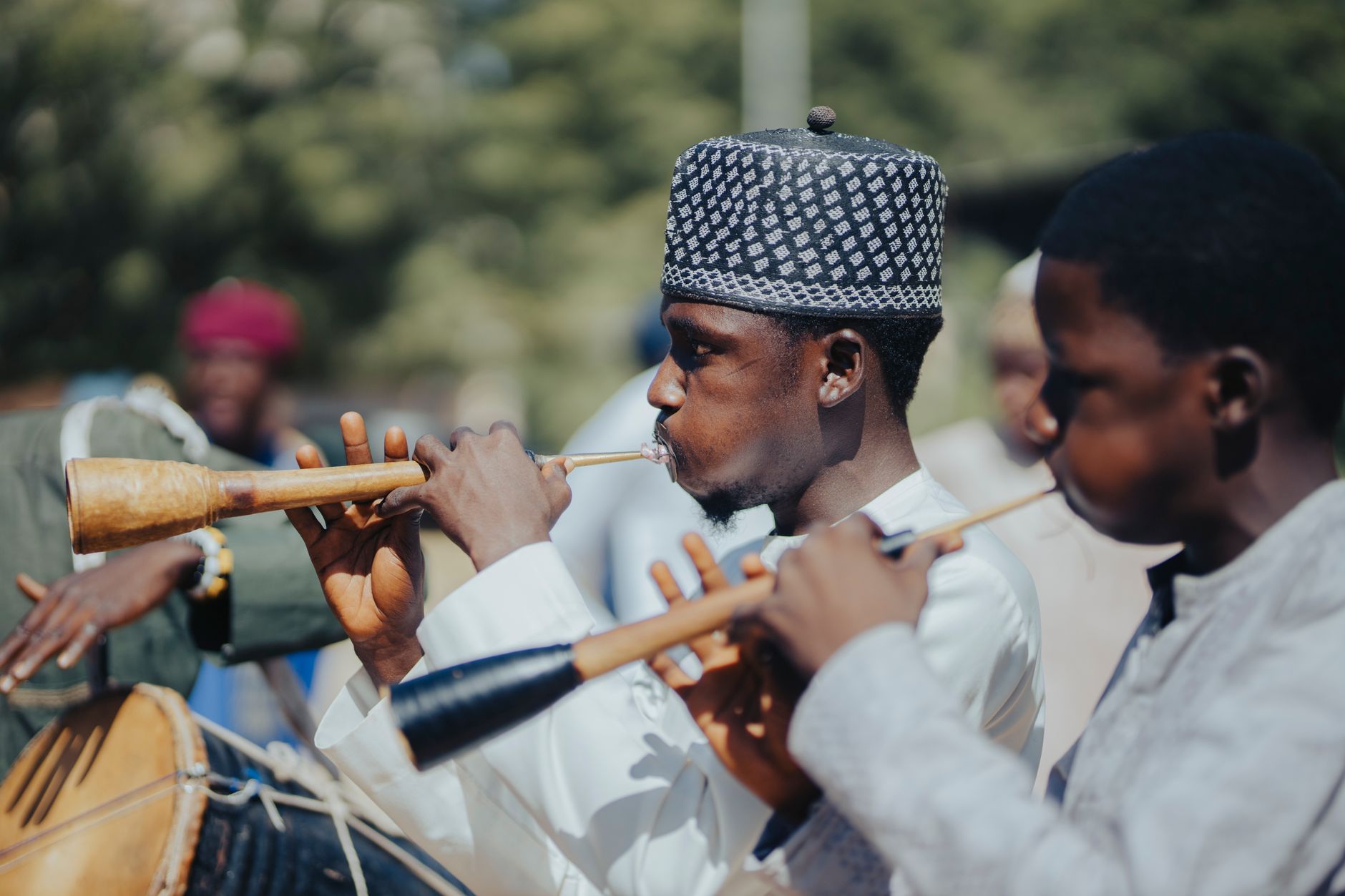
On International Music Day, it is impossible to ignore the commanding role that Africa now plays in shaping the global soundscape. From the polyrhythms and call-and-response frameworks of traditional ensembles to the expressive voices of instruments like the djembe, kora, and mbira, African artistic practice has been an engine of innovation. Those rhythmic and narrative principles fueled the emergence of jazz, helped define early rock and roll, and resurfaced in the oral traditions that became hip-hop. Today the continent is not merely contributing sounds; it is leading trends: Afrobeats, amapiano, and contemporary African pop regularly reframe mainstream production, collaborations, and playlists worldwide. Artists such as Tems, Ayra Starr, and Tyla illustrate how local authenticity can translate into global reach, while streaming and cross-continental collaborations erase old hierarchies. This is cultural influence as power – sonic, linguistic, and sartorial – and it compels labels, festivals, and media to adapt their definitions of popular music. Markets and audiences are responding.
Traditional roots and instruments
African art in music begins with practices that are both communal and highly technical. The continent’s sonic legacy thrives on polyrhythms, layered textures and performance systems where music is not merely entertainment but a social instrument that organizes memory, ritual, and identity. Call-and-response is not a quaint relic; it is a functioning architecture of participation that underpins how ensembles negotiate space and meaning. The authority of the lead voice and the agency of the chorus create interactive dynamics that modern producers repurpose as hooks and refrains.
The material culture of sound – instruments such as the djembe, the talking drum, the kora and the mbira – encodes melodic and timbral options that global artists repeatedly mine. Percussion instruments supply more than rhythm: they encode language, tempo shifts, and call signs. The kora’s harp-lute phrasing and the mbira’s interlocking cycles inform melodic repetition and trance-inducing grooves in ways that Western notation has trouble capturing. This is why many contemporary producers insist that studying these instruments changes their approach to rhythm and arrangement.
Arguing for African art as foundational is not romanticism; it is evidence-based. Ethnomusicological study and contemporary sampling practices show direct lineage from traditional forms to popular idioms. The sonic vocabulary of African instruments and performance strategies has been translated into drum machine patterns, sample packs, and live setups across continents. Evidence of this transmission can be traced through field recordings, oral histories, and the persistent reappearance of African timbres in global hits.
For a concise exploration of how these traditions have been publicized and contextualized in modern discourse, resources such as museum and academic summaries and regional platforms synthesize the technical and cultural stakes at play. Rejecting the notion that African music is peripheral is not political correctness; it is a reallocation of credit where historical processes actually occurred.
Rhythmic structures shaping genres
Polyrhythm and syncopation are not decorative features grafted onto Western forms; they are structural engines that created entire genres. Jazz’s swing and improvisation, rock’s backbeat inversion, and hip-hop’s breakbeat culture all trace functional elements back to African rhythmic concepts. The argument that African-derived rhythmic strategies reoriented modern music explains why musicians across eras claim these roots: the techniques offered novel ways to conceive time and groove.
What appears as stylistic borrowing is better understood as a methodological inheritance. Jazz musicians internalized African-derived syncopation and call-and-response to push improvisation into socially communicative spaces. Rock’s insistence on driving rhythm and aggressive accent placement borrows the forward propulsion and stress patterns prevalent in African percussion traditions. Hip-hop’s lineage to West African oral historians, the griot tradition, surfaces in rap’s storytelling, cadence, and community function.
The table below clarifies concrete links between African elements and modern genres:
| Genre | African elements | Illustrative artists/practices |
|---|---|---|
| Jazz | Polyrhythm, call-and-response, emphasis on improvisation | Louis Armstrong, Ella Fitzgerald; modern jazz ensembles sampling African patterns |
| Rock & roll | Syncopated guitar riffs, backbeat emphasis, vocal stylings | Chuck Berry, Bo Diddley; later rock artists referencing blues and R&B roots |
| Hip-hop | Oral storytelling, rhythmic speech patterns, repetition | Early MCs; contemporary rappers who sample West African griot music |
Mapping these connections is not merely academic. It reveals how innovation circulates: cultural techniques become industry standards once they prove commercially and emotionally effective. For debates about cultural appropriation versus exchange, an honest mapping emphasizes lineage and agency: African aesthetics were never passive inputs but active, formative forces that shaped the very grammar of modern musical genres.
Contemporary diaspora and global charts
The current global soundscape demonstrates an argument already made by artists and audiences: Africa is not peripheral but central. Afrobeats, amapiano and contemporary African pop are not niche trends; they are market-shifting phenomena that have altered playlist algorithms, radio rotations, and touring economies. Streaming data and headline collaborations make a convincing case that African music is transforming global taste rather than merely decorating it.
Numbers matter when asserting influence. Reports and analysis show dramatic growth in Afrobeats streaming, while Nigerian, South African and Kenyan artists headline festivals and sell out arenas internationally. Profiles of artists like Tems, Ayra Starr and Tyla demonstrate that artistic innovation and strategic collaborations lead to sustained global visibility rather than ephemeral virality. These artists synthesize local forms with global pop grammar, maintaining cultural specificity while maximizing international resonance.
The argument that Africa “holds the mic” is reinforced by critical discourse and industry reporting. Coverage such as the overview at Moutek Media or broader cultural analysis at World Cultural Threads situates streaming statistics within cultural trajectories. Claims of ownership over global sound must acknowledge the strategic creativity and infrastructural investments that African artists and labels have made.
Critics who minimize this shift rely on outdated metrics. Traditional gatekeepers remain powerful, but market realities demonstrate that African forms are shaping popular music programming across geographies. The diaspora effect is not one-way; global platforms adapt to African rhythms as much as artists adapt Western production techniques. This reciprocity is the evidence of a new musical equilibrium.
Cultural exchange beyond sound
Arguing that African influence is limited to sonic features misses the larger point: this influence extends to fashion, language, dance, and visual identity. Music acts as the vector through which aesthetic practices travel, and once they arrive, they change local industries and consumer preferences. Fashion houses incorporate African textiles and silhouettes; filmmakers and designers borrow motifs; slang and idioms enter mainstream vernacular.
Cultural adoption without credit is common, but factual tracing of influence undermines narratives that portray African sources as optional embellishments. Cross-continental collaborations, from producers to choreographers, make the exchange visible and commercially potent. European pop producers integrate Afrobeats cadence into dance tracks; Asian markets sample amapiano rhythms; and Latin artists fuse reggaeton with African percussive sensibilities. This is not simple mimicry but a complex negotiation of ownership, authenticity, and market logic.
Academic and journalistic resources document this diffusion and its cultural consequences. Analyses such as those at Bridge to Music and cultural observations at Welcome Africa show how musical forms catalyze broader cultural shifts. To underestimate the non-musical spillover is to misread the scale of transformation that African artistry produces.
Policy and industry actors must recognize that exchange entails responsibility. Proper attribution, equitable revenue-sharing and investment in local creative infrastructure are not charitable – they are necessary corrections to historical imbalances. Cultural influence becomes ethical leverage only when it is paired with mechanisms that sustain the original creators and communities.
Political and technological context
Arguing for Africa’s cultural ascendancy without addressing the political and technological scaffolding is inadequate. Streaming platforms, distribution networks, and regional investment determine who benefits financially and who remains an aesthetic donor. Technology lowers distribution costs but also centralizes gatekeeping in the hands of a few platforms whose algorithms favor scale. That reality shapes which African sounds penetrate global markets and which remain localized.
Infrastructure is as decisive as artistry. Coverage of Africa’s development trajectory – including analyses of technological investment and media ecosystems – contextualizes cultural exports. Sources like Africa Times on tech development and reports on environmental and infrastructural pressures, such as those at Africa Times on ecosystems, complicate the narrative. Even sensational reporting about the continent’s geophysical anomalies, for instance pieces cataloged at AfricaTimes and a related feature, enters discourse because environmental realities affect communication, touring logistics, and platform reliability.
At the same time, historical and anthropological insights into ancient social technologies – for example, ritualized substances or governance strategies discussed in accessible pieces like AfricaTimes on ritual substances – are sometimes weaponized in external narratives. The correct response is to foreground structural explanations: economic policy, digital infrastructure, and creative rights frameworks determine whether cultural influence translates into durable power.
For readers interested in cultural reportage that ties music to social trends, long-form pieces such as Moutek Media and curated overviews like World Cultural Threads provide entry points. Policy attention, investment, and honest credit are the levers that will decide whether African artists reap the full benefits of the global appetite they have created.
Closing Analysis on Africa’s Impact
The assertion that Africa is merely an influence among many underestimates its foundational role in shaping modern music and arts. Historical practices such as call-and-response, complex polyrhythms, and communal performance established templates that were later adapted into genres worldwide. When jazz, rock, and hip-hop emerged, they did not simply borrow isolated features; they internalized structural principles that altered composition, performance, and audience interaction. This is not cultural borrowing in the passive sense – it is structural transformation.
Instruments and performance traditions like the djembe, talking drum, kora, and mbira exemplify how material culture transmits aesthetic logic. These instruments carry distinct rhythmic and melodic vocabularies that producers and performers have repurposed across contexts, producing new hybrid forms such as Afrobeats and amapiano. The argument that African art is peripheral collapses when one observes how these sounds now dictate global pop production choices and streaming trends.
Equally important is the intellectual lineage from Griot storytelling to contemporary lyrical practices. Oral histories established a precedence for narrative authority and community-centered discourse that hip-hop and modern African pop have amplified on a global scale. This continuity demonstrates that Africa’s contribution is not only sonic but also epistemological: it supplies frameworks for meaning, identity, and resistance that artists everywhere adopt and adapt.
Ultimately, evaluating influence requires measuring power, not just presence. Current streaming surges, festival headliners, and cross-continental collaborations show that Africa is not waiting at the table – it is setting the agenda. To ignore this reality is to misunderstand how cultural capital moves in the 21st century. The evidence compels a reassessment: African art is not an influence among equals; it is a driving force remaking the global musical and artistic landscape.
Frequently Asked Questions about Africa’s Influence on Global Music and Arts
Q: What specific elements of African art have driven its global musical influence?
A: The influence is not incidental but structural: polyrhythms, call-and-response, oral storytelling, and distinctive timbres from instruments like the djembe, kora, and mbira form a toolkit that reshapes melody, rhythm, and performance worldwide. These elements provide both the raw material and the performance logic that genres borrow and adapt.
Q: How did African traditions shape jazz?
A: Arguably, jazz is a direct descendant of African musical thinking: its emphasis on improvisation, syncopation, and layered rhythms reflects African drumming practices and communal performance customs. Iconic jazz figures adopted and transformed these tools, making jazz a site where African-derived techniques became core musical vocabulary rather than mere ornamentation.
Q: In what ways did rock and roll emerge from African-rooted music?
A: Rock and roll inherited its propulsion from rhythm and blues, itself steeped in African-American transformations of African forms. The persistent backbeat, syncopated guitar patterns, and certain vocal deliveries are extensions of African rhythmic emphasis; pioneers like Chuck Berry and Little Richard amplified these traits into a global phenomenon, proving the argument that rock’s energy traces back to African-derived aesthetics.
Q: Can we trace hip-hop back to African practices?
A: Yes. Hip-hop’s verbal dexterity, narrative focus, and communal role mirror the griot tradition of West Africa – oral historians and poets who preserved social memory. The transformation is not superficial: hip-hop operationalizes storytelling and social critique in ways that continue a centuries-old African practice adapted to urban modernity.
Q: Which African instruments have made the most visible impact internationally?
A: Instruments such as the djembe (percussive power), the talking drum (tonal communication), the kora (melodic complexity), and the mbira (cyclical patterns) have been sampled, borrowed, and reinterpreted across genres. Their sounds have shaped production choices, rhythmic architecture, and even the sonic branding of contemporary pop and electronic music.
Q: Is contemporary African music merely a rising trend or a reshaping of the global industry?
A: Evidence suggests it’s transformative rather than ephemeral. The explosion of Afrobeats, amapiano, and African pop – backed by dramatic streaming growth and stadium tours for artists like Burna Boy and Wizkid – supports the argument that Africa is not the “next” big thing but a current powerhouse redefining global tastes and industry priorities.
Q: How have other regions integrated African sounds into mainstream music?
A: Regions from Europe to Asia and the Americas have adopted African-derived rhythms and production techniques – often blending them with local styles. Pop producers and mainstream acts incorporate Afrobeats and amapiano elements, which demonstrates cross-cultural exchange but also raises questions about credit and equitable collaboration.
Q: Which contemporary African artists exemplify this global shift?
A: Artists such as Tems, Ayra Starr, and Tyla illustrate how African authenticity can translate to global appeal; they combine local languages, rhythmic patterns, and modern production to challenge the dominance of traditional Western chart leaders and to reshape global pop narratives.
Q: How should the music industry engage with African influences ethically?
A: Engagement must move beyond extraction to partnership: acknowledge sources, ensure fair compensation, and foster genuine collaboration. Treating African styles as fleeting trends undermines artists and communities; responsible practice recognizes African creators as equal stakeholders in a shared cultural economy.