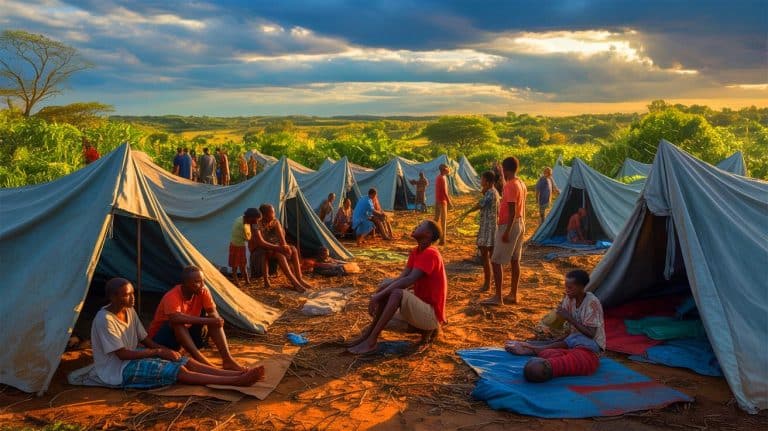



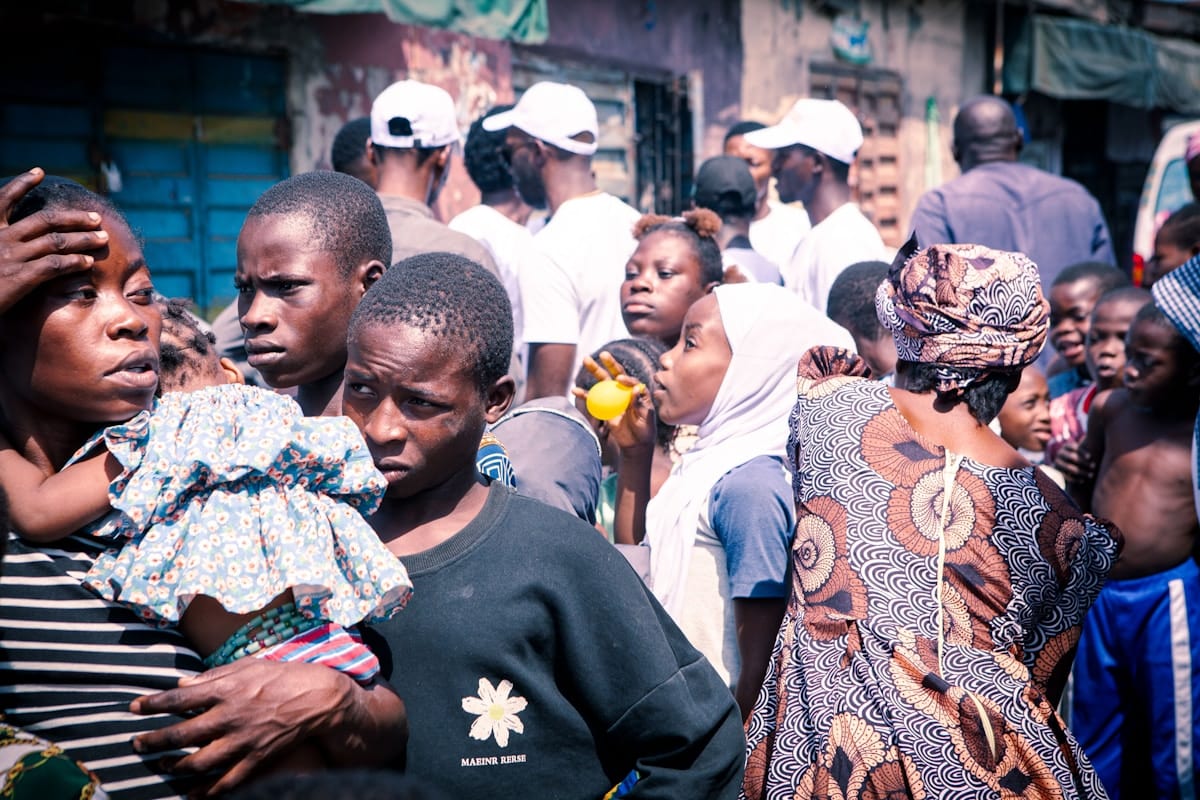
CARE’s latest report, Invisible Emergencies, reveals the top ten humanitarian crises of 2019 that received little to no mainstream media coverage. Now in its fourth year, the report underscores a troubling pattern: certain countries – particularly in Africa – continue to face escalating crises while remaining largely ignored by global media.
Nine out of the ten most under-reported emergencies occurred on the African continent. These crises span from severe droughts and hunger to violent conflicts, epidemics, and mass displacement – many of which are intensified by human-induced climate change.
“We are witnessing a disturbing correlation between climate change and prolonged humanitarian emergencies,” says Sally Austin, Head of Emergency Operations at CARE International. “From Madagascar to North Korea, dwindling resources and extreme weather events are directly fueling hunger, displacement, and suffering.”
While global awareness of climate change is rising, CARE warns that discussions remain too focused on the Global North, overlooking the devastating consequences unfolding across the Global South. Media neglect contributes to a lack of political will and underfunding of critical humanitarian responses.
Through Invisible Emergencies, CARE urges media organizations, policy-makers, and aid providers to reconsider how they allocate attention and resources. Most crises highlighted in the report face severe funding shortages despite affecting millions.
Top 10 Most Under-Reported Humanitarian Crises of 2019
1. Madagascar – Climate crisis triggers severe drought, affecting over 2.6 million people
By the end of 2019, more than 2.6 million people were impacted by prolonged droughts. Around 916,000 needed immediate food assistance. Madagascar has the world’s fourth-highest rate of chronic malnutrition, with nearly 50% of children under five suffering from stunting.
2. Central African Republic – Ongoing conflict leaves 2.6 million in need
Persistent violence and civilian attacks have displaced one in four people. Over 600,000 are internally displaced, with nearly 594,000 fleeing to neighboring countries already struggling with poverty.
3. Zambia – Climate change drives hunger for an estimated 2.3 million people
Rising temperatures – almost twice the global average – have intensified droughts, leaving over 2.3 million people in urgent need of food assistance. Food security continues to deteriorate due to extreme weather, pests, and crop failure.
4. Burundi – Political instability deepens food and health crisis
With chronic poverty, ongoing insecurity, and health risks like malaria and Ebola, approximately 1.7 million Burundians face chronic food shortages, further worsened by natural disasters and displacement.
5. Eritrea – Drought and repression fuel widespread malnutrition
Successive dry years have devastated crop production, leading to severe hunger. Nearly half of Eritrean children under five suffer from stunting, especially in vulnerable nomadic communities.
6. DPR Korea (North Korea) – Widespread hunger behind closed borders
An estimated 10.9 million people require humanitarian aid to meet basic food, health, water, and sanitation needs. With 43% of the population undernourished, agricultural production remains insufficient due to outdated equipment and recurring droughts, floods, and heatwaves.
7. Kenya – Trapped between flooding and drought, 1.1 million lack food security
Over 1.1 million people face regular food shortages, and more than 500,000 children under five need nutritional support. Alternating droughts and floods have slashed agricultural production by nearly half.
8. Burkina Faso – Escalating conflict affects over 5.2 million people
Years of political instability, growing armed violence, poverty, and weak governance have fueled one of the world’s fastest-growing humanitarian emergencies, affecting more than a quarter of the population.
9. Ethiopia – Recurrent disasters cause hunger and displacement for millions
In 2019, Ethiopia faced droughts, localized flooding, and massive displacement. Approximately 7.9 million people suffered severe malnutrition, especially vulnerable groups like children, pregnant women, and the elderly.
10. Lake Chad Basin – A decade-long crisis drives nearly 10 million in need
Conflict, displacement, poverty, and environmental degradation have triggered a large-scale humanitarian emergency. In Chad alone, about 657,000 displaced people require urgent support, alongside refugees from CAR and Sudan.