



Satellites Reveal 115-Foot Waves in Pacific Megastorm, Highlighting New Challenges for Coastal Communities and Safety Measures
 By
Nomvula Dlamini
By
Nomvula Dlamini
| IN A NUTSHELL |
|
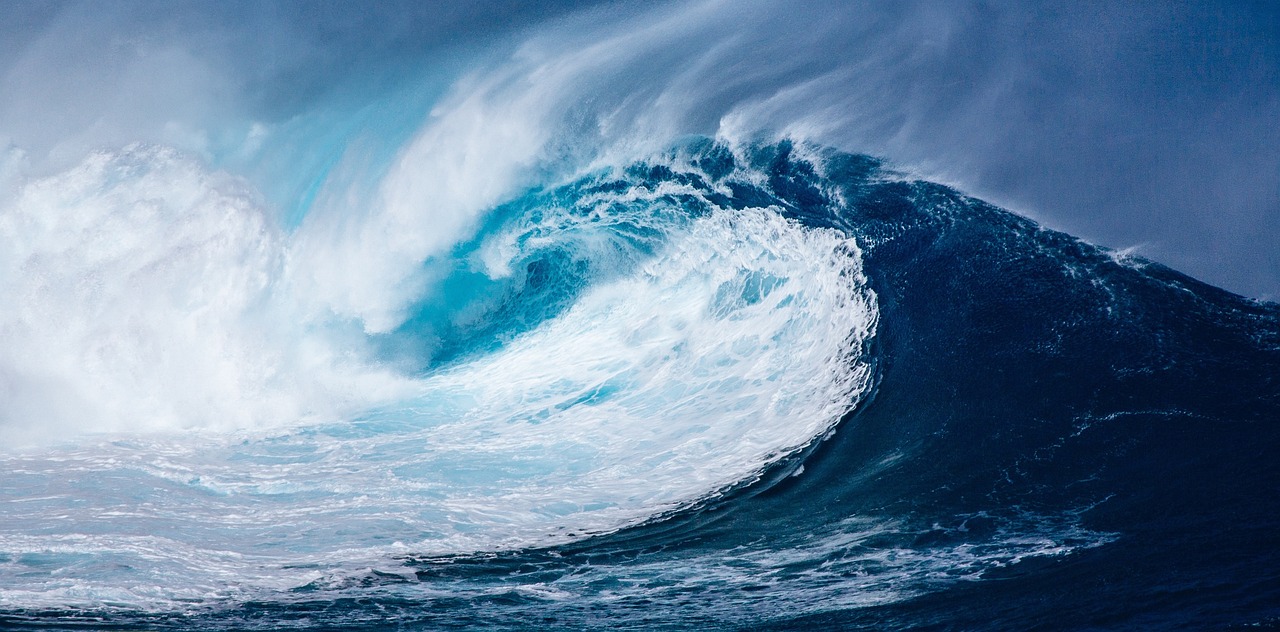
In December 2024, the Pacific Ocean witnessed a storm of such magnitude that it captured global attention. Satellite data revealed waves reaching over 115 feet, a record-breaking height visible from space. This extraordinary natural event, identified as Storm Eddie, not only broke records but also provided invaluable data for scientists and fascinated surfing enthusiasts worldwide. The European Space Agency’s SWOT satellite played a key role in capturing this phenomenon, offering new insights into the energy dynamics of ocean waves and their far-reaching impacts on both science and surf culture.
The Power of Monster Waves: A Record-Shattering Event
The December 2024 storm highlighted the immense power of nature. With waves reaching previously unseen heights of over 115 feet, Storm Eddie left an indelible mark on oceanography. Satellites tracked these colossal waves as they traveled across 15,000 miles, from the North Pacific to the tropical Atlantic. This unprecedented reach underscores the ability of storm energy to traverse vast oceanic distances, impacting areas far from the storm’s origin.
These findings have significant implications for understanding the behavior of extreme waves. The data collected offers a new perspective on how storms can influence coastal regions and reshape shorelines. The study, led by Fabrice Ardhuin and published in PNAS, reveals that these waves were much larger than existing models had predicted. The global impact of the storm was evident, with swells affecting various coastal areas and contributing to legendary surfing events.
How Satellites Unveiled the Wave Giants
The revelations about Storm Eddie were made possible by advanced satellite technology. The European Space Agency’s SWOT satellite utilized radar and altimetry to capture detailed information about the storm’s waves. This data provided a comprehensive view of the storm’s intensity, including the wave heights, frequencies, and energy distribution.
The ability of these waves to carry energy across oceans highlights the importance of “long-period swells.” Such swells, although generated far offshore, can cause significant destruction on distant shores. The data from SWOT also underscored how these swells act as messengers of powerful storms, continuing to affect coastlines long after the storm has dissipated. This insight is crucial for improving predictions of oceanic behavior and enhancing coastal safety measures.
The Role of Storm Eddie in Surf Culture
While scientists analyzed the storm’s data, surfers embraced the epic waves it generated. Storm Eddie contributed to historic surfing events, including the Eddie Aikau Big Wave Invitational in Hawaii and groundbreaking rides at Mavericks in California. These events illustrate the intersection of extreme weather and surf culture, where surfers pursue waves that are both awe-inspiring and perilous.
The towering waves, averaging over 65 feet, posed significant challenges to surfers, testing their skills and courage. This connection between massive waves and surfing culture highlights the need for safety measures and preparation. Surfers not only experience the raw power of these waves but also provide valuable insights into wave behavior, aiding scientific understanding.
Recalculating the Energy of Ocean Waves
The recent findings challenge previous assumptions about the energy carried by ocean waves. The study published in PNAS revised earlier models that underestimated the energy content of storm waves. Contrary to earlier beliefs, the data revealed that energy is concentrated in dominant storm waves, making them more destructive.
This understanding is akin to a boxer delivering powerful punches rather than multiple weaker strikes. Accurate predictions of wave behavior are essential for coastal planning and storm preparedness. With climate change potentially increasing storm activity, having precise data on wave dynamics is crucial for safeguarding vulnerable coastal regions.
Linking Storm Intensity with Climate Change
Future research aims to explore the relationship between extreme storms and climate change. Dr. Ardhuin and his team are examining whether such massive storms are becoming more frequent or intense due to shifts in global climate patterns. While establishing clear trends is challenging due to the rarity of these storms, decades of satellite data may offer insights into potential long-term changes.
The key question is whether human-induced climate change is driving the increased intensity of such storms, or if natural variability plays a more significant role. Understanding the dynamics of large storms is vital for anticipating and mitigating their impacts on coastal communities and infrastructure.
As scientists continue to study the interplay between ocean waves and climate change, questions remain about the future of our coastlines. How will these insights influence the strategies we adopt to protect communities from the impending threat of rising sea levels and intensifying storms?