


This Massive Project Reveals Hidden Power That Shatters Africa’s Energy Landscape And Changes Everything For You
 By
Kwame Asante
By
Kwame Asante
| IN A NUTSHELL |
|
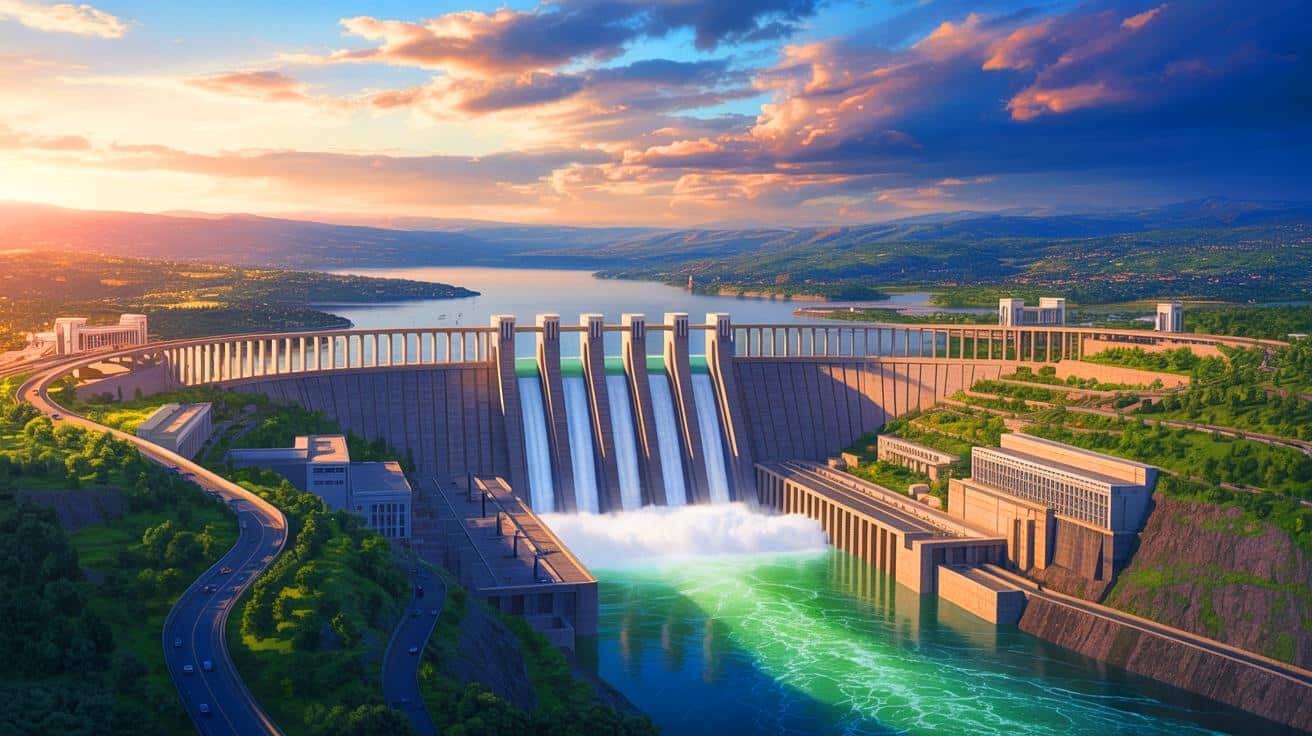
The Grand Ethiopian Renaissance Dam (GERD) stands as a monumental achievement in modern engineering and geopolitics. As Africa’s largest hydroelectric plant, it promises to transform Ethiopia into a significant energy exporter, potentially reshaping the power dynamics of the region. However, this ambitious project does not come without its challenges. The dam has been a focal point of regional tension, especially concerning water security for Egypt and Sudan. With an enormous capacity to generate 6,450 megawatts, GERD could redefine the energy landscape while also fueling geopolitical disputes along the Nile. As the dam nears full operation, it raises crucial questions about the balance of economic growth and regional cooperation.
The Construction Phases of Ethiopia’s GERD
The journey of the Grand Ethiopian Renaissance Dam began in 2008 when Ethiopia announced its plans to harness the power of the Blue Nile. This announcement marked the beginning of an ambitious endeavor that would capture the world’s attention. By 2009, Ethiopia was deep into feasibility studies and environmental assessments, laying the groundwork for what would become a landmark project.
Securing funding was a crucial step, achieved in 2010 primarily through domestic sources. This financial foundation allowed construction to begin in 2011, focusing initially on the dam’s foundation. By 2013, the dam had reached its maximum height, signaling significant progress. The installation of the first turbine in 2015 marked the beginning of electricity generation, a pivotal moment for the project.
In 2018, the second construction phase further enhanced the dam’s generating capacity, culminating in 2020 when GERD reached its full capacity of 6,450 megawatts. The dam was officially completed in 2022. This timeline reflects a relentless pursuit of innovation and energy independence for Ethiopia, with each phase bringing the country closer to realizing its vision of becoming a regional energy hub.
Architectural Feats and Technical Obstacles
The Grand Ethiopian Renaissance Dam is not just a marvel of engineering but a testament to Ethiopia’s ambition. Rising approximately 508 feet, the dam stretches 5,837 feet across the Blue Nile. Its sheer size and capacity make it one of the most formidable hydroelectric projects globally.
The reservoir, capable of holding up to 74 billion cubic meters of water, is a critical component of the dam’s design. This immense storage capacity allows GERD to produce over 16,153 gigawatt-hours annually, a significant contribution to the region’s energy needs. Navigating the challenges of the East African Rift system, the dam incorporates advanced seismic engineering to withstand potential earthquakes, ensuring its resilience and longevity.
Environmental monitoring has been a cornerstone of the project’s development. Utilizing satellite data and hydrological models, Ethiopia has implemented programs to assess the dam’s impact on local ecosystems. The strategic design of spillway systems further highlights the project’s sophistication, with mechanisms in place to manage flood events and maintain reservoir levels safely. The dam’s power stations, housing 16 Francis turbines, have been upgraded to maximize energy output, positioning Ethiopia as a future leader in regional energy supply.
Regional and Sociopolitical Implications
The Grand Ethiopian Renaissance Dam represents more than just an engineering feat; it is a catalyst for geopolitical discourse in the Nile Basin. Since its inception, the dam has been a point of contention, particularly for Egypt and Sudan, who view it as a potential threat to their water security.
Egypt, reliant on the Nile for over 90% of its water supply, perceives any reduction in river flow as a national security issue. The country has consistently voiced concerns over the dam’s impact, bringing the matter to international platforms like the United Nations. Sudan, while recognizing potential benefits such as increased hydropower, fears the consequences of unregulated dam management, which could exacerbate flooding risks.
Ethiopia, however, stands firm in its right to utilize the Blue Nile’s resources, arguing that the dam is essential for reducing poverty and boosting its economy. With significant support from international actors like China, Ethiopia has defended GERD’s role in its development strategy while maintaining that the dam’s operation will not significantly impede downstream water flow.
Economic and Environmental Concerns
The economic prospects of the Grand Ethiopian Renaissance Dam are undeniably promising for Ethiopia. By potentially generating $2 billion annually through electricity exports, the dam could significantly enhance the country’s GDP and alleviate poverty. Neighboring countries like Sudan and Djibouti might benefit from improved energy access and economic cooperation.
However, these economic benefits come with environmental costs. The dam’s reservoir, spanning 724 square miles and holding vast amounts of water, is estimated to lose substantial volumes to evaporation annually. This loss exacerbates water scarcity concerns for downstream nations, particularly Egypt.
The regulation of the Blue Nile’s flow, while beneficial for flood control, could disrupt the natural distribution of nutrient-rich silt, impacting agricultural productivity in Egypt and Sudan. These environmental challenges underscore the need for careful management and cooperation to ensure that GERD’s economic gains do not come at the expense of regional ecological stability.
As the Grand Ethiopian Renaissance Dam moves towards full operation, it symbolizes both opportunity and challenge. Ethiopia’s ambition to become a regional energy powerhouse must be balanced with the concerns of its neighbors, who rely on the Nile’s waters for their survival. This delicate interplay of economics, politics, and environment poses a critical question for the future: can the countries of the Nile Basin find a path to collective prosperity, or will the dam become a point of division? The answer will shape the region’s trajectory for decades to come.