



This Shocking Revelation Terrifies: 20% Of Your Medicines Could Be Dangerous Fakes That Threaten Your Health
 By
Joseph Mwangi
By
Joseph Mwangi
| IN A NUTSHELL |
|
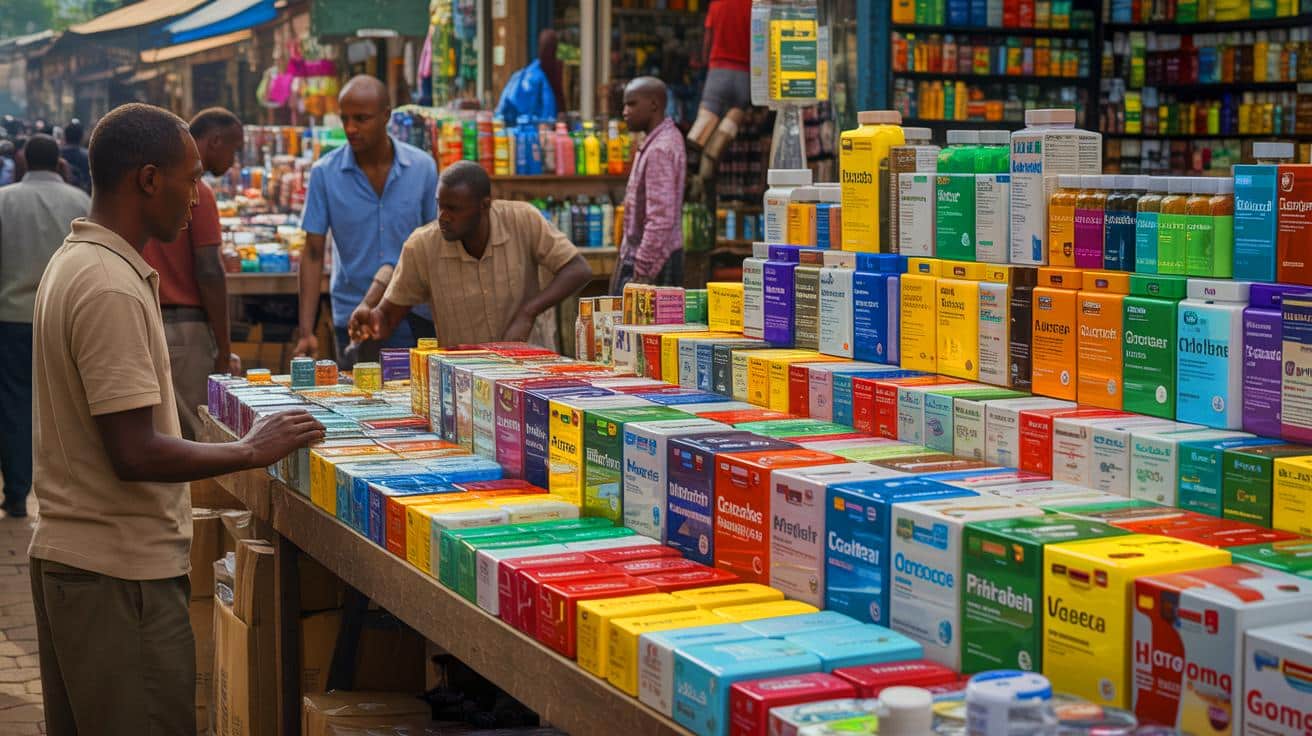
The issue of counterfeit and substandard medications poses a significant threat to public health, particularly in regions with vulnerable healthcare systems. A recent study has highlighted alarming statistics from Africa, revealing that over 22% of pharmaceuticals are either fake or of low quality. This situation not only jeopardizes patient safety but also undermines efforts to combat diseases effectively. The prevalence of such medications is a stark reminder of the challenges faced in regulating and ensuring the quality of essential treatments. As these findings emerge, stakeholders are urged to take decisive actions to address this pervasive problem.
Prevalence of Counterfeit Medications in Africa
A comprehensive study conducted by researchers at Bahir Dar University in Ethiopia, published in the Journal of Pharmaceutical Policy and Practice, exposes the troubling scope of counterfeit and substandard medications across Africa. The study indicates that over one-third of medications on the continent remain unregistered. Antibiotics account for 44% of these unregistered drugs, while antimalarials and antihypertensives represent 15.6% and 16.3%, respectively. Alarmingly, the research reveals that 22.6% of all medications are either counterfeit or of inferior quality, presenting a considerable public health risk.
The researchers reviewed 27 studies, analyzing 7,508 medication samples, of which 1,639 failed at least one quality test. This highlights the extensive reach of this issue. Kenya emerged as the country with the highest percentage of unregistered and substandard antibiotics and antimalarials, at 17%, followed by Malawi at 10.7%. These findings underscore the urgent need for improved regulatory measures and quality control to protect vulnerable populations.
Challenges in Ensuring Quality Treatments
The report attributes the prevalence of poor-quality medications to several factors, including inadequate market regulation, free trade zones, low registration rates, and poor import standards. Claudia Martínez, a research lead at the Access to Medicine Foundation, emphasizes the complexity and fragmentation of pharmaceutical supply chains in many low- and middle-income countries. These regions rely heavily on a limited number of suppliers for essential medications, facing significant challenges in timely procurement and quality monitoring.
The involvement of numerous intermediaries in product distribution further complicates quality assurance. This fragmented supply chain often allows substandard pharmaceuticals to infiltrate markets, posing significant risks to public health. Addressing these challenges requires coordinated efforts from governments, regulatory bodies, and pharmaceutical companies to streamline supply chains and ensure the availability of quality medications.
Public Health Implications
The presence of counterfeit and substandard medications in Africa is a critical public health concern, as highlighted by Claudia Martínez. Patients receiving these ineffective or fake drugs face treatment failure and potentially preventable deaths. Substandard antibiotics may contain incorrect dosages or wrong active ingredients, compromising treatment efficacy and patient safety.
The broader implications include severe adverse effects and increased antimicrobial resistance, complicating disease management. The fragile healthcare systems in many African countries exacerbate these risks. The United Nations Office on Drugs and Crime estimates that substandard and falsified medications could result in up to 500,000 deaths annually in sub-Saharan Africa. These figures echo findings from a 2017 World Health Organization study, which reported that around 10% of medical products in developing countries were substandard or counterfeit.
Collaborative Efforts to Tackle the Issue
Addressing the widespread issue of counterfeit medications requires a multi-stakeholder approach. Martínez advocates for immediate action involving governments, national authorities, regulators, and pharmaceutical companies. Strengthening supply chains by enhancing infrastructure, optimizing logistics, and implementing robust monitoring systems is crucial.
Pharmaceutical companies play a vital role in this effort, with responsibilities such as promptly reporting incidents of substandard or falsified products to national health authorities and the WHO’s rapid alert system. They should also contribute to capacity-building initiatives, ensuring that quality standards are consistently met. Collaborative efforts across sectors are essential to safeguard public health and restore confidence in available treatments.
The findings of the study highlight the critical need for improved regulatory frameworks and supply chain management in Africa to combat the prevalence of counterfeit medications. As stakeholders work towards solutions, the focus must remain on ensuring the safety and efficacy of treatments for all patients. The ongoing challenge raises important questions about the future of pharmaceutical regulation on the continent: How can global partnerships be leveraged to create sustainable solutions for this pressing issue?