




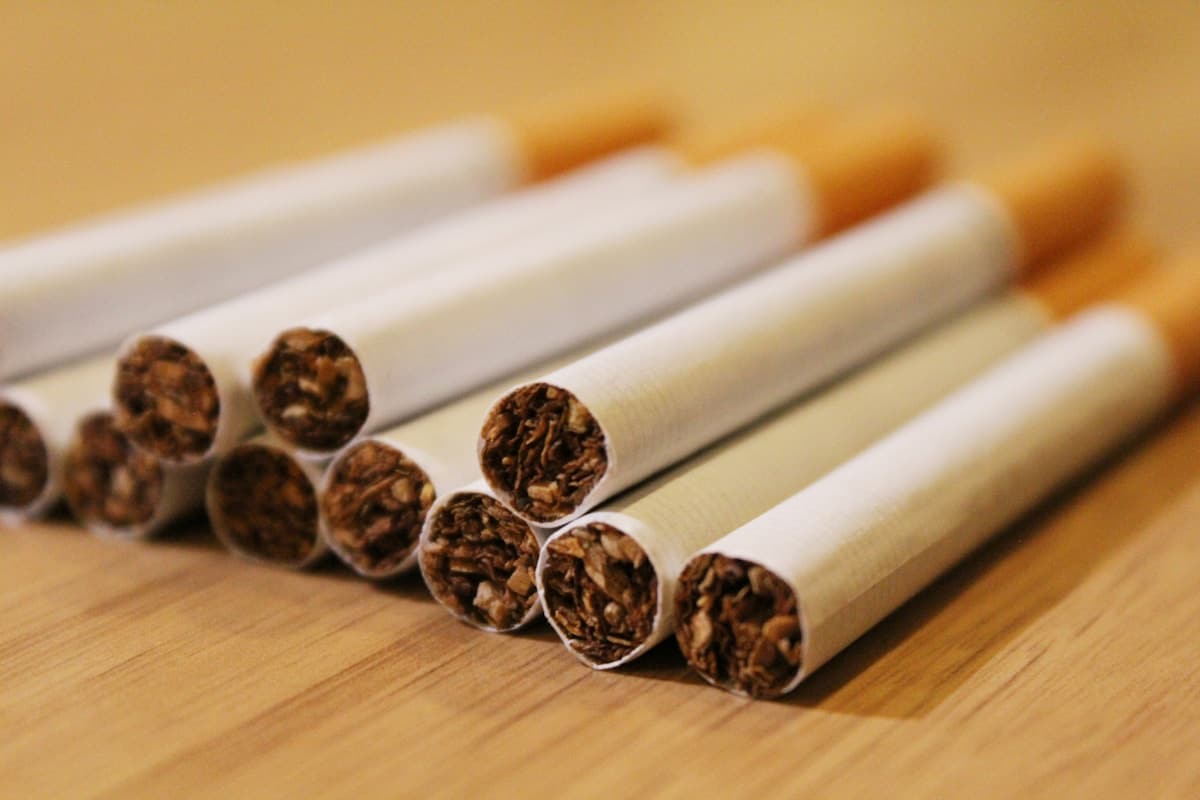
The US Food and Drug Administration (FDA) has announced plans to ban menthol cigarettes and flavored cigars, as part of a wider crackdown on nicotine consumption among young people. The move, unveiled by FDA commissioner Scott Gottlieb, also aims to restrict flavored e-cigarette sales to adult-only stores and online platforms.
The announcement sent shockwaves through financial markets, wiping $40 billion off the value of the world’s largest tobacco companies. British American Tobacco (BAT) saw its shares drop 19%, while Altria, maker of Marlboro, fell 10%. Menthol cigarettes represent roughly one-third of total tobacco sales in the US, making the proposal a major threat to industry profits.
Tobacco giants are preparing for a fierce legal battle, arguing that science does not justify treating menthol differently from regular cigarettes and warning of a potential black market. The FDA, meanwhile, insists that menthol makes cigarettes more addictive and harder to quit.
The vaping industry, led by Juul Labs, has reacted more cautiously, already adapting to new restrictions to avoid a broader ban.
Beyond health and business implications, the menthol issue also stirs a racial debate: about 85% of African American smokers use menthol cigarettes, the result of decades of targeted marketing by tobacco companies. Civil rights groups such as the NAACP now back the ban, calling it “long overdue” after years of exploitation of Black communities.
While the FDA faces a long regulatory process and likely lawsuits, health advocates see this as a historic turning point in the fight against smoking – one that could reshape both the tobacco industry and US public health policy.