


Youth-Led Climate Action Shines at COP25
 By
Joseph Mwangi
By
Joseph Mwangi
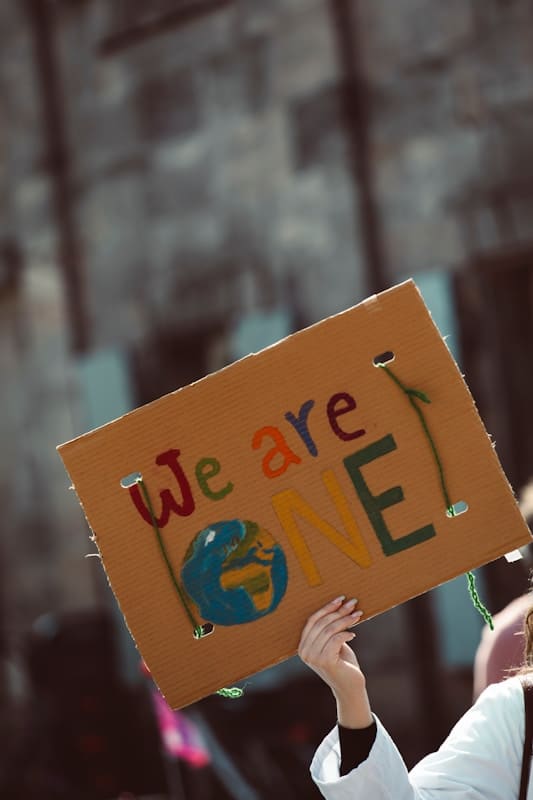
Youth activism was a defining feature of COP25 in Madrid, Spain. During the second week of the conference, it was impossible not to notice the energy, dedication, and influence of young climate advocates. Climate change is inherently an intergenerational challenge, and it is the youth of today who will inherit the responsibility of addressing the shifting climate of tomorrow. Moreover, young people hold the power to influence policies that shape greenhouse gas emissions worldwide.
The conference itself was relocated from Santiago, Chile to Madrid due to student-led protests in Chile, which criticized the government’s handling of national issues. These youth voices had gained global visibility, leading to Chile stepping back from hosting both COP25 and the Asia-Pacific Economic Cooperation summit. This moment highlighted how young people are not only climate advocates but also agents capable of shaping broader political action.
In 2019, youth activism reached a global peak, demanding climate justice and urgent action on the climate crisis. Despite the momentum, progress at COP25 remained limited. Young activists, including indigenous leaders, staged protests to challenge governmental inaction, making their presence felt despite empty promises from world leaders.
Some of the most inspiring voices at COP25 came directly from youth speakers. Leaders such as Hilda Flavia Nakabuye from Uganda, Angela Valenzuela from Chile, Alexandria Villaseñor from New York, and Luisa Neubauer from Germany demonstrated maturity and insight beyond their years, highlighting the critical role of young people in climate advocacy.
Greta Thunberg, the Swedish activist behind Fridays for Future, collaborated closely with other youth at the conference. Named TIME magazine’s Person of the Year in 2019, Thunberg used her platform to amplify the voices of activists from the global south, indigenous communities, and feminist movements, ensuring that discussions centered on equity and climate justice. On panels, she intentionally provided space for others to speak, emphasizing collaboration over personal visibility.
COP25 also incorporated several youth-focused events, such as press briefings with Thunberg, Neubauer, and other activists, as well as panels on urban climate solutions, capacity-building partnerships, and youth-driven climate innovation. The conference dedicated a full day to young and future generations, though outcomes from these sessions remain unclear. Beyond formal events, youth activists staged a surprise demonstration during a high-level session, chanting “What do we want? Climate justice! When do we want it? Now!” Their presence captivated the media and underscored the urgency of youth-led climate action.
While the conference took steps to include youth, feminist, and indigenous voices, more is needed to integrate these perspectives into all levels of the UNFCCC negotiations. Future climate summits must ensure that intergenerational perspectives are central to every discussion and decision. COP25 demonstrated the power, passion, and potential of youth-led climate advocacy, providing a clear message: the fight against climate change is an urgent, collective responsibility, and young people are at the forefront.
Continue reading