

Ancient DNA Reveals Shocking Secrets That Could Completely Change Our Understanding Of Human History Forever
 By
Joseph Mwangi
By
Joseph Mwangi
| IN A NUTSHELL |
|
In a groundbreaking scientific achievement, researchers have successfully sequenced the genomes of 13 ancient individuals who lived between 1,300 and 10,000 years ago in South Africa. This study, conducted by the University of Cape Town and the Max Planck Institute for Evolutionary Anthropology, represents a significant milestone in the field of ancient DNA research. The findings shed light on the genetic continuity of populations in southern Africa, offering new insights into human history in this diverse region. With only two dozen ancient genomes from Africa previously reconstructed, this study marks a pivotal moment in our understanding of the past and its connection to present-day populations.
Sequencing Back 10,000 Years Into the Past
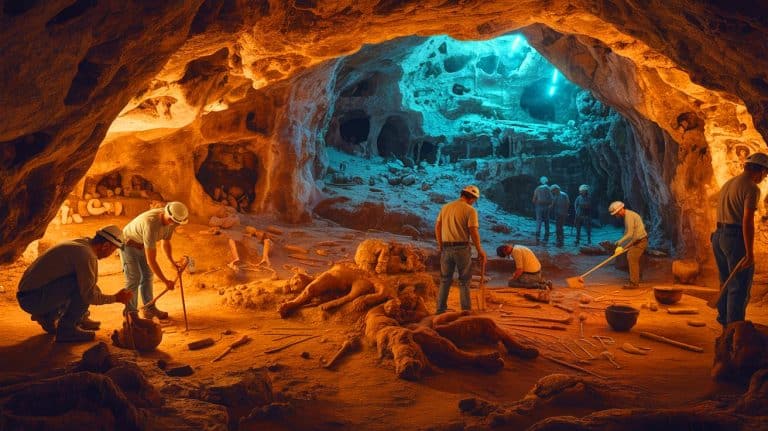
The research team, led by Professor Victoria Gibbon from the University of Cape Town, selected the Oakhurst rock shelter as their excavation site due to its rich archaeological significance. This site, containing 40 human graves and ancient artifacts like 12,000-year-old stone tools, provided a unique opportunity to explore human history in the region. Gibbon noted that such well-preserved sites are rare in South Africa, making Oakhurst invaluable for understanding local population dynamics over the millennia.
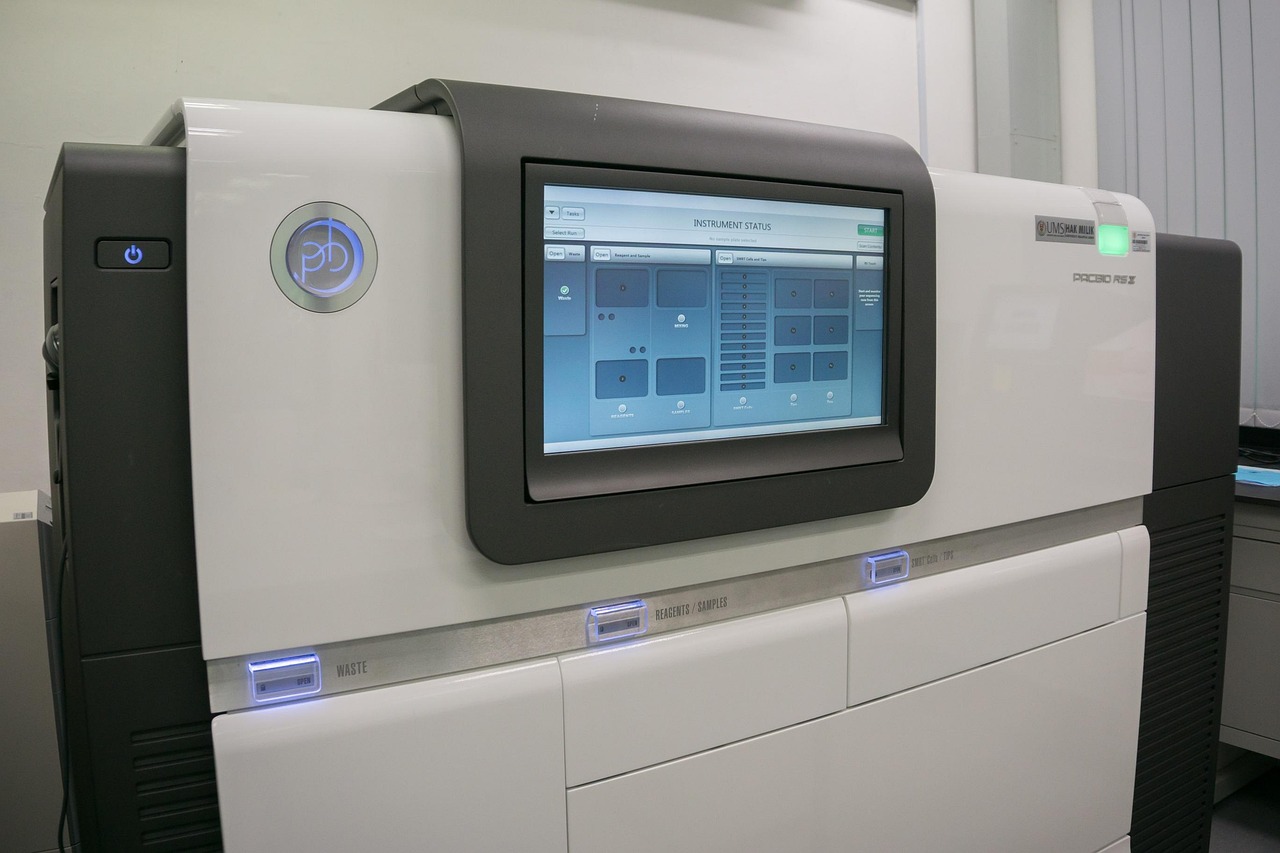
To decode the ancient genomes, the researchers used advanced techniques to extract DNA from skeletal remains. Despite the challenges posed by the material’s age, they successfully converted the data into double- and single-stranded libraries. These libraries were then subjected to DNA hybridization capture, a method that enriches specific genes or genomes of interest. The mitochondrial DNA and Y chromosome haplogroups revealed genetic similarities with contemporary San and Khoe populations, emphasizing the genetic continuity over thousands of years.
By constructing a population tree based on allele frequencies, the study placed the sequenced individuals within a broader pan-African evolutionary framework. This approach allowed researchers to trace population movements and relationships across the landscape, contributing to a deeper understanding of human history in southern Africa.
Ancient South Africans a Lot Like Modern-Day Ones
The genetic analysis of the ancient South African samples revealed a striking contrast with findings from Europe. While European studies have shown significant genetic changes over the last 10,000 years due to large-scale human migrations, the South African samples demonstrated remarkable genetic stability. This revelation challenges the notion of widespread genetic shifts and highlights the unique evolutionary path of populations in southern Africa.
According to the study, the genomes from the Oakhurst rock shelter closely resemble those of modern-day San and Khoekhoe groups living in the region. This genetic continuity stands in stark contrast to the changes observed in Europe, where new groups arriving around 1,200 years ago led to fundamental genetic shifts. The study’s findings underscore the importance of examining diverse regions to gain a comprehensive understanding of human history.
This research not only fills a gap in genetic studies but also opens new doors for exploring the rich gene pool of South Africa. By connecting past and present, the study provides a more nuanced perspective on the genetic landscape of the region, contributing to a broader understanding of human evolution.
Methodological Advances in Ancient DNA Research
The successful sequencing of ancient genomes from South Africa represents a significant advancement in the field of ancient DNA research. The study employed a combination of cutting-edge techniques and methodologies to overcome the challenges posed by the age and condition of the DNA samples. The use of double- and single-stranded libraries, along with DNA hybridization capture, allowed for the precise enrichment and sequencing of target genomes.
The research team faced numerous obstacles in reconstructing the ancient DNA, including contamination and degradation of the samples. However, their innovative approach enabled them to extract valuable genetic information, offering new insights into the genetic history of the region. This methodological breakthrough not only enhances our understanding of ancient populations but also sets a precedent for future studies in the field.
The findings from this study have far-reaching implications for genetic research, providing a framework for exploring other regions with rich archaeological and genetic histories. As the field of ancient DNA research continues to evolve, these methodological advances will play a crucial role in uncovering the complexities of human evolution and migration.
The Broader Implications for Human History
This study’s findings have significant implications for our understanding of human history and evolution. By revealing the genetic continuity of populations in southern Africa, the research challenges existing narratives and highlights the importance of examining diverse regions. The study emphasizes that genetic stability can coexist with cultural and technological changes, offering a more nuanced perspective on human evolution.
The insights gained from this research contribute to a broader understanding of the genetic landscape of Africa and its role in human history. The study’s findings also underscore the importance of preserving archaeological sites and conducting interdisciplinary research to uncover the complexities of our past.
As scientists continue to decode ancient genomes, the knowledge gained from these studies will shape our understanding of human migration, adaptation, and evolution. This research not only fills a critical gap in genetic studies but also opens new avenues for exploring the rich history of southern Africa.
The successful sequencing of ancient genomes from South Africa marks a pivotal moment in the field of ancient DNA research. By bridging the gap between past and present, this study provides valuable insights into the genetic continuity and diversity of populations in southern Africa. As researchers continue to explore the complexities of human history, what other discoveries might reshape our understanding of the past and its connection to the present?
Continue reading