


Cave Soil DNA Reveals New Insights Into Ice Age Life, Challenging Our Understanding of Ancient Ecosystems
 By
Kwame Asante
By
Kwame Asante
| IN A NUTSHELL |
|
Recent breakthroughs in the study of ancient DNA are providing unprecedented insights into the ecosystems and human history of the Ice Age. By extracting DNA from cave sediments, scientists are unveiling long-hidden secrets about life during this period. This research is reshaping our understanding of ancient ecosystems and the species, including humans, that once inhabited these regions. The revolutionary approach of analyzing sediment DNA offers a powerful tool for reconstructing the past, providing new perspectives on the intricate relationships between early humans, animals, and their environment.
The Power of DNA in Cave Sediments: A Revolutionary Approach
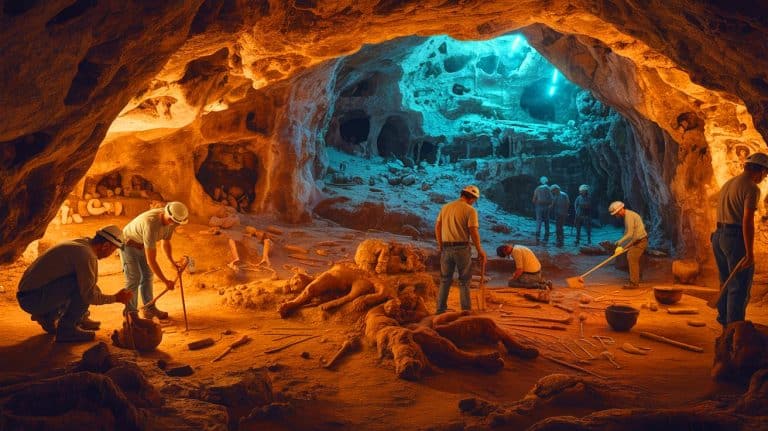
Traditionally, the study of ancient organisms’ DNA required the discovery of fossils or skeletal remains. However, recent advancements have introduced a novel method: analyzing DNA extracted from cave sediments. This approach allows researchers to reconstruct ecosystems and identify species that once inhabited them, even those that left no direct physical evidence behind. By examining genetic material embedded in the soil, scientists can track the presence of species, understand how ecosystems evolved over time, and assess human impacts on natural changes.
For example, this technique enables the identification of species that disappeared before leaving fossils, providing insights into biodiversity and environmental changes. The research team at GACT, working with sediments from Germany’s Hohle Fels cave, is pioneering this method. Their findings offer a glimpse into ancient ecosystems, revealing how early humans and animals interacted with their environment. This revolutionary approach is transforming our understanding of the past, offering a more comprehensive view of Ice Age life.
A Window into Ice Age Europe: Who Were the Inhabitants?
The Ice Age, spanning approximately 2.4 million years and ending around 10,000 years ago, was characterized by dramatic climate changes. Glaciers covered large parts of Europe, creating harsh conditions for both humans and animals. The discovery of DNA in cave sediments is providing new ways to explore how life adapted to these challenging environments. Researchers can now uncover traces of extinct animals and plants, offering insights into the species that once thrived under these extreme conditions.
For instance, mammoths and woolly rhinos, once dominant in Ice Age Europe, left genetic signatures in ancient cave soils. Analyzing these traces helps reconstruct the ecosystems of the time, shedding light on the interactions between species and their environment. By piecing together this information, scientists are gaining a deeper understanding of Ice Age biodiversity, including the plants and animals that formed the foundation of these ancient ecosystems.
Humans and the Ice Age: A Complex Relationship
The new DNA evidence from sediments offers a more nuanced view of early humans, challenging the notion of them as mere hunters and gatherers. This research reveals that humans were deeply involved in shaping their environments, influencing animal behavior, vegetation, and even climate change. By studying ancient genetic material, scientists can analyze the impact of human populations on ecosystems and biodiversity.
For example, the evidence may indicate whether humans contributed to the extinction of certain species or maintained a symbiotic relationship with their environment. This method of studying ancient DNA also helps trace human migration patterns, revealing how different groups spread across Europe during the Ice Age and interacted with surrounding ecosystems. This research is reshaping our understanding of human-environment dynamics and the complex relationships that defined the Ice Age.
A Glimpse into the Past: Revealing Biodiversity Through Sediment DNA
One of the most exciting aspects of sediment DNA research is its ability to uncover species that left no direct evidence, such as fossils. Unlike fossils, DNA can be preserved in soil for tens of thousands of years, allowing researchers to detect species that didn’t leave behind physical remains. By analyzing cave sediment samples from various sites across Europe, scientists can reconstruct the biodiversity of Ice Age ecosystems.
This includes not only large, iconic mammals but also smaller creatures that played crucial roles in the ecological balance. The findings from these studies are broadening the focus beyond the “big game” animals of the Ice Age to a more comprehensive understanding of ancient biodiversity. This research is transforming our knowledge of past ecosystems, highlighting the intricate web of life that existed during this period.
The study of DNA from cave sediments is revolutionizing our understanding of Ice Age life, offering new insights into ancient ecosystems and human history. As scientists continue to explore this groundbreaking method, the potential for uncovering new information is vast. What other secrets might sediment DNA hold, and how could these discoveries reshape our understanding of the past and our place within the natural world?
Continue reading