


“They’re Harvesting Water From the Ocean Floor”: California Launches First Subsea Desalination Farm to Tackle Its Water Crisis
 By
Joseph Mwangi
By
Joseph Mwangi
| IN A NUTSHELL |
|
California is embarking on an ambitious project to address its chronic water scarcity by tapping into the vast resources of the Pacific Ocean. The state is launching its first subsea desalination project, aiming to harvest fresh water by deploying dozens of innovative water-harvesting pods along the ocean floor. This initiative, anticipated to produce 60 million gallons of fresh water per day, could provide a vital new source of drinking water. With climate change intensifying droughts and reducing snowmelt, California’s need for sustainable water solutions has never been more urgent. Could subsea desalination be the answer to this pressing challenge?
Innovative Technology: Subsea Desalination Pods
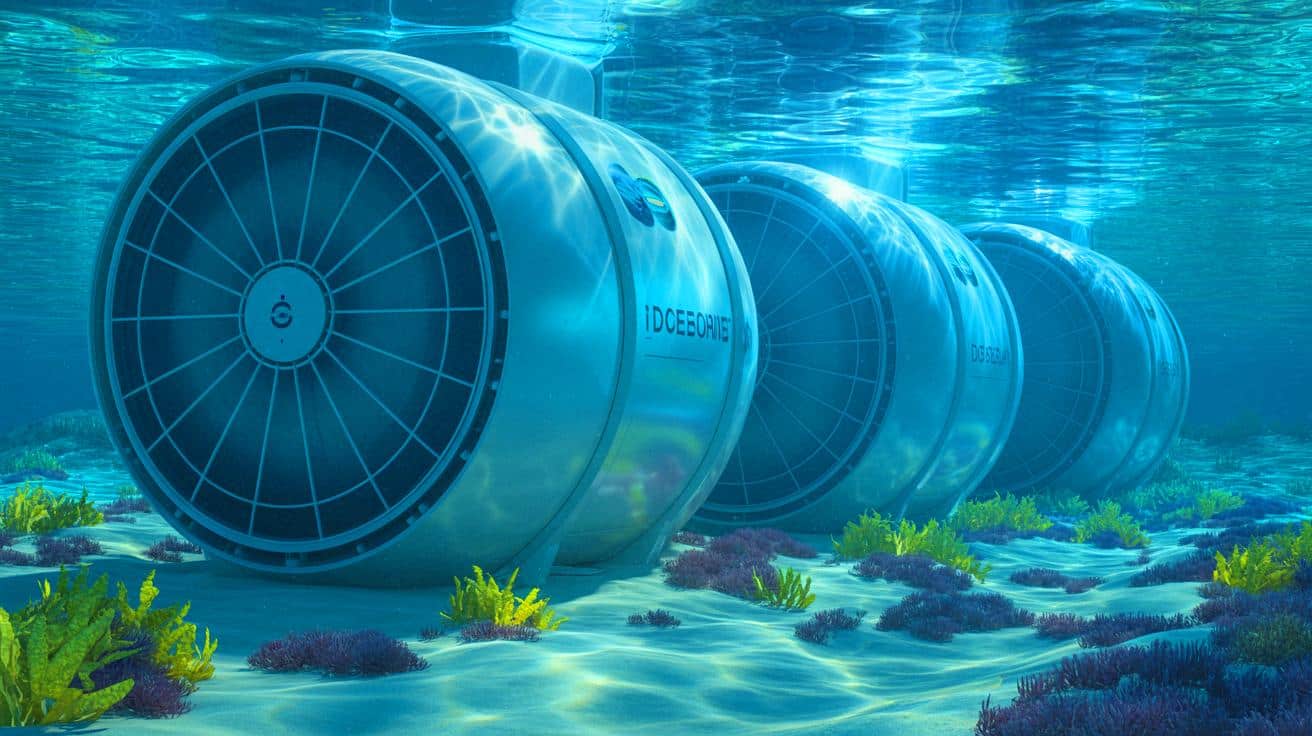
The subsea desalination initiative, known as Water Farm 1 (WF1), is spearheaded by OceanWell in partnership with the Las Virgenes Municipal Water District (LVMWD). This groundbreaking project involves deploying around 60 modular subsea pods deep in Santa Monica Bay, off the coast of Malibu. Each pod operates at a depth of approximately 1,300 feet, where the natural ocean pressure aids in the desalination process.
The pods utilize reverse osmosis technology to filter seawater. This method not only removes salt but also effectively filters out microplastics, bacteria, viruses, and persistent chemicals known as PFAS. The result is exceptionally clean drinking water, produced with minimal environmental impact. OceanWell claims that these pods reduce energy consumption by 40% compared to traditional desalination plants, offering a more sustainable approach to water harvesting.
By 2030, the WF1 project aims to deliver 60 million gallons of purified water daily. This innovative approach promises to enhance California’s water supply while adhering to ecological best practices. With its potential to transform water accessibility, subsea desalination could soon become a cornerstone of the state’s water management strategy.
Addressing California’s Water Crisis
California has long grappled with water scarcity, exacerbated by climate change. Rising temperatures and prolonged droughts have intensified the state’s struggle to maintain an adequate freshwater supply. Reservoirs face rapid evaporation, while diminished snowmelt runoff and declining river volumes further strain resources. The urgent need for alternative water sources has driven the development of the subsea desalination project.
Robert Bergstrom, CEO of OceanWell, emphasizes the project’s significance: “California, like much of the world, urgently needs a new source of water to replace dwindling supplies,” he states. Water Farm 1 represents a critical milestone in addressing these challenges, offering a reliable means to harvest fresh water from the ocean sustainably.
The project’s success could have far-reaching implications, potentially serving as a model for other regions facing similar water scarcity issues. As California pioneers this innovative solution, it may pave the way for global advancements in desalination technology and water resource management.
Collaborative Efforts and Community Impact
The subsea desalination project involves collaboration among several California water agencies, with LVMWD at the forefront. These agencies are conducting feasibility studies to integrate the harvested water into existing infrastructure. The goal is to ensure that the project’s benefits extend to as many communities as possible.
In addition to providing water to LVMWD residents, the project aims to support other partners, including the city of Burbank. Although Burbank lacks direct access to Pacific Ocean water, the city is working with the Metropolitan Water District of Southern California (MWD) to develop an exchange program. This innovative approach allows for water sharing among consortium partners, maximizing the project’s impact on regional water supply.
As the project progresses, OceanWell’s Tribal and Environmental Working Groups will continue to evaluate the pilot pod’s results. These efforts will help refine the project’s scope and ensure it aligns with ecological best practices and community priorities. The success of Water Farm 1 could serve as a blueprint for future collaborations, fostering sustainable water solutions across the state.
Challenges and Future Prospects
While the subsea desalination project holds great promise, it also faces challenges. Environmental concerns, regulatory hurdles, and the need for substantial investment must be addressed to ensure the project’s success. The feasibility studies conducted by participating agencies will play a crucial role in identifying and overcoming these obstacles.
Furthermore, the project’s reliance on advanced technology requires ongoing research and development. Continuous monitoring and adaptation are essential to optimize the system’s efficiency and minimize its environmental impact. As the project evolves, stakeholders must remain vigilant to address potential challenges and ensure the long-term viability of subsea desalination.
Despite these challenges, the potential benefits of the project are immense. By providing a sustainable source of fresh water, subsea desalination could significantly bolster California’s water security. As the state continues to grapple with climate change and water scarcity, the success of Water Farm 1 could inspire similar initiatives worldwide, offering hope for regions facing similar challenges.
As California embarks on this pioneering journey, the question remains: Will subsea desalination become a key component of global water sustainability efforts, and how will it shape the future of water resource management?