



“We’re Digging Deeper for the Future”: Tharisa Bets $547 Million on Underground Mining to Power the Clean Energy Revolution
 By
Kwame Asante
By
Kwame Asante
| IN A NUTSHELL |
|
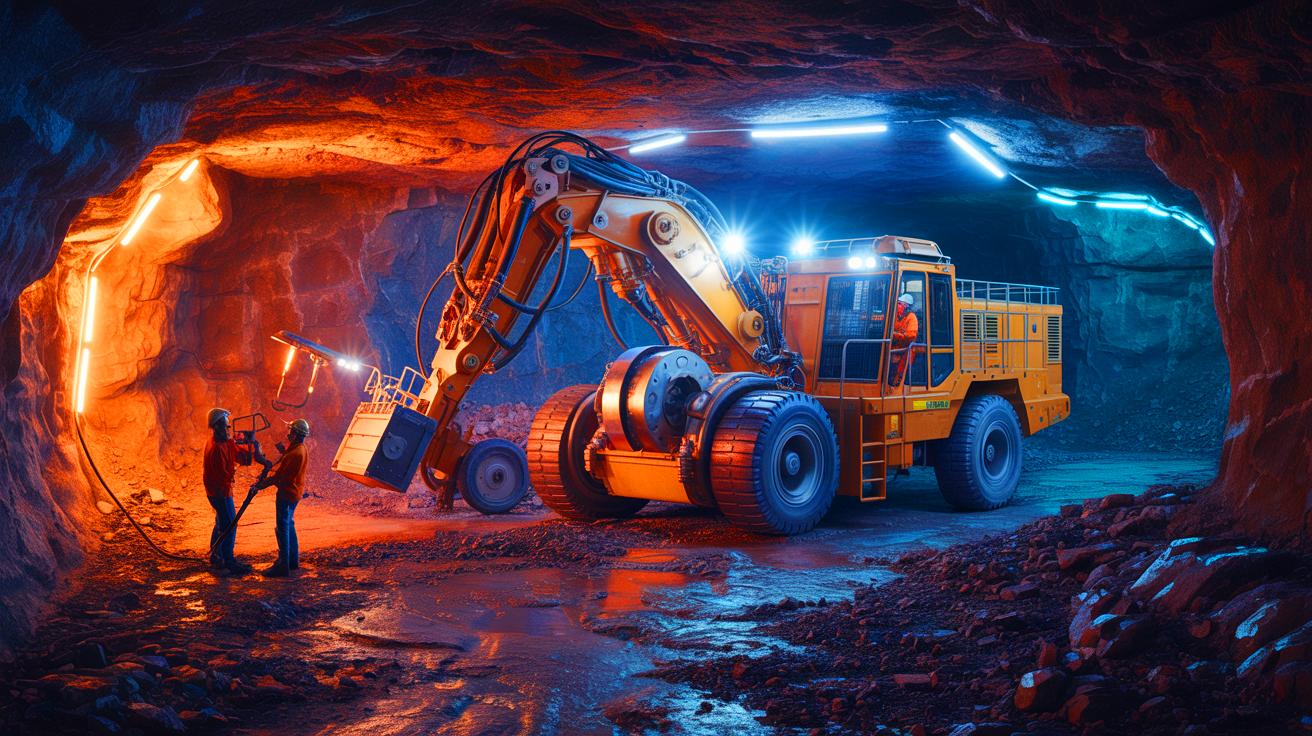
South Africa’s Tharisa Plc is making a significant investment in the future of platinum group metals (PGMs) by committing $547 million to transition its operations to underground mining. This move comes as part of a broader strategy to secure the company’s position in the evolving landscape of clean energy technologies. The transition from an open pit to underground mining at the Tharisa mine is poised to extend the mine’s lifespan and capitalize on the growing demand for PGMs, which are critical for both traditional and emerging technologies. The project is set to begin delivering ore by 2026, promising enhanced efficiency and output.
The Strategic Shift to Underground Mining
Tharisa Plc’s decision to transition its mining operations to an underground format marks a pivotal shift in its long-term strategy. The company’s current open pit mine, located on South Africa’s Bushveld complex, is nearing depletion. By moving underground, Tharisa aims to tap into a vast, multi-generational mineral resource base. The CEO of Tharisa, Phoevos Pouroulis, emphasized that this transition is a natural progression for the company, designed to extend the life of the mine and ensure sustainable operations.
This strategic move is not only about resource management but also about positioning Tharisa within the broader context of global energy transitions. PGMs, particularly platinum, palladium, and rhodium, are essential in a variety of applications, including catalytic converters and emerging clean energy technologies. As the world increasingly prioritizes cleaner energy sources, the demand for PGMs is expected to grow, making Tharisa’s investment a forward-thinking move.
PGMs and the Future of Clean Energy
Platinum group metals have long been valued for their use in autocatalysts, which help reduce vehicle emissions. However, the rise of electric vehicles has raised concerns about the future demand for PGMs. Despite these concerns, PGMs are anticipated to play a crucial role in other burgeoning technologies, such as fuel cells and clean hydrogen production. These technologies are integral to the global shift towards cleaner energy, offering a promising future for PGM demand.
Tharisa's investment in underground mining is a bet on the enduring importance of PGMs in the energy sector. The company envisions its mechanized underground operations as a way to enhance efficiencies, lower costs, and increase output. With the ability to produce at least 200,000 ounces of PGMs annually, Tharisa is positioning itself to meet both current and future market demands.
This Shocking Discovery Reveals Earth’s Secret Plan To Split Africa And Change Our World Forever
Projected Output and Economic Impact
The underground operations at Tharisa are expected to yield substantial economic benefits. At full capacity, the mine is projected to produce over 2 million metric tons of chrome concentrate annually, in addition to its PGM output. This production level represents a significant increase from the company's current projections for 2025. By enhancing its production capabilities, Tharisa aims to strengthen its market position and contribute to the local economy.
The investment in underground mining also reflects a broader trend in the mining industry, where companies are increasingly looking to maximize resource extraction while minimizing environmental impact. As the industry navigates the challenges posed by the rise of electric vehicles and other technological shifts, Tharisa's approach may serve as a model for sustainable mining practices.
Challenges and Opportunities in the PGM Market
The PGM market faces a complex set of challenges and opportunities. On one hand, the decline in the number of PGM shafts - down from 81 in 2008 to 53 today - signals a cautious approach by miners, wary of the impact of electric vehicles on traditional PGM demand. On the other hand, new applications for PGMs in clean energy technologies offer a promising avenue for growth.
Tharisa's development of the Karo platinum mine in Zimbabwe, alongside its South African projects, underscores the company's commitment to expanding its PGM portfolio. As one of only two greenfield mine development projects in the platinum industry, the Karo mine represents a strategic investment in the future of PGMs. These efforts, combined with the transition to underground mining, position Tharisa to capitalize on both current market needs and emerging opportunities.
Tharisa Plc's ambitious plan to invest in underground mining is a bold response to the shifting dynamics of the PGM market and the global energy landscape. By extending the life of its mining operations and investing in new projects, Tharisa is preparing to meet the demands of a cleaner, more sustainable world. As the company moves forward with its transition, it raises a critical question: How will the evolving energy landscape continue to reshape the future of mining and resource management?