


Africa Needs Real Answers for Its Climate Refugees
 By
Nomvula Dlamini
By
Nomvula Dlamini
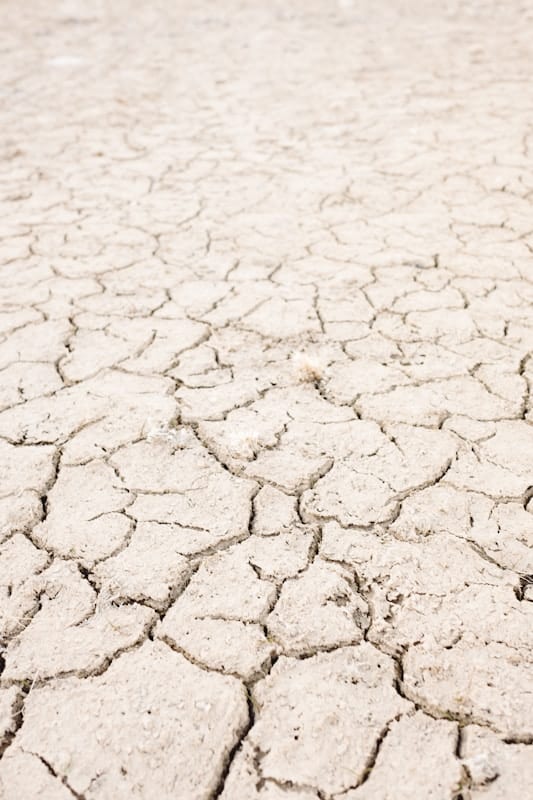
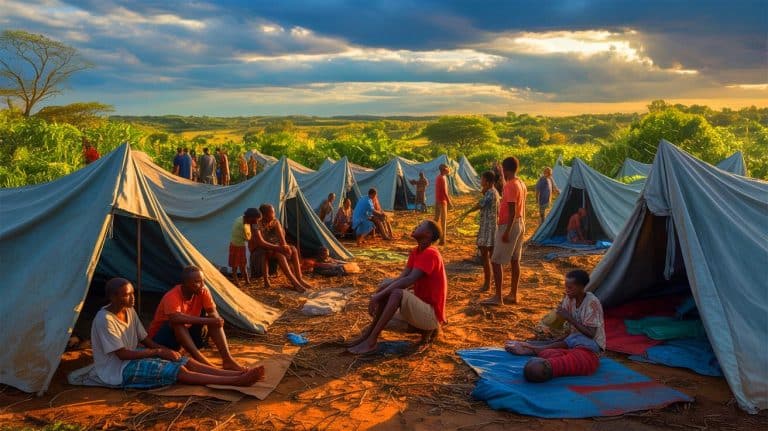
Ten years after the devastating UN-declared famine and drought in the Horn of Africa displaced hundreds of thousands of Somalis, the world still lacks clear legal and policy answers for those forced to move by climate change and environmental disasters.
The legal status and rights of people displaced by such events remain uncertain. While the term “climate refugee” has gained popularity, it has been widely rejected since existing refugee law rarely applies to those fleeing environmental causes. This gap leaves millions without protection, forcing many to migrate through unsafe and unauthorized routes, exposing them to exploitation and abuse.
The Urgent Need for Solutions
Academics, policymakers, judges, and government representatives from across Africa and beyond are now joining forces to find practical legal and policy responses to climate-related migration. The urgency is clear: the World Bank projects up to 86 million internal climate migrants in Sub-Saharan Africa by 2050.
Without secure legal status or access to livelihoods, displaced people struggle to rebuild their lives. Too often, policy discussions focus on what’s missing – such as the absence of an international treaty specifically protecting those displaced by climate change.
However, a new series of workshops brings a more hopeful approach: identifying what legal and policy tools already exist in Africa and how they can be better applied. By drawing on frameworks covering climate change, migration, free movement, and human rights, researchers believe African states can build stronger, evidence-based responses to climate displacement.
This collaborative initiative brings together more than 200 experts, practitioners, and officials. The goal is to promote solutions grounded in African realities – ones that use existing laws more effectively and strengthen regional cooperation.
“Let us focus on the opportunities to address these challenges, because solutions exist,” said Fathia Alwan, Director of Health and Social Development at the Intergovernmental Authority on Development (IGAD), during the opening session.
Africa: A Step Ahead
Africa has already taken significant steps in addressing the legal dimensions of disaster- and climate-related displacement. The Kampala Convention, adopted by the African Union, remains the world’s only legally binding treaty protecting people displaced within their own countries by natural disasters. It requires governments to both prevent displacement through climate and disaster risk reduction and to protect those forced to move.
In East Africa, IGAD member states adopted a groundbreaking Free Movement Protocol in 2020, which allows individuals threatened by disasters or climate change to cross borders temporarily for safety. Meanwhile, West Africa has introduced a framework enabling nomadic pastoralists to move across borders with their livestock in search of water and grazing land.
At the continental level, the African Union has made addressing climate change one of its top priorities. Yet, limited awareness of existing laws and weak coordination among institutions mean that many of these opportunities remain underused.
Justice John M. Mativo of Kenya’s High Court highlighted the judiciary’s vital role:
“Litigation pushes legislators and policymakers to be more ambitious and thorough in their approaches to climate change. We need more academic research and collaboration to support climate and disaster displacement litigation in Africa.”
Time Is Running Out
The window for African nations to prepare for climate-driven displacement is rapidly closing. Proactive legal and policy measures – alongside strengthened research and regional cooperation – could help vulnerable communities remain safely at home and ensure protection for those who must move.
Continue reading