


Prometheus, the 5,000-Year-Old Tree, Felled by Scientist’s Axe, Sparks Reflection on Nature and Human Choices
 By
Nomvula Dlamini
By
Nomvula Dlamini
| IN A NUTSHELL |
|
In 1964, an event unfolded that would forever change our understanding of ancient natural wonders. A graduate student named Donald Rusk Currey, driven by academic curiosity, unknowingly felled Prometheus, a Great Basin bristlecone pine that had stood for nearly 5,000 years in Nevada’s Wheeler Peak. This act, though unintentional, shed light on the significance of these ancient trees and sparked a broader conversation about preservation. The story of Prometheus is not just about a tree’s tragic end but a reflection on humanity’s relationship with nature and the lessons we can learn from it.
The Fateful Decision at Wheeler Peak
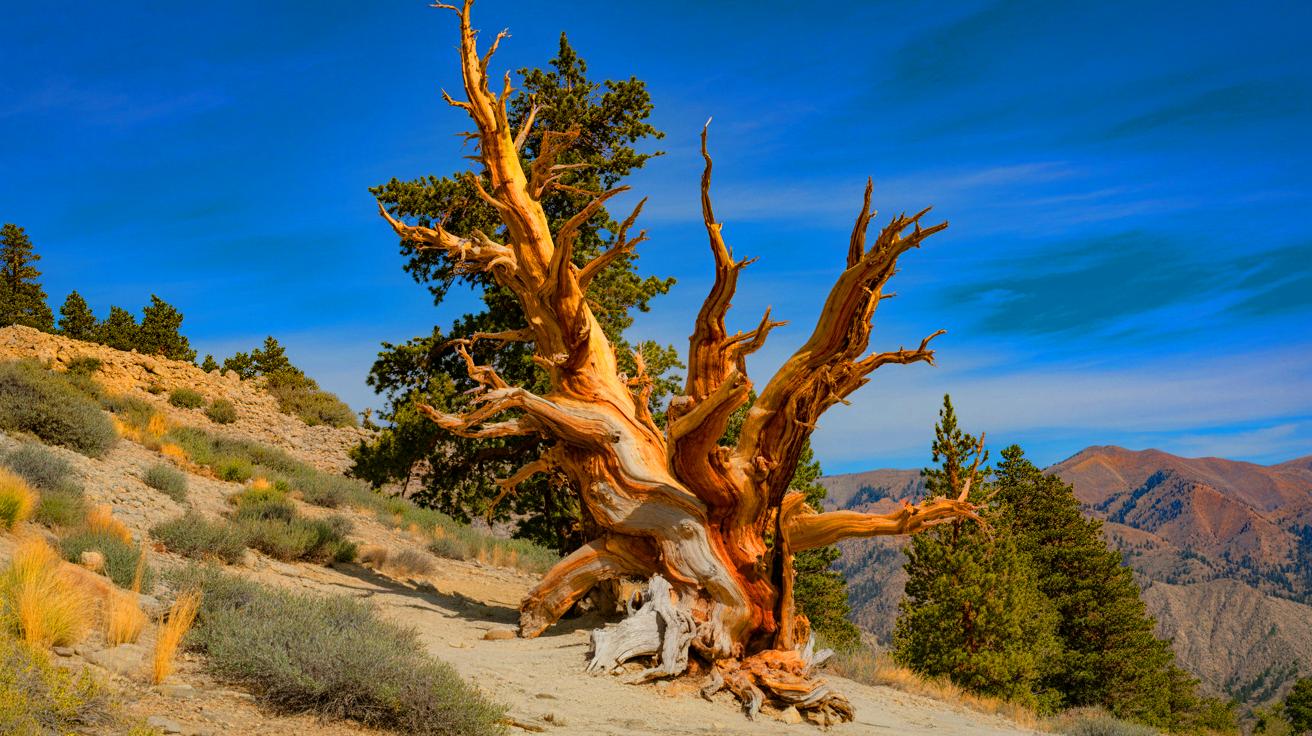
Prometheus, a bristlecone pine, had stood as a silent witness to millennia of history. Its unassuming presence belied its age, which was only discovered after it was too late. The decision to cut the tree was not made lightly, yet it was based on the need for research rather than malice. Currey’s drill had become lodged in the tree, prompting him to seek permission from the Forest Service to cut it down. He wanted to retrieve the tool and gain a comprehensive study of the tree rings.
The decision was made with the knowledge that bristlecone pines were old, but the extent of Prometheus’s age was unknown until after the felling. This incident unraveled a story that highlighted the delicate balance between scientific inquiry and environmental preservation. As the rings were counted, the realization of the tree’s age was profound, sparking a wave of reflection and regret.
Revelation of an Ancient Wonder
After the tree was cut down, Currey painstakingly counted the rings in his hotel room. His discovery was astonishing: Prometheus was almost 5,000 years old. This revelation was not just a testament to the tree’s longevity but also a reminder of nature’s resilience and intricacy. Bristlecone pines are known for their ability to thrive in harsh conditions, growing slowly and steadily over centuries.
The bristlecone’s modest size and twisted form often hide its true age, contrasting with the grandeur of larger trees like California’s redwoods. Yet, it is precisely this slow growth that allows them to withstand the test of time. The discovery of Prometheus’s age was both a scientific breakthrough and a sobering lesson in the consequences of human actions on ancient ecosystems.
Legacy and Conservation Efforts
Prometheus’s story has left an indelible mark on the scientific community and conservation practices. The unintended consequences of Currey’s research sparked a shift in how ancient organisms are perceived and preserved. The tragic end of Prometheus led to increased awareness and protection of bristlecone pines and other ancient trees.
Conservation strategies have evolved to ensure that such a mistake is not repeated. Federal lands now enforce stricter regulations to safeguard ancient trees, balancing the needs of scientific research with the imperative of preservation. The story of Prometheus serves as a cautionary tale, reminding us of the importance of respecting and protecting our natural heritage.
The Evolution of Dendrochronology
The field of dendrochronology, or the study of tree rings, has advanced significantly since the 1960s. Early methods were rudimentary and often inaccurate, leading to misjudgments about a tree’s age. Today, scientists employ refined techniques and cross-dating methods to establish more precise ages, emphasizing the importance of non-destructive research.
Bristlecone pines, with their remarkable ability to survive in extreme environments, contribute invaluable data to the study of climate history and ecological change. They are resilient yet vulnerable, as their destruction halts their potential to teach us more about the past. The legacy of Prometheus underscores the need for careful and respectful study of these ancient trees.
The tale of Prometheus, the nearly 5,000-year-old tree, continues to resonate as a pivotal moment in environmental history. It is a poignant reminder of the delicate interplay between human curiosity and the stewardship of natural wonders. As we reflect on this event, we are prompted to ask: How can we better balance scientific exploration with the preservation of our planet’s ancient treasures?